

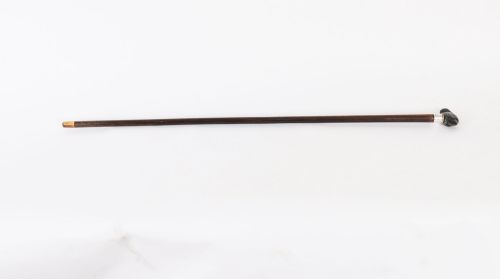
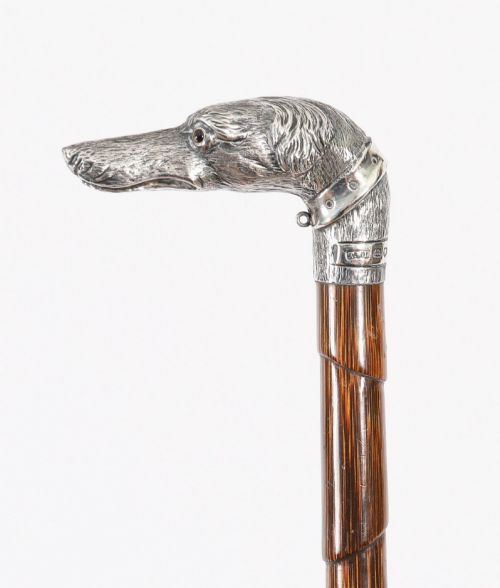
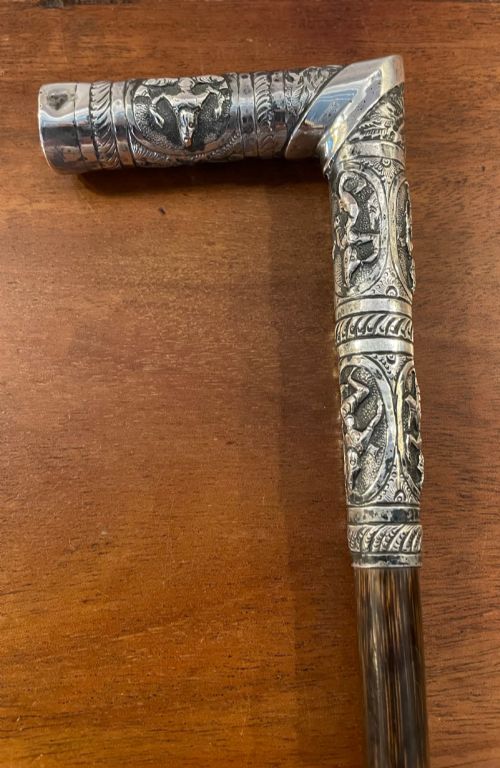
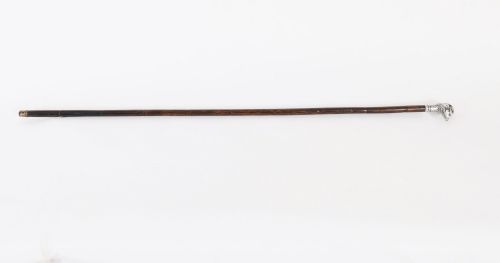
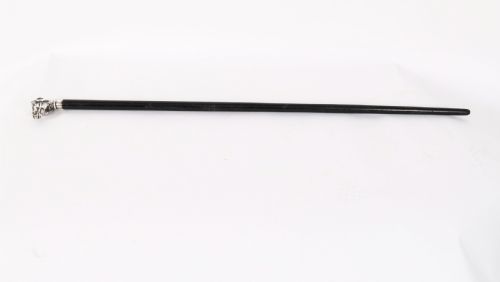


Silver Headed Cane
A silver headed cane is a functional walking companion topped with sculpted metal, offering both support and gentlemanly distinction.
Silver Headed Cane
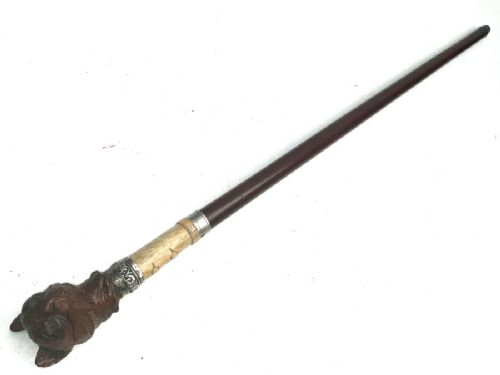
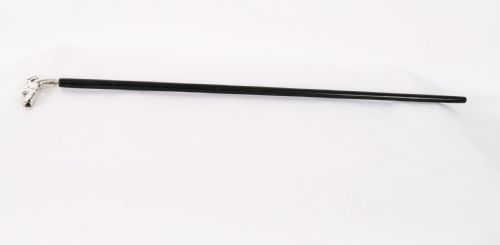
When you search for a silver headed cane, you are looking at walking sticks and parasol handles fashioned from wood and metal during the nineteenth and early twentieth centuries. These pieces encompass Victorian, Edwardian, and Art Deco designs ranging from simple polished tops to elaborate novelty animal handles.
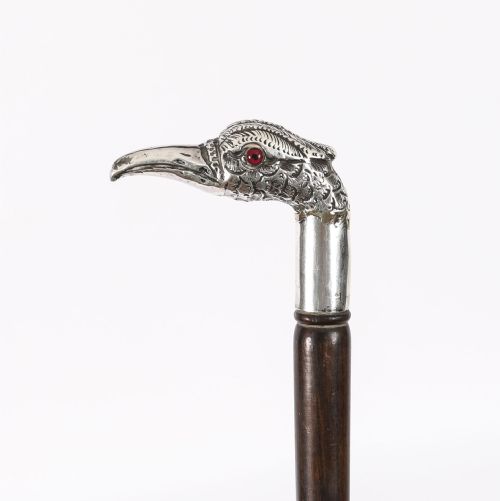
The versions most likely to meet you on this page include walking sticks and parasol handles originating from Britain, France, and Continental Europe. Many examples feature zoological grips shaped as greyhounds, ducks, parrots, horses, boars, and hares alongside military and golf-themed variants.
Makers and retailers such as Asprey produced items that served as social markers for gentlemen and ladies alike. Surviving specimens bridge practical ambulatory support and decorative artistry from the eighteen-hundreds onward.
How they were made
The construction of these pieces relies on combining silver, metal, or plated components with shafts of hardwood, ebonised wood, bamboo, and occasionally glass or horn. Smiths shaped the precious metal tops through casting and repoussé before securing them to sturdy wooden shafts.
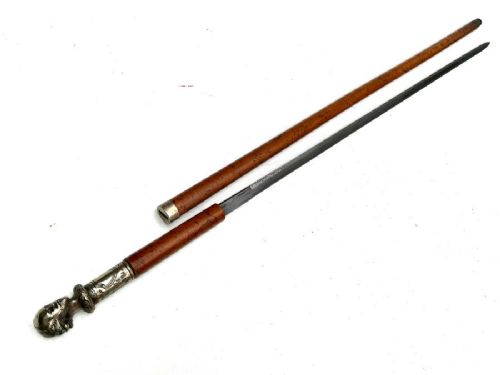
Specialised variations incorporate hidden steel blades for sword sticks or functional compartments suited to golf or leisure pursuits. Artisans shaped handles into distinct animal anatomies and neoclassical motifs, attaching them firmly to tapered wooden stems.
Silver Headed Cane Retail Price Guide 2026
Typical asking prices for silver headed cane among the pieces listed under this phrase on Sellingantiques today, from the lower quarter to the upper quarter. They describe what is for sale here now, not the wider market.
Listings feature woods such as ebonised wood, hardwood, and bamboo paired with silver, steel, glass, and horn.
What varies in quality
The choice of shaft material also dictates value, with dense hardwoods and patterned bamboo showing superior durability compared to standard woods. Provenance marked by retail signatures like Asprey elevates the standing of an individual piece.
Asprey
The Silver Headed Cane Glossary
- Silver headed cane
- A walking stick or parasol handle featuring a grip made of silver or silver-plate. These items date primarily from the nineteenth and early twentieth centuries.
- Novelty handle
- A walking stick grip fashioned into the likeness of an animal, bird, or recreational object such as a golf club. These designs were popular during the Victorian and Edwardian eras.
- Sword stick
- A cane containing a concealed steel blade within the wooden shaft. Military officers and gentlemen utilised these for protection.
- Parasol handle
- The decorative top section of a sunshade or umbrella, often formed from silver. These delicate pieces mirror the craftsmanship found on full-sized walking sticks.
- Ebonised wood
- Timber treated to imitate the dark appearance of ebony. Makers frequently used this material for the shafts of canes to contrast with bright silver tops.
Silver Headed Cane: Frequently Asked Questions
What is a silver headed cane?
A silver headed cane is a walking stick or parasol handle featuring a decorative metal grip mounted on a wooden shaft.
These accessories served as practical walking aids and indicators of social status during the nineteenth and early twentieth centuries.
How were sword sticks used?
Sword sticks functioned as standard walking aids while concealing a hidden steel blade within the shaft.
Military officers and civilian gentlemen carried them for personal defence during the Victorian and Edwardian periods.
How do I date a cane?
Dating relies on stylistic clues, historical hallmarks, and materials associated with periods like the Victorian era or Art Deco movement.
Specific animal motifs, clothing styles depicted in mounts, and retailer marks help narrow down the decade of manufacture.
Can I use an antique cane daily?
Antique canes can support daily walking if the shaft and silver mount remain structurally sound and securely joined.
Collectors often inspect the ferrule at the base and the connection between handle and shaft before regular use.