




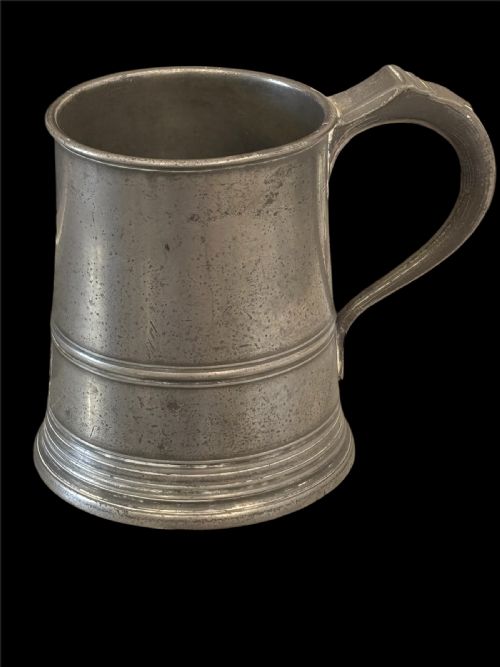


Silver Handled Mug
A silver handled mug offers a tangible link to centuries of craftsmanship, prized by collectors for domestic display and historical utility.
Silver Handled Mug
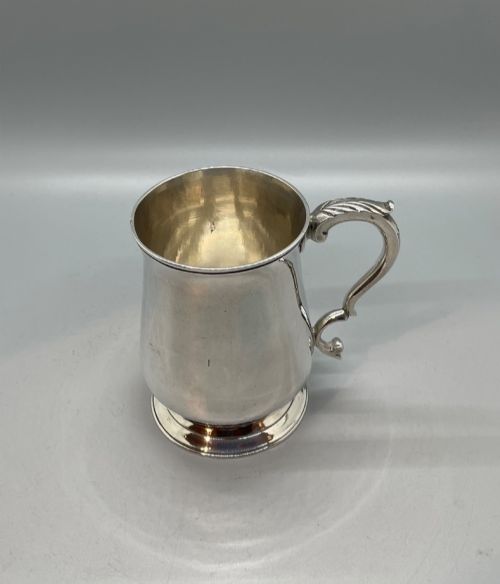
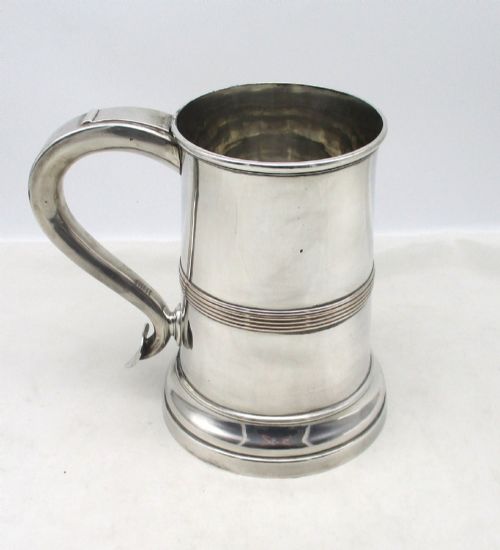
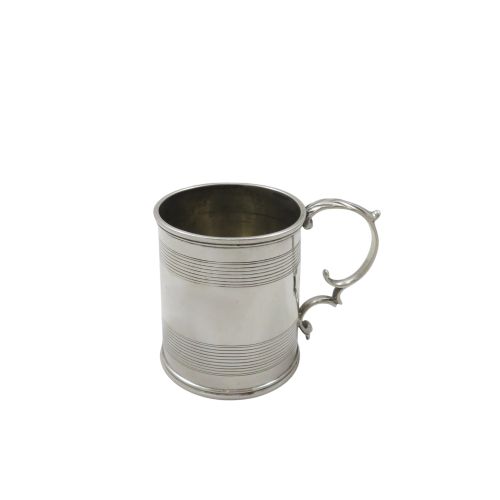
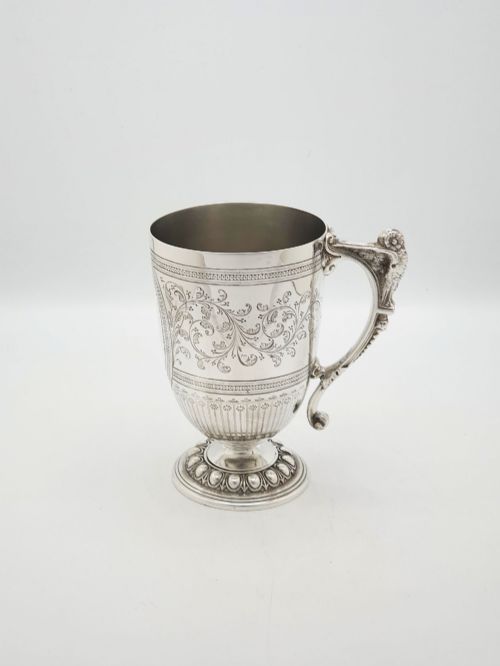
A silver handled mug encompasses a variety of drinking vessels, tankards, and loving cups recorded across multiple eras. These pieces serve functional and commemorative purposes, often functioning as christening gifts or celebratory vessels.
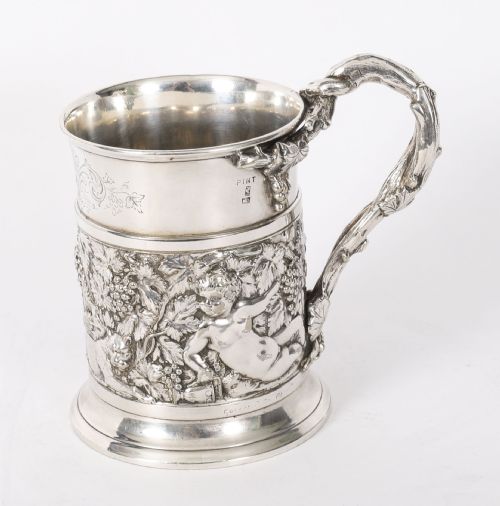
The versions most commonly met on this page span the Georgian, Victorian, and Edwardian periods, featuring sterling silver, silver plate, and stoneware bodies. Forms range from plain baluster mugs to ornate tygs with multiple handles and ceramic bodies fitted with metal mounts.
Mugs and tankards in this selection reflect shifts in domestic habits and design tastes from the eighteenth century into the twentieth. Buyers encounter both utilitarian tavern vessels and finely decorated presentation pieces bearing individual maker marks.
What varies in quality
The distinction between tiers rests upon the weight of the metal, the crispness of chased or embossed ornamentation, and the integrity of construction. Solid sterling silver vessels with heavy gauges hold a different standing compared to plated items or ceramic bodies with silver mounts.
Design execution and maker attribution elevate certain examples, particularly where handles show sculptural detail or engraving displays high proficiency. The clarity of assay office hallmarks and maker stamps adds documentary weight to the physical execution.
Silver Handled Mug Retail Price Guide 2026
Typical asking prices for silver handled mug among the pieces listed under this phrase on Sellingantiques today, from the lower quarter to the upper quarter. They describe what is for sale here now, not the wider market.
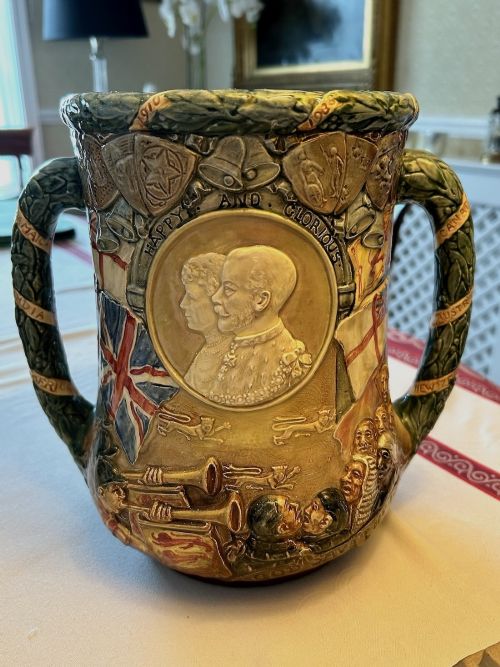
The selection includes commemorative pieces, such as a loving cup issued for the Silver Jubilee of King George V and Queen Mary in 1935.
G R Collis·George Ernest Hawkins
The Silver Handled Mug Glossary
- Tyg
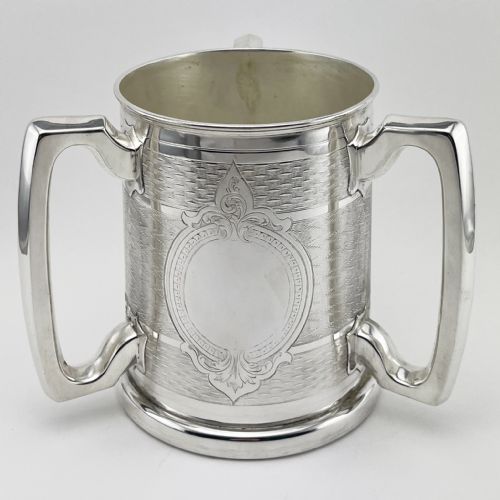
- A large drinking vessel featuring multiple handles, allowing it to be passed around a table among companions. These ceramic or metal pieces often date to the nineteenth century and earlier.
- Baluster
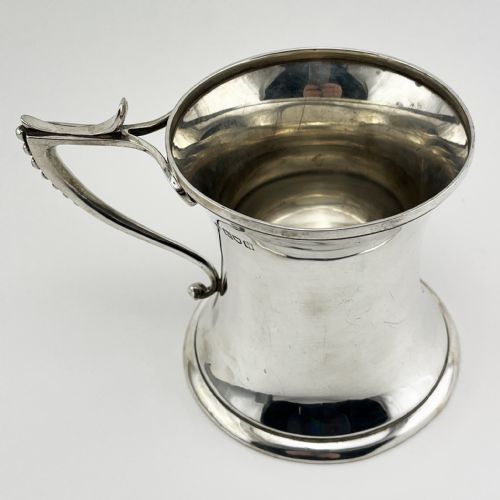
- A vertical architectural form with a swelling lower portion that tapers upward, frequently seen in the profile of Georgian mugs. This shape provides stability and a comfortable grip.
- Old Sheffield Plate
- An early form of composite metal created by fusing a thin sheet of silver to a thicker copper base. It is distinguished by the subtle show of copper beneath worn silver edges.
- Hallmark
- An official stamp applied by an assay office to precious metal items, indicating purity, origin city, and date of testing. These marks guide collectors in dating English silver with precision.
Silver Handled Mug: Frequently Asked Questions
What distinguishes a mug from a tankard?
A tankard traditionally refers to a larger drinking vessel, often fitted with a lid, intended for ale or beer in domestic or tavern settings. Mugs generally describe open-topped vessels used for smaller quantities of liquid.
In historical listings, these terms frequently overlap depending on the capacity and the presence of a handle or rim mount.
Why are many of these engraved with names?
Many silver mugs were commissioned as presentation pieces or christening gifts to mark significant family milestones. Inscriptions record births, christenings, and anniversaries for the original recipient.
These personal touches provide a direct provenance that connects the object to a specific historical household.
How do I identify a Georgian piece?
Georgian pieces carry assay office marks, maker punches, and duty marks that correspond to the reigns of the Kings George spanning the eighteenth and early nineteenth centuries. The stylistic vocabulary leans toward classic proportions, plain baluster forms, and restrained engraving.
Examining the underside and handle joints often reveals the hand-wrought construction methods characteristic of the period.
Can I use these vessels for drinking?
Many solid silver and ceramic pieces remain structurally sound for contemporary use, though collectors often restrict them to display due to their age and historical value. Silver plated items require care to preserve the underlying metal plating.
Careful hand washing without harsh abrasives is recommended if used for beverages.