



Silver Hall Pendant
A silver hall pendant provides a striking overhead focus in an entryway, combining historic metalwork with clear glass to light a hallway.
Silver Hall Pendant
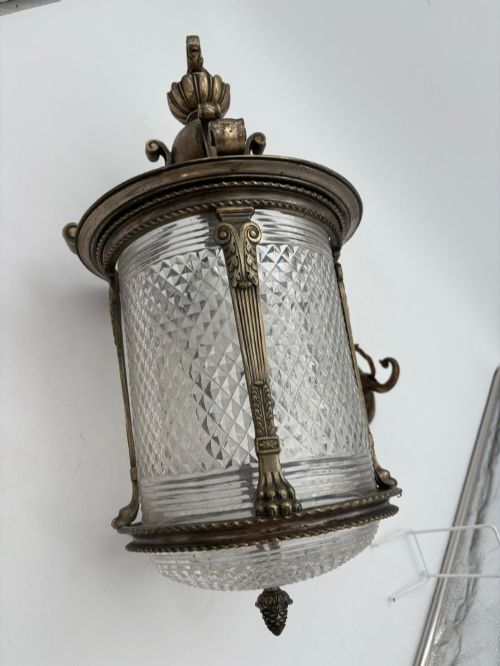
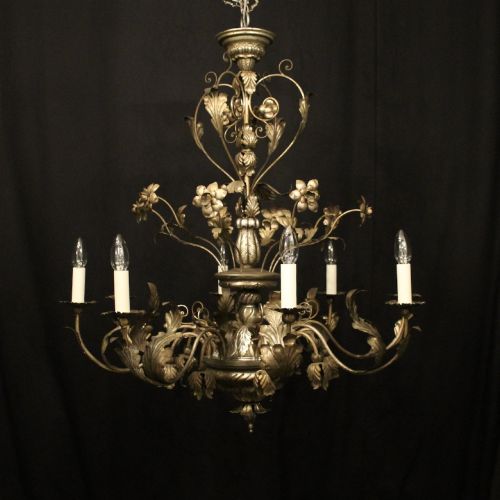
A silver hall pendant brings together hanging lantern forms, pendant lights, and chandeliers intended for entrance spaces and corridors. These overhead fittings originate from periods spanning the nineteenth century through to nineteen thirty.
You will most frequently meet French and Italian lantern forms on this page, often built with multiple lights and robust frames. English Edwardian glass pendant lights also appear, offering simpler lines alongside the ornate continental designs.
The styles range across French Rococo, Gothic Revival, Neoclassical, and Edwardian tastes, showing how makers adapted historical motifs for domestic halls. Each piece functions primarily as a ceiling-hung light source designed to make an impression upon entering a home.
How they were made
Makers built these pieces using structural metals like steel, brass, and wrought iron to form the cage or chassis of the lantern. Gilded bronze and silvered metal finishes were frequently applied to the metalwork to create a reflective, lustrous surface.
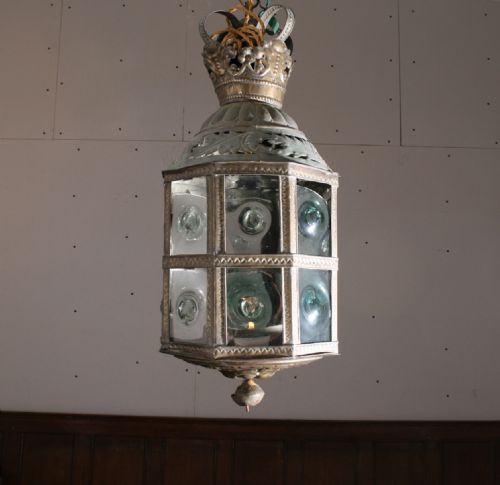
Glazing involved hand-blown bullseye glass and cut glass panels fitted securely into the metal frames. Artisans combined these materials to balance structural durability with the refraction of internal candle or electric light.
Silver Hall Pendant Retail Price Guide 2026
Typical asking prices for silver hall pendant among the pieces listed under this phrase on Sellingantiques today, from the lower quarter to the upper quarter. They describe what is for sale here now, not the wider market.
What varies in quality
Quality rests in the depth and hand-finishing of the metalwork, distinguishing heavily cast bronze and chased brass from simpler steel fabrication. The weight and scale of the piece, particularly in oversized or multi-light examples, also dictate the standard of execution.
The glass elements create another distinction, with hand-blown bullseye panes and deeply cut glass showing greater artisanal input than standard flat panes. Cohesion of style, whether following Italian Rococo or French Neoclassical lines, marks the more ambitious commissions.
The Silver Hall Pendant Glossary
- Hall lantern
- An enclosed hanging light fixture designed specifically for entrance halls and corridors. These fixtures usually feature glass panels held within a metal frame.
- Gilded bronze
- Bronze metal coated with a thin layer of gold leaf or gilt wash. This technique adds a warm, metallic sheen to the decorative mounts.
- Bullseye glass
- Glass blown with a circular distortion or central knot, often left from the pontil mark. It adds texture and distorts light playfully within lantern panels.
- Cut glass
- Glass decorated by grinding facets or patterns into the surface using a wheel. This process enhances the sparkle of pendant lighting.
Silver Hall Pendant: Frequently Asked Questions
Where should I hang a hall pendant?
These fixtures work best suspended in entrance halls, corridors, or stairwells where they provide both illumination and a strong decorative statement. Ensure there is adequate clearance beneath the fitting for people to pass comfortably.
Because they hang from ceilings, consider the ceiling height and scale of your room to choose a single light or a larger multi-bulb lantern.
How do I identify the period of a pendant?
Dating relies on observing the combination of materials, construction methods, and stylistic cues present in the metalwork and glass. Edwardian pieces often show cleaner glass forms, while earlier nineteenth-century examples might employ heavier iron or elaborate cast bronze.
Stylistic markers like French Rococo curves or Neoclassical symmetry help narrow down the decade of production.
Are these pendants electrified?
Many historic hanging lanterns and pendant lights have been adapted over time to take modern electrical wiring for domestic use. You should check the internal fitting of each specific piece to understand its current setup.
A qualified electrician can assist with safely installing and adapting antique overhead light fixtures.
What maintenance do silvered metal surfaces need?
Silvered and gilded metal surfaces require gentle dusting with a soft, dry cloth to prevent the accumulation of grime. Avoid using harsh chemical polishes that can strip away historic gilt or silvered finishes.
Keeping the glass panels clean with a mild glass cleaner will maintain the clarity and brilliance of the light output.