






Silver Gilt Wood Frame
A silver gilt wood frame brings layered metallic warmth and carved depth to a wall, bridging the gap between silver and gold.
Silver Gilt Wood Frame
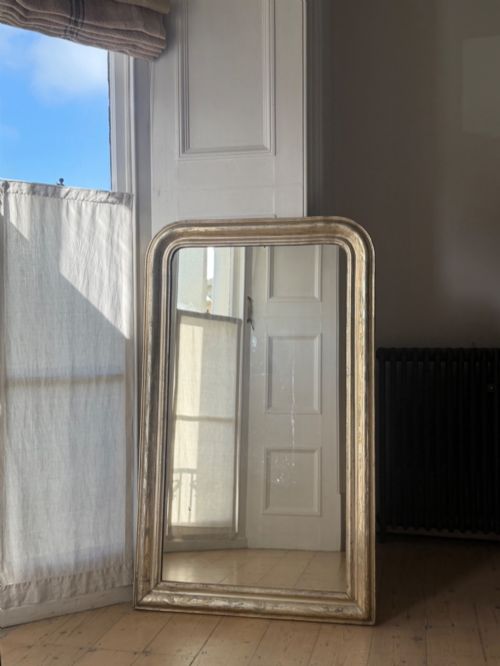
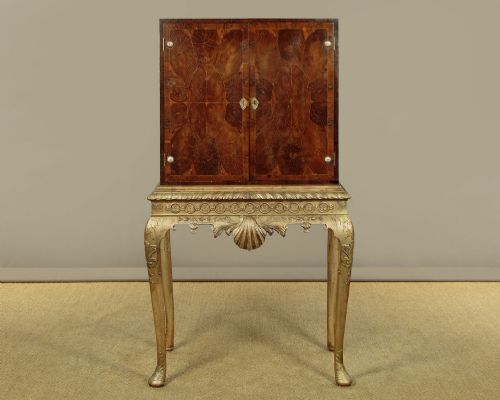
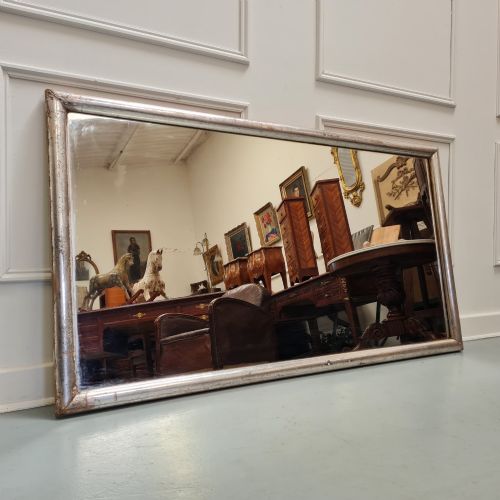
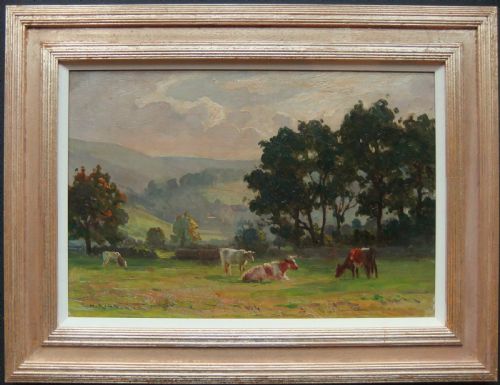
A silver gilt wood frame encompasses wall mirrors, overmantel mirrors, picture frames, cabinets on stand, and oil paintings originating from the seventeenth century through to the twentieth century. These objects combine wooden structures with metallic leaf finishes, offering both functional reflection and decorative framing for artwork.
Buyers seeking a silver gilt wood frame will frequently encounter nineteenth-century French and Italian pieces, alongside distinctive twentieth-century examples such as marquetry wall mirrors. The selection spans styles from Italian Baroque and Rococo Revival to Victorian and Queen Anne Revival forms.
Makers and workshops utilised varied approaches, ranging from simple nineteenth-century designs to elaborate carved wall mirrors featuring shaped tops. This variety allows collectors to source items suitable for both grand interior settings and more restrained domestic spaces.
Materials and construction methods
The foundation of these pieces relies on carved wood and walnut, providing a stable structural base for subsequent surface decoration. Artisans applied layers of gesso onto the wooden substrate to create a smooth preparation for the metallic leaf.
Surfaces were finished using silver leaf, gold leaf, and silvered treatments to achieve the characteristic dual-tone metallic sheen. Many older examples incorporate traditional mercury glass within the mirror plates, reflecting the specific techniques of their period.
Silver Gilt Wood Frame Retail Price Guide 2026
Typical asking prices for silver gilt wood frame among the pieces listed under this phrase on Sellingantiques today, from the lower quarter to the upper quarter. They describe what is for sale here now, not the wider market.
The documented object types include wall mirrors, cabinets on stand, oil paintings, and overmantel mirrors with Italian and French design influences.
Quality factors in silver gilt items
The refinement of the carved wood work dictates the visual success of the piece, separating deep, articulate detailing from flat or mechanical moulding. The execution of the gesso layer beneath the metallic leaf determines how crisply the decorative motifs read.
The handling of the silver and gold leaf application creates distinct visual depth, where skilled layering produces subtle play between the two tones rather than a flat, uniform metallic coat. Original components, such as early mirror glass and period stands, preserve the integrity of the object.
A.J Rowley·Ernest Higgins Rigg
The Silver Gilt Wood Frame Glossary
- Silver gilt
- Wood or gesso covered with thin leaves of silver, often warmed with a gold wash or paired with gold leaf to create a nuanced metallic surface.
- Gesso
- A mixture of plaster of Paris or chalk with glue, applied to wood as a smooth base for gilding and relief ornamentation.
- Mercury glass
- Double-walled glass blown into a mould and silvered with a liquid mercury amalgam between the glass layers, used in nineteenth-century mirrors.
- Overmantel mirror
- A large mirror designed specifically to be hung on the wall directly above a fireplace mantelpiece.
- Marquetry
- The art and craft of applying pieces of veneer to a structure to form decorative patterns, seen on twentieth-century wall mirror panels.
Silver Gilt Wood Frame: Frequently Asked Questions
How do I date an old silver gilt wood frame?
Dating relies on observing the underlying construction of the wood, the style of the carving, and the composition of the gesso. Regional characteristics from Italian Baroque or French nineteenth-century periods also offer clear chronological markers.
Examination of secondary elements, such as the type of mirror glass or backboards, helps confirm the era of manufacture and distinguishes original antique pieces from later revivals.
Where should I hang an overmantel mirror?
An overmantel mirror finds its traditional placement directly above a fireplace mantelpiece, where its scale reflects light and anchors the room's proportions. These large pieces also function effectively on principal walls in reception rooms.
Ensure the wall construction supports the considerable weight of carved wood and glass assemblies by using appropriate fixings suited to the specific frame.
How do I clean a silver gilt surface?
Dusting should be performed gently with a soft, dry brush to prevent disturbing the delicate metallic leaf and gesso layers. Moisture and chemical cleaning agents must be avoided entirely to protect the historic finish.
Professional conservation advice should be sought if the surface requires deeper cleaning or shows signs of flaking and instability.
What is the difference between silvered and silver gilt?
Silvered surfaces utilise silver leaf or chemical silvering processes to achieve a bright, uniform silvery appearance across the wooden frame. Silver gilt incorporates both silver and gold leaf elements, resulting in a warmer, more complex metallic tone.
This combination of metal types creates subtle tonal shifts under changing light conditions, characteristic of many Italian and French antique frames.