

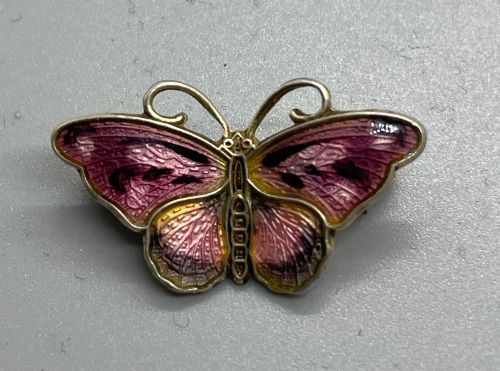


Silver Gilt Enamel Pin
A silver gilt enamel pin brings together precious metal and vibrant glass colour in wearable miniature works of art.
Silver Gilt Enamel Pin
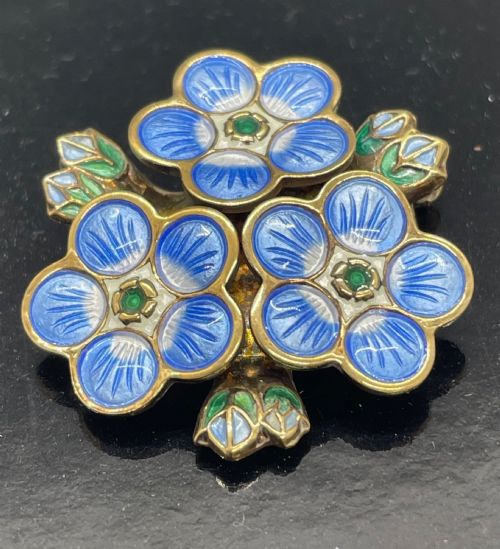
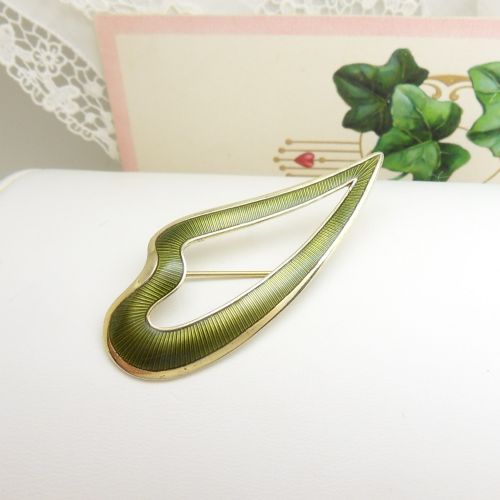
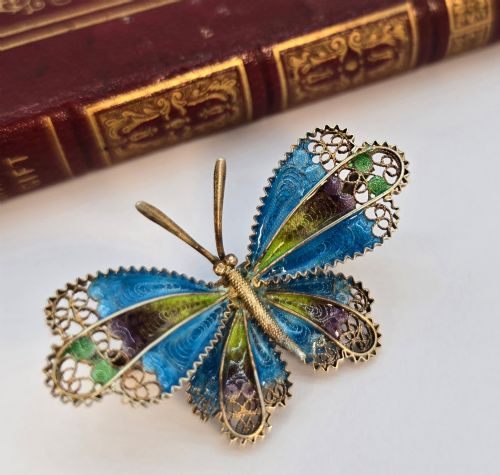
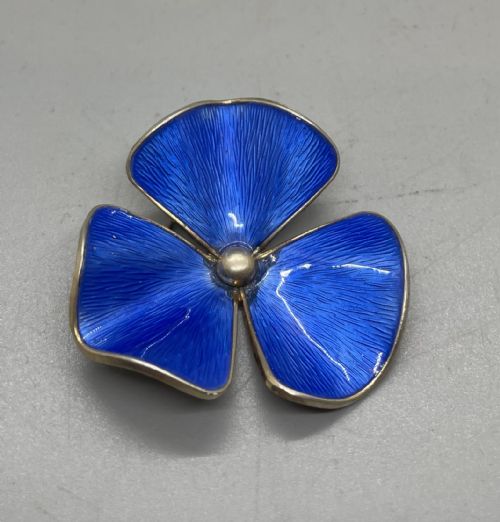
The versions most commonly met on this page span several distinctive stylistic eras, including Art Deco geometric patterns, Art Nouveau floral designs, and mid-century Scandinavian modern motifs. Makers from Norway and Austro-Hungary frequently appear, alongside Victorian and Edwardian examples featuring subjects like butterflies, birds, and Viking ships.
These pieces function primarily as dress accessories, designed to fasten clothing while providing a concentrated splash of colour. They range from tiny, understated motifs to elaborate floral fairy scenes embellished with pearls.
How they were made
The foundation of each piece is sterling silver or 925 silver, which undergoes a gilding process to coat the surface in gold vermeil or gold gilt. This base metal is then shaped into forms such as birds, butterflies, or abstract geometric arrangements.
Enamel work is applied to the metal framework, utilising techniques like guilloche, where engine-turned patterns shine beneath translucent coloured glass, and plique-a-jour, which creates a stained-glass effect without a solid backing. Fused glass powders are kiln-fired at high temperatures to bond permanently with the gilded silver substrate, sometimes accented with set pearls.
Silver Gilt Enamel Pin Retail Price Guide 2026
Typical asking prices for silver gilt enamel pin among the pieces listed under this phrase on Sellingantiques today, from the lower quarter to the upper quarter. They describe what is for sale here now, not the wider market.
Materials recorded across the inventory include sterling silver, gold vermeil, vitreous enamel, pearls, and glass set into various brooch forms.
What varies in quality
The standard of execution in the enamelling distinguishes finer examples from simpler work, particularly the evenness of the glass fusion and the complexity of the underlying guilloche engine-turning. Translucent enamels that catch the light to reveal precise geometric patterns beneath require superior craftsmanship compared to opaque, flat colour fillings.
The finesse of the metalwork itself also dictates the tier of the piece, seen in the delicacy of the silver gilt wirework and the secure integration of stones like pearls. Named makers and distinct stylistic periods often correlate with higher levels of hand-finished detail in the casting and engraving.
Aksel Holmsen·David Andersen·Gustav Gaudernack·Meyle & Mayer
The Silver Gilt Enamel Pin Glossary
- Silver Gilt
- Silver that has been coated with a thin layer of gold, also referred to as vermeil or gold gilt. This treatment provides the warm colour of gold while utilising a solid silver base.
- Enamel
- A glassy substance fused to the surface of metal through high-temperature firing for decoration and protection. It can be translucent, opaque, or plique-a-jour.
- Guilloche
- A decorative engraving technique where a precise, intricate pattern is mechanically etched into metal before enamel is applied. Translucent enamel over this work creates a shimmering, dimensional effect.
- Plique-a-jour
- An enamelling technique resembling miniature stained glass, where the enamel is fired in open cells without a backing metal, allowing light to shine directly through the glass.
- Vermeil
- Sterling silver that has been plated with gold. The term denotes a specific combination of precious metals often found in finer antique and vintage brooches.
Silver Gilt Enamel Pin: Frequently Asked Questions
How do I care for a silver gilt enamel pin?
Store your pin in a soft pouch away from direct sunlight and other jewellery to prevent scratching the glass surface. Clean it gently with a dry microfibre cloth, avoiding harsh chemical dips that can damage the gilt layer or the enamel.
Because the glass and gilt are delicate, remove the brooch before participating in physical activities or applying perfumes and hairsprays. Proper handling ensures the vibrant colours and gold wash remain intact for years to come.
How can I tell a vintage piece from an antique?
Dating these brooches involves examining the stylistic markers, metal purity hallmarks, and the specific enamelling techniques used by different periods. Victorian and Edwardian examples often feature more ornate, revivalist motifs, while mid-century Scandinavian pieces lean towards clean lines and guilloche patterns.
Maker marks and country stamps on the reverse provide definitive clues to the era of origin. Comparing the construction methods to documented workshop styles helps narrow down the decade of production.
What is the difference between silver gilt and sterling silver?
Sterling silver consists of solid silver alloyed for durability, showing a bright white metallic colour. Silver gilt is that same sterling silver with an additional surface layer of gold applied over it.
This gold wash gives the metal a warm, yellow hue while retaining the underlying strength and weight of silver. Over time, the gilt may wear thin in high-touch areas, revealing the white silver beneath.
How were these pins worn historically?
These pieces served as functional fasteners and decorative ornaments on lapels, collars, hats, and scarves. Victorians and Edwardians used them to pin heavy fabrics, lace collars, or sashes in place during formal dress.
Mid-century wearers often pinned them symmetrically to tailored jackets, cardigans, or knitwear as a focal point of an outfit. Their versatile size made them suitable for daily accessorising across various layers of clothing.