

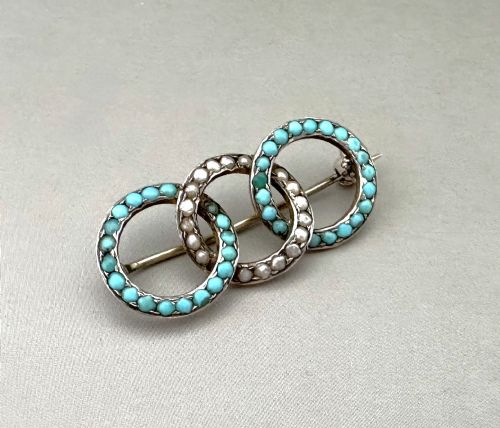


Silver Gemstone Ring
When you handle a silver gemstone ring, you hold centuries of jewellery history in a single band.
Silver Gemstone Ring
A silver gemstone ring spans a remarkable timeline from the 16th century through the Georgian, Victorian, Edwardian, Art Deco, and Mid-Century Modern eras. These pieces appear in forms ranging from everyday bands to dramatic cocktail designs, incorporating distinct regional styles like Arts and Crafts and Artisan or Boho.
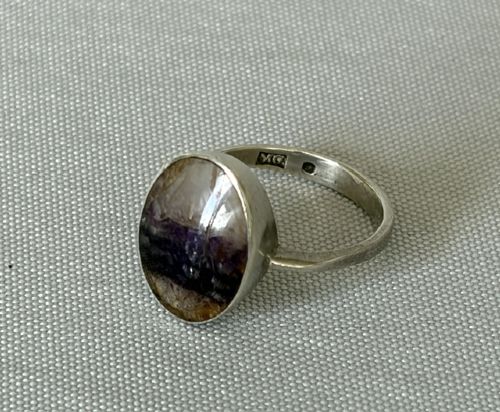
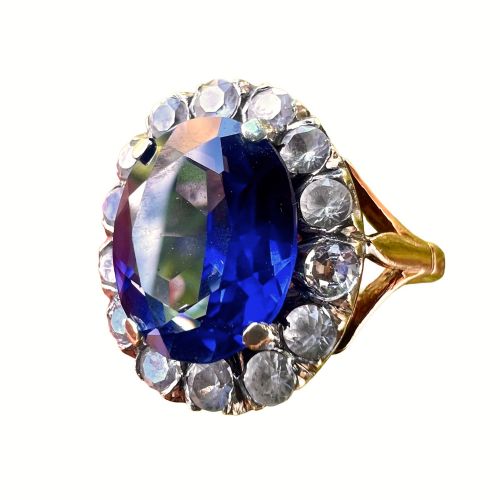
The most common examples you will encounter combine silver with stones such as moonstone, citrine, emerald, diamond, and blue john fluorite. Settings vary from simple bezels on cabochon moonstones to complex halo and cluster arrangements framing rose-cut diamonds and rubies.
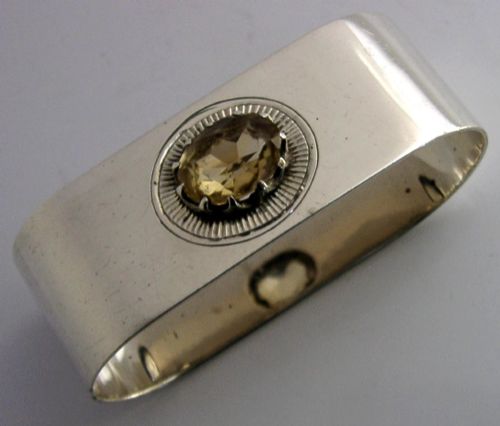
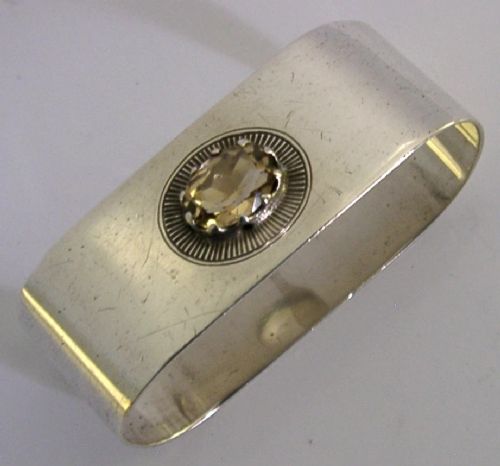
Beyond standard finger rings, the broader category occasionally touches upon related items like napkin rings, though wearable jewellery remains the central focus for collectors. Each piece reflects the aesthetic priorities of its specific period, whether that is Georgian opulence or mid-century simplicity.
Materials and construction methods
Metalsmiths typically relied on sterling silver or silver gilt, frequently paired with gold in multi-tone compositions. Stones like moonstone, citrine, and coral were shaped into cabochons or faceted to catch the light within bespoke metal housings.
Construction techniques evolved significantly across the periods represented, moving from early hand-forged settings to structured Edwardian halo mounts and geometric Art Deco frameworks. Master jewellers balanced the softer properties of silver with durable gemstone choices to ensure longevity.
Listings incorporate sterling silver alongside gold, platinum, and silver gilt.
Evaluating craftsmanship and stones
Quality rests upon the harmony between the gemstone's natural character and the precision of the silver setting. Superior examples demonstrate secure stone retention and clean metalwork that enhances rather than overpowers the mineral.
The choice of material also dictates distinction, as natural untreated stones and rarer minerals like blue john fluorite elevate a piece above standard production. The integrity of the band and the finesse of any secondary decorative elements complete the assessment.
The Silver Gemstone Ring Glossary
- Cabochon
- A gemstone shaped and polished with a smooth, convex surface rather than faceted. This cut is particularly favoured for moonstones and opals.
- Halo ring
- A style featuring a central gemstone encircled by a ring of smaller accent stones, typically diamonds. This arrangement maximises visual impact.
- Rose-cut
- An antique diamond cut featuring a flat base and a domed crown composed of triangular facets. It produces a soft, understated gleam.
- Silver gilt
- Silver that has been coated with a thin layer of gold. This technique combines the lustre of gold with a silver base.
Silver Gemstone Ring: Frequently Asked Questions
What periods do these rings come from?
The selection encompasses pieces dating from the 16th century, through the Georgian, Victorian, and Edwardian eras, up to the Art Deco and Mid-Century Modern periods.
Each era contributes distinct design characteristics, from early rose-cut diamond settings to mid-century blue john fluorite arrangements.
Are these rings made of solid silver?
Many pieces utilise sterling silver or silver gilt, while others combine silver with gold elements in traditional multi-metal settings.
Makers often paired silver with contrasting gold to highlight specific gemstone clusters and structural details.
What gemstones are commonly found in them?
Common stones include moonstone, citrine, emerald, diamond, ruby, sapphire, coral, turquoise, and blue john fluorite.
Both faceted stones and smooth cabochons appear across the different historical periods.
How do I care for an antique silver ring?
Store your ring safely away from moisture and harsh chemicals, and clean the silver gently with a soft cloth designed for precious metals.
Avoid submerging delicate stones like moonstone or coral in liquid cleaning solutions.
How can I tell the age of a ring?
Dating relies on stylistic markers such as setting techniques, metal combinations, and the specific cut of the gemstones.
Georgian and Victorian pieces display distinct hand-worked characteristics that differ from later Edwardian or mid-century designs.