



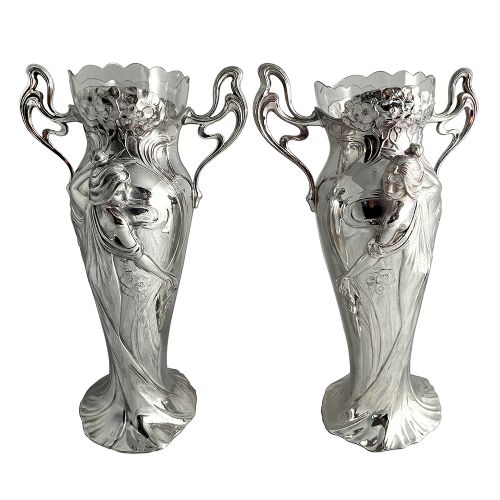


Silver Floral Vase
A silver floral vase brings botanical motifs and precious metal together, offering a decorative vessel for blooms that commands attention in any room.
Silver Floral Vase
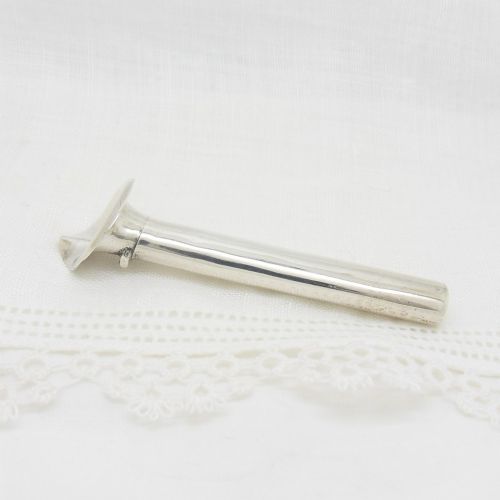
A silver floral vase encompasses various forms shaped by natural subjects, ranging from trumpet-shaped vessels with pierced floral petal rims to baluster profiles decorated with botanical engraving. Buyers seeking a silver floral vase encounter examples produced across different eras, including Victorian, Edwardian, and Meiji period works.
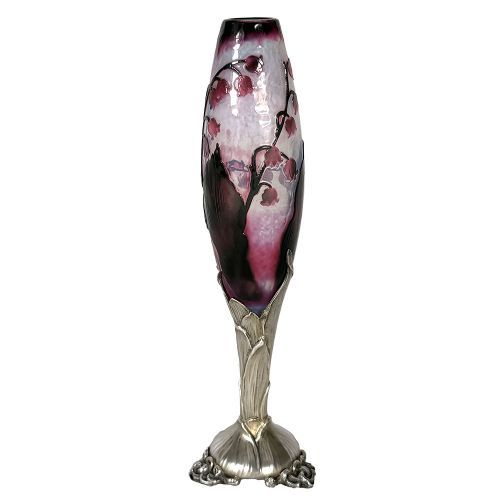
Makers utilised diverse materials to capture floral themes, combining sterling silver, silver plate, and pewter with cobalt glass, iridescent glass, and vibrant enamel. These vessels appear alongside depictions in oil painting media, showing still life compositions of lilies and roses displayed within such containers.
Materials and methods
Craftsmen shaped solid sterling silver and silver plate through casting, piercing, and repoussé techniques to create scrollwork and floral mounts. Glass components received silver overlay, silvered treatments, or intricate wire cloisonné work featuring red enamel and basse-taille effects.
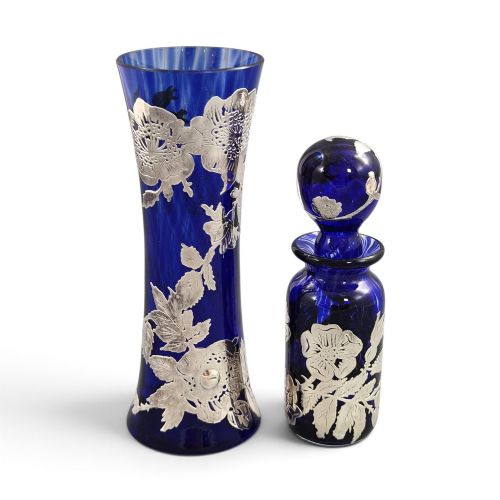
Workshops applied metal overlays directly onto cobalt blue glass and pewter substrates, while Japanese artisans employed silver wire on cloisonne enamel surfaces to delineate birds and flowers.
Silver Floral Vase Retail Price Guide 2026
Typical asking prices for silver floral vase among the pieces listed under this phrase on Sellingantiques today, from the lower quarter to the upper quarter. They describe what is for sale here now, not the wider market.
Some vases are rendered in oil paint on canvas, immortalising white lilies and yellow roses alongside the silver vessel.
Assessing quality and execution
The standard of a silver floral vase depends upon the precision of the metalwork, whether manifested in cast floral mounts, pierced rims, or applied overlay. Fine examples display sharp definition in chased foliage and secure integration between glass bodies and metal elements.
Artisanal execution distinguishes exceptional pieces, particularly in the complexity of enamel work, such as ginbari red backgrounds and detailed wire cloisonne, or the fluidity of Art Nouveau pewter and glass figural forms.
Johann Loetz·Loetz Witwe·Hodsoll Collection·Ando Jubei·Robin MacKertich·WMF
The Silver Floral Vase Glossary
- Baluster
- A tall vase form characterised by a bulbous lower portion tapering toward a narrow neck. This shape provides a stable base for substantial metal and glass vessels.
- Cloisonne
- A decorative technique where thin metal wires are applied to a surface to create compartments, which are then filled with enamel. Japanese examples frequently utilise this method to depict birds and flowers.
- Overlay
- A technique where a layer of silver or pewter is applied over a glass or ceramic body. This creates a striking contrast between the precious metal and the coloured glass beneath.
- Piercing
- The process of cutting openings through metal to form patterns such as scrollwork or floral petal shapes. It reduces weight while adding decorative openwork to rims and mounts.
- Basse-taille
- An enamelling technique where the metal ground is engraved or chased with a low-relief design, then covered with translucent enamel. This allows light to reflect through the coloured glass surface.
Silver Floral Vase: Frequently Asked Questions
What periods do these silver floral vases come from?
The pieces span from the nineteenth century through the Edwardian era and into the mid-to-late twentieth century. Key periods represented include the Victorian era, the Meiji period, and the Art Nouveau movement.
Production methods and stylistic choices shifted across these decades, moving from ornate cast floral mounts to sleek studio glass and mid-century interpretations.
How were glass and silver combined on these vases?
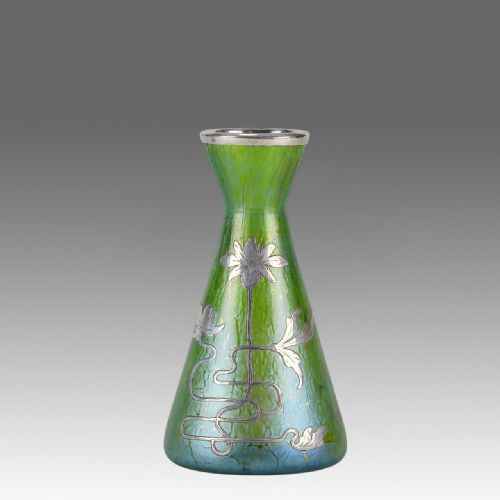
Artisans applied silver and pewter overlay directly onto glass bodies, creating botanical patterns that wrap around the vessel. Other techniques involved silvered glass treatments and pairing sterling silver mounts with cobalt or iridescent glass.
This combination allowed makers to utilise the reflective qualities of both glass and precious metal to highlight floral and organic motifs.
What materials are typically found in these pieces?
Materials include sterling silver, silver plate, pewter, and various metals combined with glass and enamel. Coloured glass bodies often feature cobalt blue or iridescent finishes.
Enamel work appears on Japanese cloisonne pieces, while other examples incorporate oil paint on canvas depicting the vases themselves in still life scenes.
How do I care for a silver floral vase?
Preserving the metal components requires gentle cleaning suitable for silver or pewter without abrasive polishes that might damage delicate overlays or enamel surfaces. Glass sections benefit from warm water and mild soap.
Displaying the pieces away from direct sunlight and excessive moisture protects both the enamel colours and the integrity of the combined materials.