


Silver Engraving Tray
A silver engraving tray brings polished surface and chased decoration together for service, display, and daily use.
Silver Engraving Tray
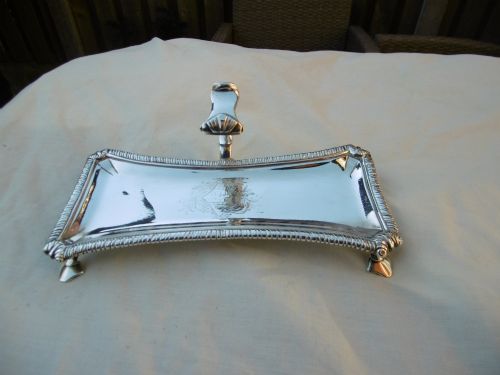
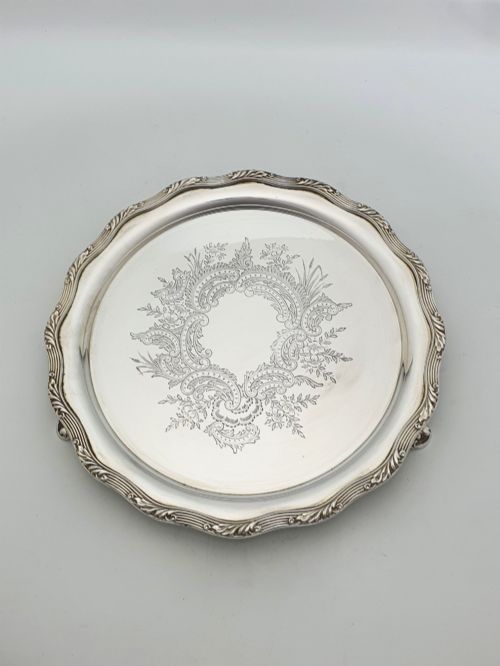
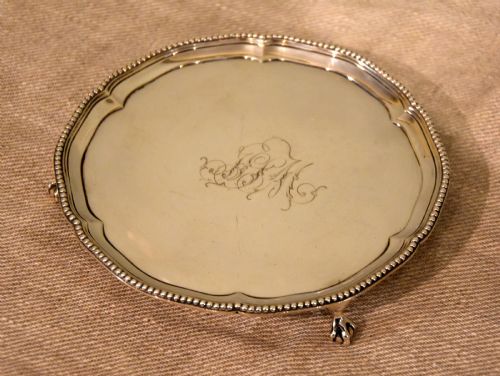
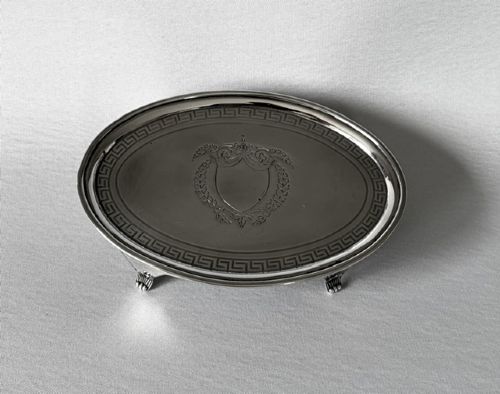
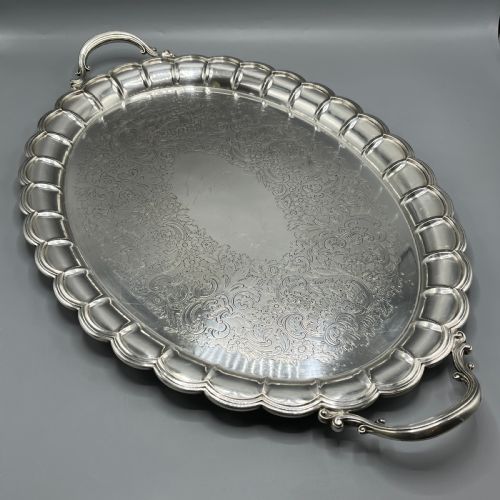
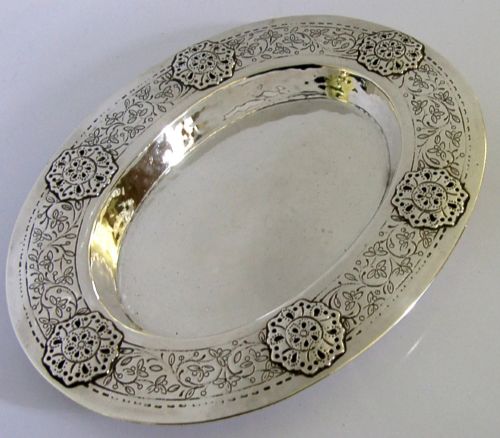
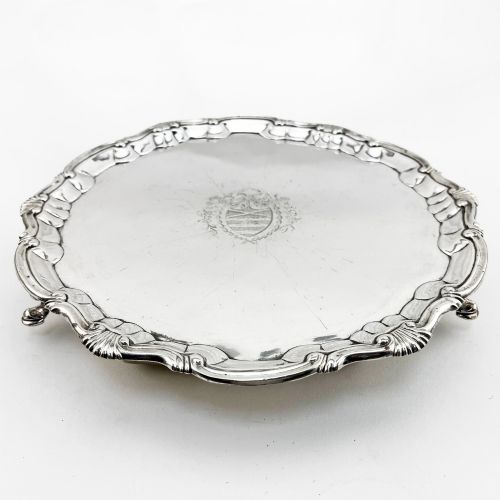
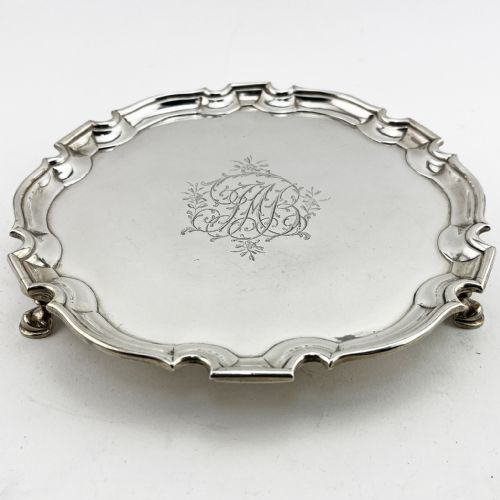
A silver engraving tray gathers flat forms under names like salver, platter, charger, and card tray, often ornamented with chased or hand-cut surface patterns. These pieces appear across Georgian, Victorian, Edwardian, and later periods in varied circular, oval, and scalloped shapes.
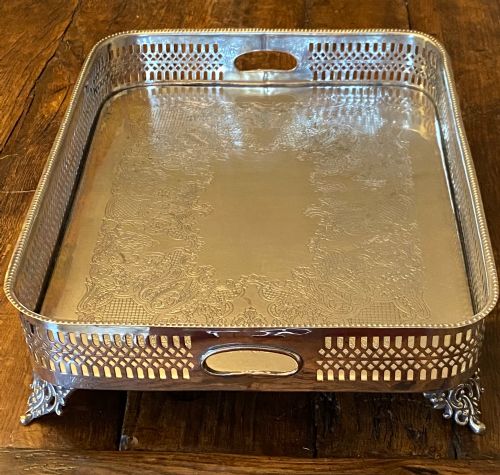
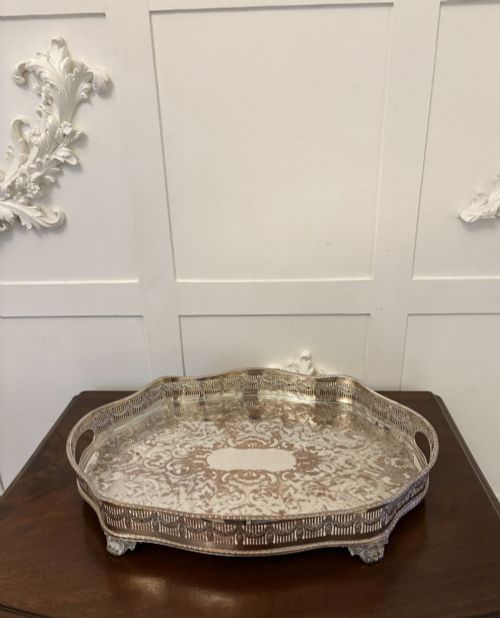
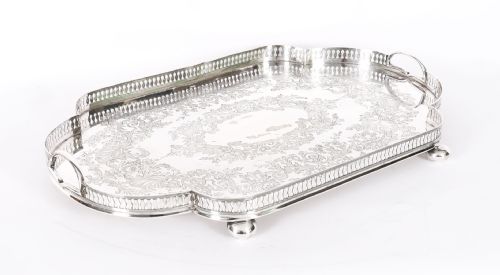
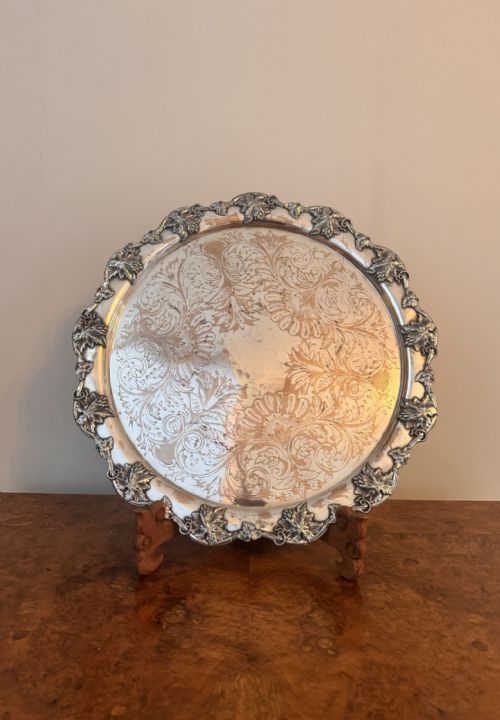
The version most commonly met on this page is the silver plated serving tray or salver from the nineteenth or early twentieth century. Many carry elaborate floral or foliate engraving across the central field, bordered by shaped rims, galleries, or grapevine motifs.
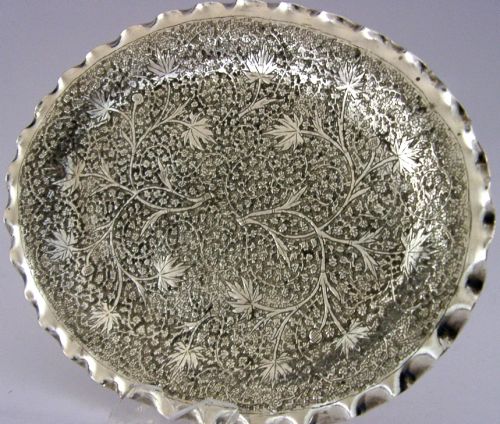
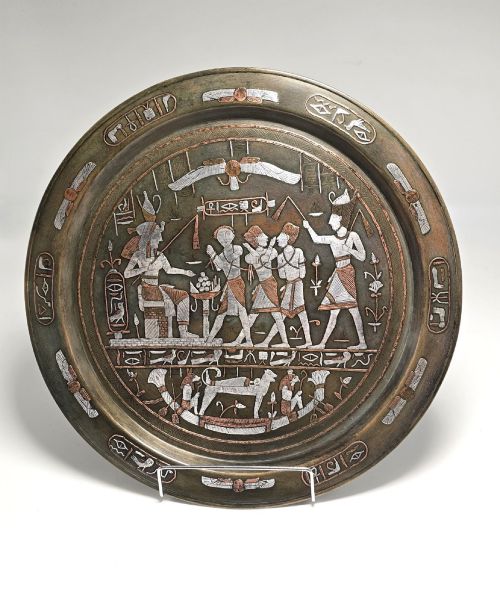
Beyond standard British domestic tableware, the selection includes imported and regional work such as Anglo-Indian solid silver dishes and Middle Eastern copper pieces. Smaller card trays and teapot stands also fall into this category, serving specific functions in historic domestic interiors.
Materials and construction
Makers utilised solid sterling silver alongside base metals covered with silver plate, Old Sheffield plate, or electroplated nickel silver. Copper provides the substrate for patinated Middle Eastern vessels and earlier plated items.
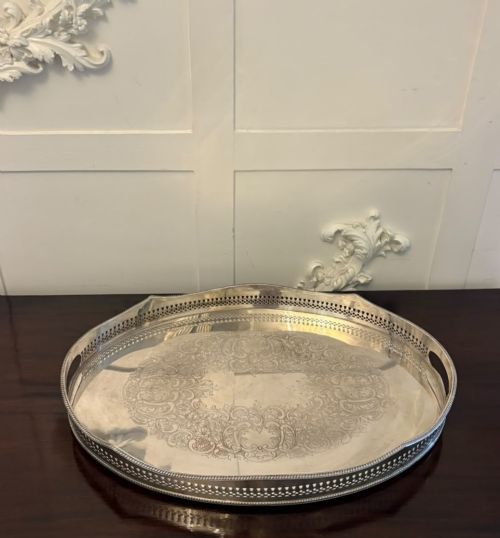
Surface ornamentation relies on hand engraving, chasing, and piercing, where metal is cut away or displaced to form intricate scrolls, foliage, and crests. Gallery trays incorporate pierced vertical brass or silver railings soldered to the base plate.
Silver Engraving Tray Retail Price Guide 2026
Typical asking prices for silver engraving tray among the pieces listed under this phrase on Sellingantiques today, from the lower quarter to the upper quarter. They describe what is for sale here now, not the wider market.
Listings span multiple eras from the 18th century through to the 1920s, featuring both British sterling silver and plated wares.
Judging quality and execution
Quality rests in the depth and precision of the hand engraving, where crisp, confident tool marks distinguish superior work from shallow or machine-imitative stamping. The weight of the metal and the rigidity of the rim or gallery indicate structural integrity.
Maker marks and hallmarks provide evidence of origin and standard, while older fused Old Sheffield plate displays distinct edge seams where copper and silver layers meet. Proportion and balance in the border decoration complete the assessment of a piece.
John Schofield·James Deakin·Mappin & Webb·Thomas Bradbury & Sons·Elkington·John Harrison·Walker & Hall·Robert Pringle & Sons·Harrison Bros·Liberty & Co
The Silver Engraving Tray Glossary
- Salver
- A flat tray, usually with feet, used for serving drinks or presenting cards. These circular or shaped plates date from the Georgian period onward.
- Old Sheffield Plate
- A composite material made by fusing a sheet of silver to a thicker copper base before rolling. This technique predates modern electroplating.
- Gallery Tray
- A serving tray fitted with a pierced or pierced and pierced metal rail around the edge. The raised border prevents items from sliding off during service.
- Chasing
- A metalworking technique where patterns are hammered into the front surface using punches without removing metal. This method gives texture and relief to floral designs.
Silver Engraving Tray: Frequently Asked Questions
How were silver engraving trays used?
These trays served afternoon tea, held decanters and glasses, or rested on halls tables to receive visiting calling cards. Salvers also transported letters and small objects around larger domestic households.
In daily life, they functioned as portable display surfaces that protected polished wood furniture from moisture and heat.
What is the difference between silver plate and sterling silver?
Sterling silver contains a regulated high purity of silver throughout the entire object, marked with traditional assay office symbols. Silver plate applies a thin layer of silver over a base metal such as copper or nickel silver.
Both materials share similar engraved decorative styles, but solid sterling pieces carry intrinsic precious metal value.
How do I date a silver tray?
British sterling silver pieces bear hallmarks indicating the assay office, date letter, and maker's mark. Plated items rely on maker stamps, patent marks, and stylistic clues such as Victorian grapevine borders or Edwardian gallery rails.
Comparing the engraving style and rim shape to documented periods helps narrow down unmarked or foreign examples.
How do I care for a silver tray at home?
Regular dusting with a soft cloth prevents surface grime from settling into the engraved recesses. When polishing is necessary, use a non-abrasive silver cream applied gently along the grain of the metal.
Avoid harsh dips that strip patination from older electroplated or solid pieces, and store them away from damp environments.