







Silver Drinkware Cup
Silver drinkware cup designs span centuries of craftsmanship, offering tactile utility and refined display for the discerning collector.
Silver Drinkware Cup
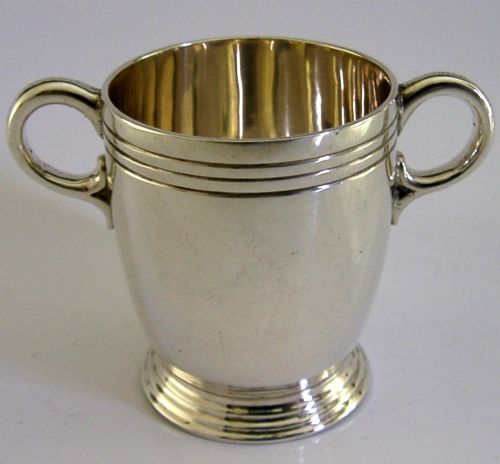
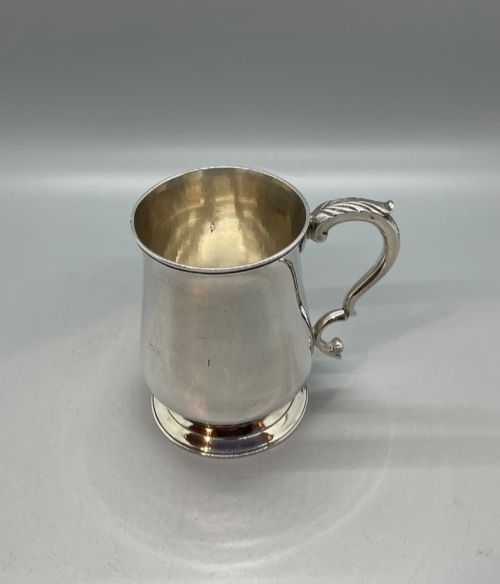
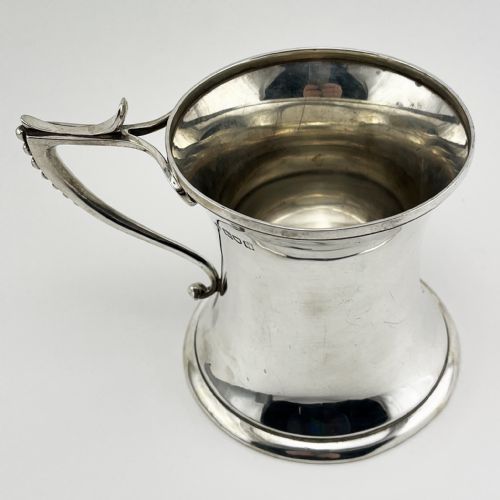
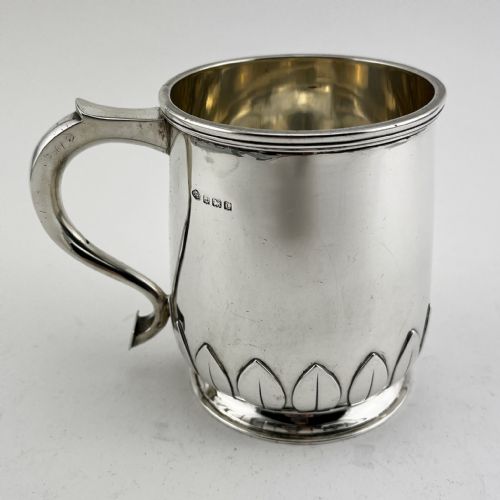
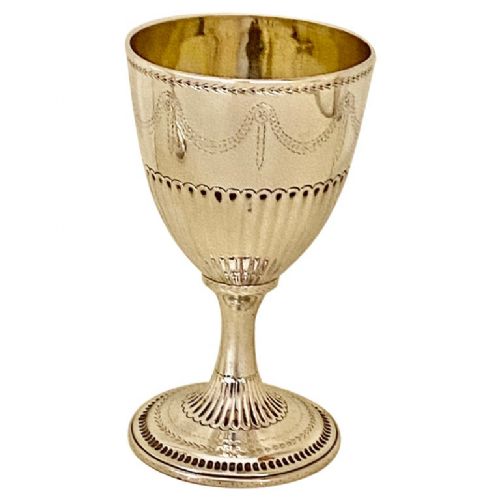
Silver drinkware cup examples on this page encompass a diverse array of historical forms, ranging from sturdy Georgian tankards to delicate Victorian goblets and Art Deco barware. Buyers seeking a silver drinkware cup will encounter pieces spanning from the mid-eighteenth century through the mid-twentieth century, reflecting shifting domestic habits and social rituals.
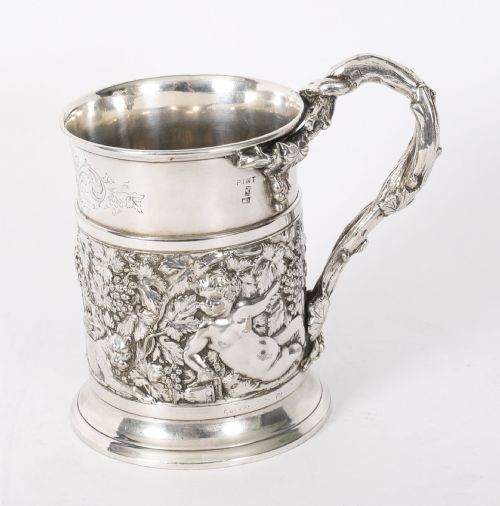
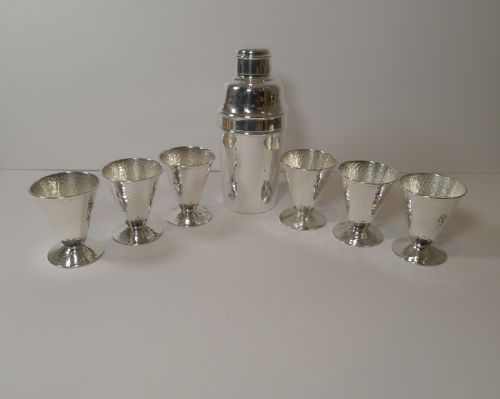
Victorian and Edwardian iterations often display embossed and engraved decoration, whilst earlier Georgian pieces favour plain bodies with scroll handles. Art Deco examples introduce hammered finishes and geometric lines, catering to twentieth-century tastes in entertaining.
Materials and technique
Makers utilised sterling silver, solid silver, and silver plate over base metals such as nickel silver to construct these drinking vessels. Techniques involve hand-hammering, casting, and raising sheet metal into hollowware forms, followed by applied scroll handles and foot rims.
Surface ornamentation relies on skilled embossing, crisp chasing, and detailed hand engraving to produce floral, figural, or geometric motifs. Certain pieces incorporate interior gilding, known as wash, to protect the metal from acidic beverages.
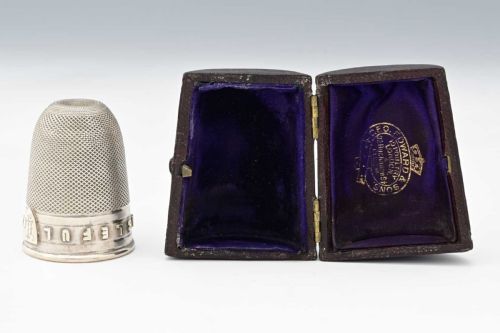
Victorian drinkers could enjoy a measure from a novelty silver cup shaped precisely like an oversized sewing thimble.
Standards of craftsmanship
Quality rests upon the weight of the metal, the crispness of the chased or engraved detail, and the structural integrity of the handle attachment. Superior pieces exhibit balanced proportions, smooth interior surfaces free from excessive thinning, and clear maker or hallmarking.
Artisanal execution distinguishes standard production items from exceptional commissions, particularly in hand-hammered Art Deco barware and intricately embossed Victorian novelty mugs. The preservation of original surface texture and sharp definition in decorative panels dictates distinction.
G R Collis·George Unite·Zee Wo·Aleksandr Timofeyevich Shevyakov·Maison Barra·St. Medard
The Silver Drinkware Cup Glossary
- Tankard
- A tall, cylindrical drinking vessel with a single handle, frequently fitted with a hinged lid or made with an open top in later periods. They are designed for substantial capacity and sturdy use.
- Beaker
- An open-faced drinking vessel without a handle, tapering slightly towards a flat base. These pieces often serve spirits or wine.
- Goblet
- A drinking vessel featuring a bowl supported by a stem and a flared foot ring. They are typically associated with formal dining and ceremonial toasts.
- Electroplated nickel silver
- A base metal alloy of copper, nickel, and zinc coated with a thin layer of silver through an electrolytic process. This technique became prevalent during the nineteenth century for producing affordable tableware.
- Gilt
- A thin application of gold applied to the interior surface of a silver cup. This treatment prevents metallic tastes when consuming acidic drinks.
Silver Drinkware Cup: Frequently Asked Questions
How do I clean antique silver cups?
Use a specialised silver cloth or mild, non-abrasive silver polish to maintain the shine without removing the underlying metal or engraving.
Avoid harsh chemical dips that strip desirable patination and can damage soldered joints on handles and stems.
Can I use these cups for daily drinking?
Solid sterling silver pieces are durable enough for regular use, provided they are washed by hand promptly after use.
Silver-plated items require more care to prevent the underlying base metal from showing through aggressive scrubbing.
What is a novelty silver cup?
Novelty cups are drinking vessels shaped into playful forms, such as thimbles or animals, designed to amuse guests at dinner parties.
Victorian makers particularly favoured these whimsical items for toasts and casual gatherings.
How do I date a silver cup?
British pieces typically bear hallmarks indicating the assay office, date letter, and maker's mark stamped directly into the metal.
Unmarked items or foreign pieces rely on stylistic indicators, engraving techniques, and historical context for dating.