


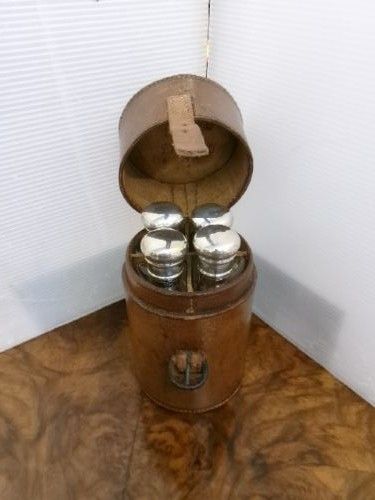


Silver Drink Decanter
These silver drink decanter pieces bring together period barware and display stands, offering a practical centrepiece for home entertaining.
Silver Drink Decanter
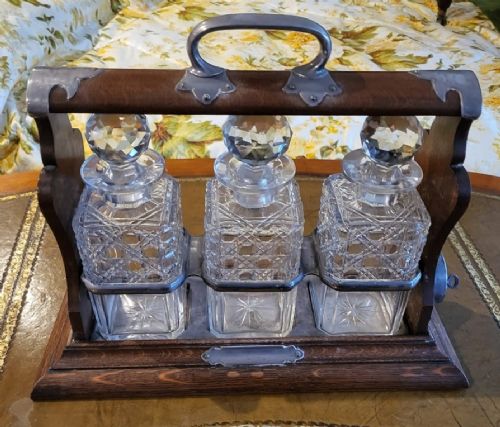
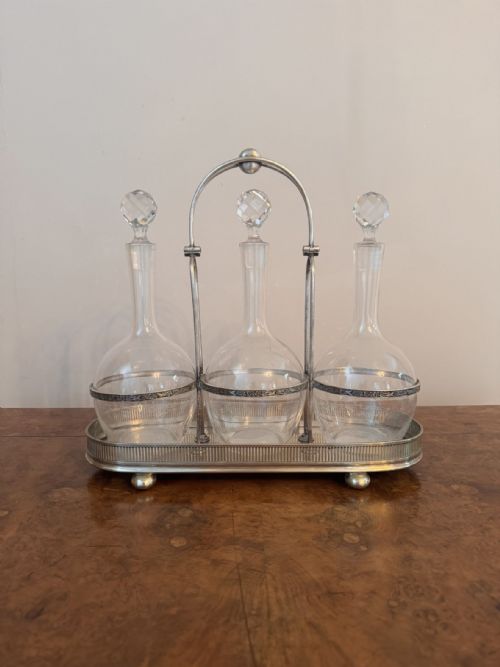
A silver drink decanter selection encompasses everything from secure oak tantalus frames to silver-plated trays, cocktail shakers, and glass bottles mounted in silver plate. Buyers frequently encounter Victorian and Edwardian tantalus sets alongside mid-century cocktail shakers and silver wine coasters.
The objects span barware essentials such as spirit flasks, liqueur stands, decanter labels, and multi-bottle barrel dispensers. Most pieces originate from the nineteenth and twentieth centuries, reflecting changing domestic habits in hosting and drinks service.
How they were made
The physical construction relies on heavy framing in oak, coromandel, or mahogany combined with cut glass and crystal bottles. Metal components typically feature solid sterling silver hallmarks or robust silver plate over a base metal foundation.
Makers utilised secure locking mechanisms for tantalus frames alongside detailed glass cutting, silver chasing for decanter labels, and specialised framing for revolving drinks carts and galleried trays.
Silver Drink Decanter Retail Price Guide 2026
Typical asking prices for silver drink decanter among the pieces listed under this phrase on Sellingantiques today, from the lower quarter to the upper quarter. They describe what is for sale here now, not the wider market.
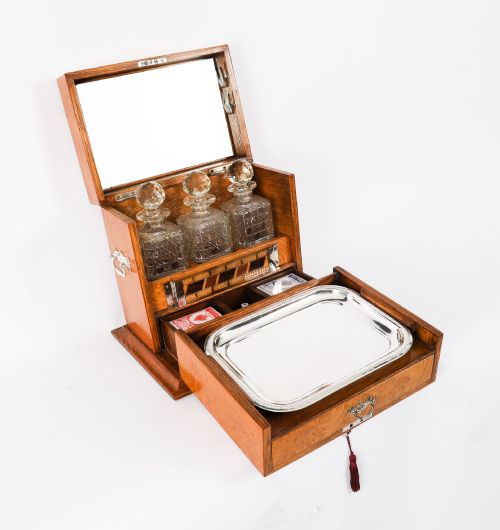
Some Edwardian tantalus sets doubled as games compendiums, concealing playing cards and counters alongside the gin and whiskey.
What varies in quality
Quality rests upon the weight and clarity of the glass bottles, the structural integrity of the timber framing, and the thickness of the silver plating. Better examples retain original functioning locks with keys and show crisp hallmarks on silver mounts.
The distinction between standard production items and superior pieces often lies in the decorative ambition of the metalwork, such as hand-engraved labels, enamelled glass details, or intricate gallery rails on serving trays.
Betjemann’s·Hukin & Heath·Mappin And Webb
The Silver Drink Decanter Glossary
- Tantalus
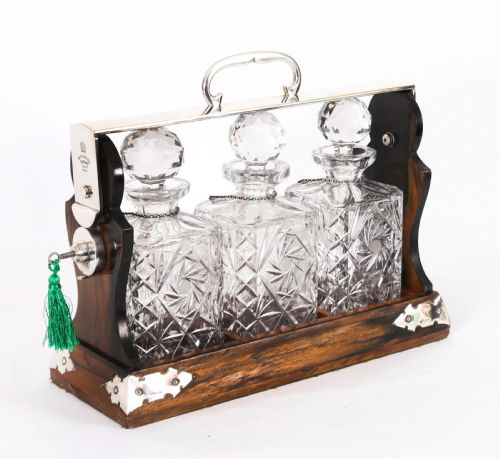
- A locking drink cabinet that holds decanters securely in place while displaying the contents. The mechanism prevents removal of the bottles until the wooden bar is unlocked with a key.
- Silver Plate
- A manufacturing technique where a thin layer of silver is fused to a base metal core. This method provided the visual appeal of solid silver at a more accessible cost for larger items like trays and stands.
- Decanter Label
- A small hanging tag suspended by a chain around the neck of a bottle to identify the spirit inside. These pieces often feature chased decoration and specific drink titles.
- Old Sheffield Plate
- An early method of fusing silver to a copper core by heat and pressure. It is typically found on older eighteenth and nineteenth century coasters and barware.
- Games Compendium
- A fitted box containing gaming equipment alongside a tantalus or dry bar. These multipurpose objects combined social pastimes with spirits storage in a single oak case.
Silver Drink Decanter: Frequently Asked Questions
What is a tantalus?
A tantalus is a locking drinks frame designed to keep decanters secure within a wooden carrier. The clever mechanism frustrates unauthorised access by locking the stoppers in place.
These pieces were typically kept in studies or dining rooms during the Victorian and Edwardian periods. They allowed hosts to supervise the distribution of fine spirits.
How do you use decanter labels?
Decanter labels hang from silver chains around the necks of glass bottles to distinguish between various spirits. They prevent confusion when serving guests from matching cut glass decanters.
Traditional titles include whiskey, gin, and brandy. Collectors often look for unusual names or matching sets of these small silver tags.
Where were cocktail shakers placed?
Cocktail shakers sat upon silver-plated trays or within dedicated barware sets alongside tot pails and glass tumblers. They became particularly popular during the Art Deco and mid-century periods.
These vessels were utilised for mixing chilled drinks during formal gatherings and cocktail parties. They often feature modernist chrome finishes or enamelled glass designs.
How are wooden frames maintained?
Oak and coromandel cases require gentle cleaning with appropriate wood balms to preserve the natural finish of the grain. Metal elements should be polished carefully to avoid wearing down silver plate.
Keeping these pieces away from direct heat sources protects the timber from splitting. Regular light dusting maintains the condition of both the wood and the mounted glass.