



Silver Dining Tray
A silver dining tray brings formal tables and sideboards together, offering a gleaming surface for serving wine, butter, and dishes.
Silver Dining Tray
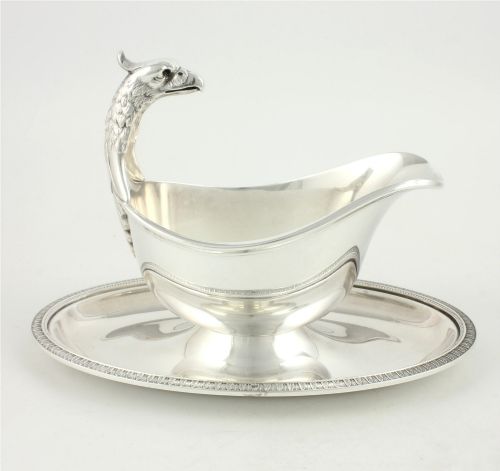
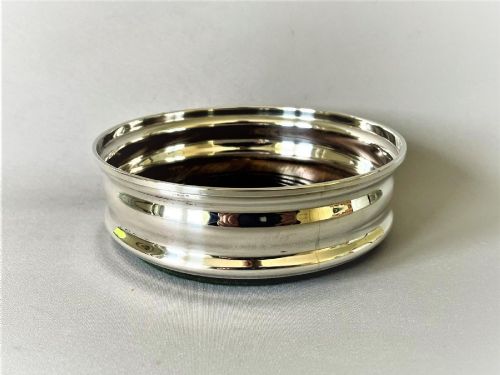
A silver dining tray encompasses a variety of serveware designed for the table, including serving dishes, wine coasters, sauce boats, and centrepieces. When looking for a silver dining tray, buyers encounter pieces spanning the Victorian, Edwardian, and Art Deco periods, alongside 19th-century French designs.
Victorian and Edwardian examples dominate the offerings, showing traditional British craftsmanship alongside continental European pieces by makers such as Christofle Gallia, Orivit, Martin Hall, and Walker and Hall. Each piece reflects the dining customs of its era, from elaborate asparagus servings to wine bottle coasters.
Materials and construction
The objects combine metals like sterling silver, silver plate, EPNS, pewter, and silvered metal with organic and silicate materials such as wood, cut glass, and mirrored glass. Solid silver items showcase traditional smithing techniques, including piercing and engraving, while plated wares rely on applying silver layers to base metals.
Specialised items integrate fitted components, such as glass liners within butter dishes or wooden bases in novelty butlers tray cruet sets. Manufacturers utilised stamping, casting, and soldering to create decorative borders, handles, and grape and vine motifs on wine coasters.
Silver Dining Tray Retail Price Guide 2026
Typical asking prices for silver dining tray among the pieces listed under this phrase on Sellingantiques today, from the lower quarter to the upper quarter. They describe what is for sale here now, not the wider market.
Some dining trays doubled as miniature butlers tables, serving condiments in miniature oak frames.
Factors of quality
Quality rests in the crispness of chased or pierced decoration, the weight and thickness of the silver or plate, and the integrity of any fitted glass or wood elements. Pieces produced by established makers demonstrate superior finish in handle attachment, edge-rolling, and detail work on motifs like vines and eagles.
The condition of the silver surface relative to the base metal, the clarity of cut glass liners, and the tightness of joints in multi-part assemblies distinguish standard utilitarian serveware from finer decorative examples.
Christofle Gallia·Orivit·Martin Hall·Walker and Hall
The Silver Dining Tray Glossary
- Silver Plate
- A base metal coated with a thin layer of silver. This technique allowed manufacturers to produce decorative tableware at a lower cost than solid silver.
- EPNS
- Electroplated nickel silver. This denotes a base metal alloy of copper, nickel, and zinc coated with silver through an electrolytic process.
- Cruet Set
- A collection of small bottles or containers for condiments and sauces, often held together in a small tray or stand.
- Table Centrepiece
- A decorative object placed in the middle of a dining table. These pieces often feature elaborate silvered metal or plated designs.
- Pierced
- A technique where metal is cut through to create decorative openwork patterns. This method appears frequently on Victorian serving dishes.
Silver Dining Tray: Frequently Asked Questions
How were silver dining trays used?
These items served functional roles during formal meals, carrying wine bottles, sauces, butter, asparagus, and side dishes from the kitchen to the dining table.
They also functioned as decorative centrepieces or organisational holders for cruet sets and carving knives on the sideboard.
What is the difference between sterling silver and silver plate?
Sterling silver consists of solid precious metal with a defined purity standard, making the entire piece uniform in material.
Silver plate utilises a less expensive base metal, such as nickel or copper, covered with a thin outer layer of silver.
How do I care for silver serveware?
Regular dusting and occasional gentle cleaning with appropriate silver polish maintain the surface finish without wearing down plated layers.
Keeping items dry and storing them away from damp environments prevents tarnishing and protects accompanying glass or wooden components.
How can I identify the period of a tray?
Stylistic indicators such as Art Nouveau floral curves, heavy Victorian pierced work, or geometric Art Deco lines help determine the era of manufacture.
Maker marks, registry numbers, and structural materials like EPNS or sterling hallmarks provide definitive chronological clues.