



Silver Crystal Pendant
A silver crystal pendant brings together the clarity of stone or glass with the enduring work of silver, spanning delicate necklaces to substantial architectural lighting.
Silver Crystal Pendant
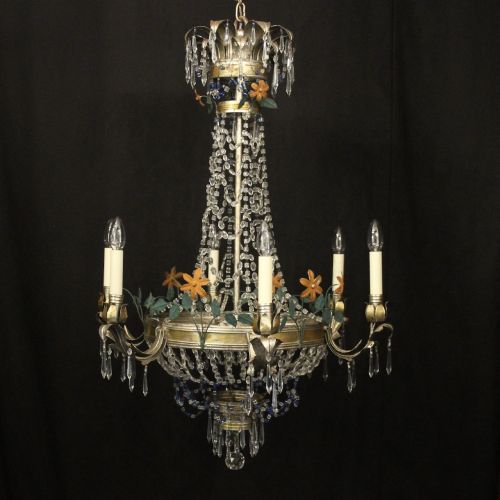
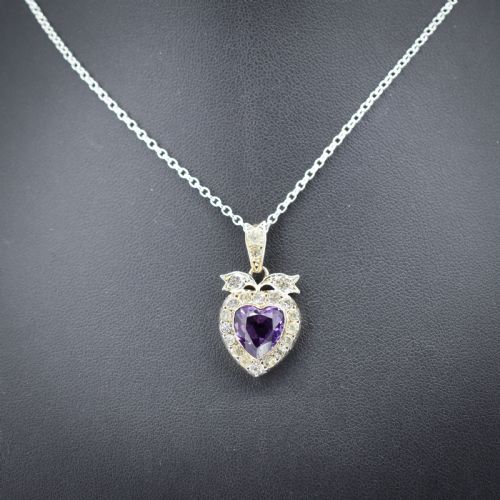
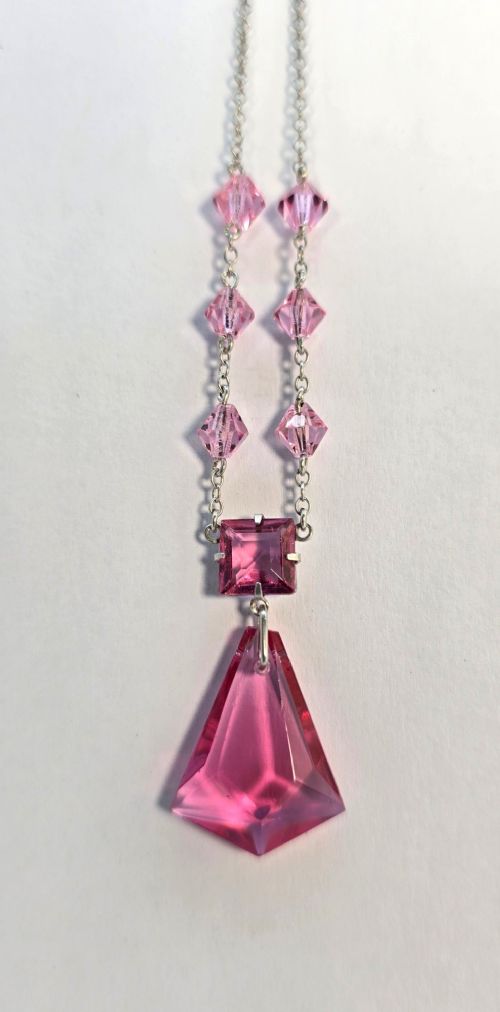
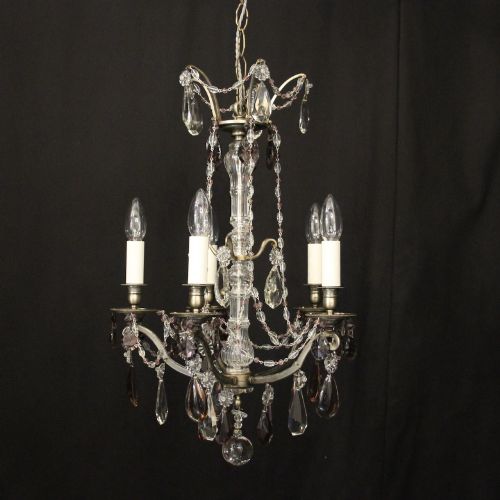
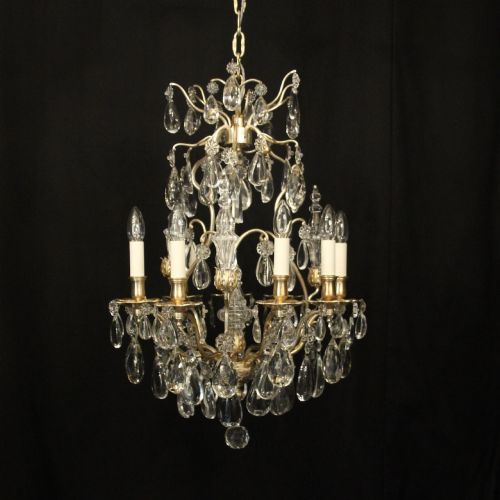
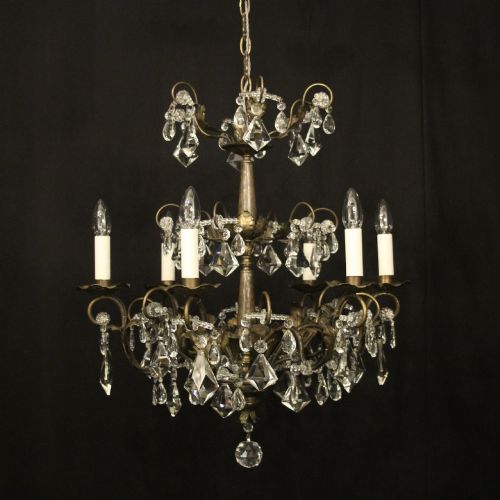
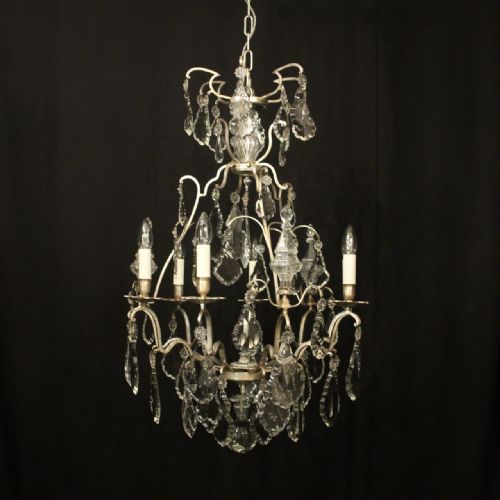
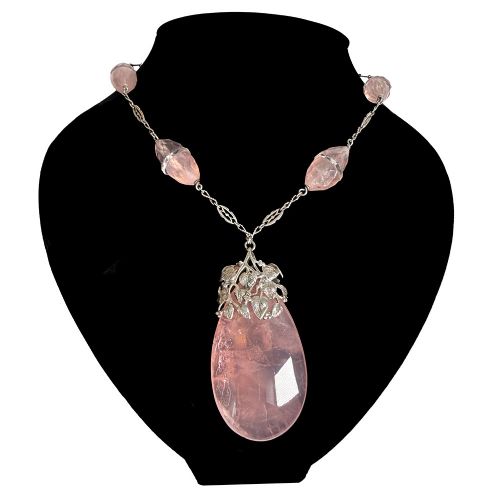
When searching for a silver crystal pendant, a buyer encounters a diverse group of objects ranging from personal jewellery such as necklaces, drop earrings, and lockets to larger hanging forms like ceiling lights, dish lights, and multi-light chandeliers.
The jewellery side of the selection draws heavily from Victorian, Edwardian, Arts and Crafts, and Art Deco periods, frequently pairing silver with rock crystal, cut glass, paste, or gemstones like amethyst and opal.
Larger hanging examples lean toward French, Italian, and English aesthetic traditions, incorporating silvered metal, silver plating, or silver gilding alongside substantial cut crystal and glass components.
How they were made
Metalsmiths shaped silver, silver-gilded bronze, and silver-plated bases using techniques like filigree work, hand-setting, and casting to support the heavy refractive weight of glass and quartz.
Lapidaries cut, faceted, and polished rock crystal, paste, and glass by hand to maximise light play, securing them into bezels, claw settings, or wire loops.
Silver Crystal Pendant Retail Price Guide 2026
Typical asking prices for silver crystal pendant among the pieces listed under this phrase on Sellingantiques today, from the lower quarter to the upper quarter. They describe what is for sale here now, not the wider market.
Listings span the 19th Century, Edwardian, Victorian, and mid-20th-century eras, incorporating silver, rock crystal, cut glass, and paste.
What varies in quality
Quality rests in the harmony of proportion between the metal setting and the crystal element, where careful hand-crafting produces a balanced weight and fluid line.
The purity and depth of the materials define the piece, distinguishing crisp, hand-cut rock crystal and genuine silver mounts from moulded glass and plated base metals.
Amy Sandheim·George Hunt·Vivianna Torun Bulow Hube·Kurt Nielsen·Georg Jensen
The Silver Crystal Pendant Glossary
- Rock crystal
- A naturally occurring, colourless variety of quartz used by lapidaries as a durable gemstone. It was favoured in Arts and Crafts and Georgian jewellery for its sharp refractive clarity.
- Paste
- Hand-cut and polished lead glass used to imitate gemstones. In antique jewellery, paste stones were set with the same care as genuine gems.
- Filigree
- Delicate metalwork formed from fine silver wires twisted and soldered into intricate open patterns. This technique creates lightweight yet ornate mountings for pendants.
- Gilded bronze
- A bronze base coated with a thin layer of silver or gold. It provides structural strength for large chandeliers while retaining a precious metal finish.
- Intaglio
- A design carved into the flat or curved surface of a stone or glass drop. It creates a sunken relief that catches the light differently than standard faceting.
Silver Crystal Pendant: Frequently Asked Questions
How do I date a silver crystal pendant?
Dating relies on the manufacturing techniques, hallmark stamps on the metal, and the characteristic design style of the period. Arts and Crafts pieces often show hand-hammered silver work, whereas Art Deco items feature geometric precision.
Changes in chain types, claw settings, and the cut of the crystal or glass also offer clear chronological clues.
Are these pendants made of real rock crystal or glass?
Pieces incorporate both natural rock crystal and manufactured glass or cut crystal depending on the maker and the intended use of the object. Natural rock crystal feels colder to the touch and displays microscopic natural inclusions under magnification.
Heavier architectural lighting typically utilises moulded or cut glass, while personal jewellery frequently employs quartz or high-lead paste.
How should I clean a silver crystal pendant?
Silver components require a soft polishing cloth to maintain the metal without abrading adjacent stones or fragile filigree work. Harsh chemical dips risk damaging softer gems like opal or weakening historic solder joints.
Crystal and glass elements benefit from gentle wiping with a damp cloth and mild soap, followed by thorough drying.
Can antique ceiling pendants be rewired safely?
Many historic hanging lights and chandeliers arrive with modern electrical wiring installed to meet current safety standards. Professional rewiring preserves the original silvered metal frame while ensuring the internal components function reliably.
A qualified electrician can easily adapt vintage ceiling fixtures for contemporary domestic power supplies.