




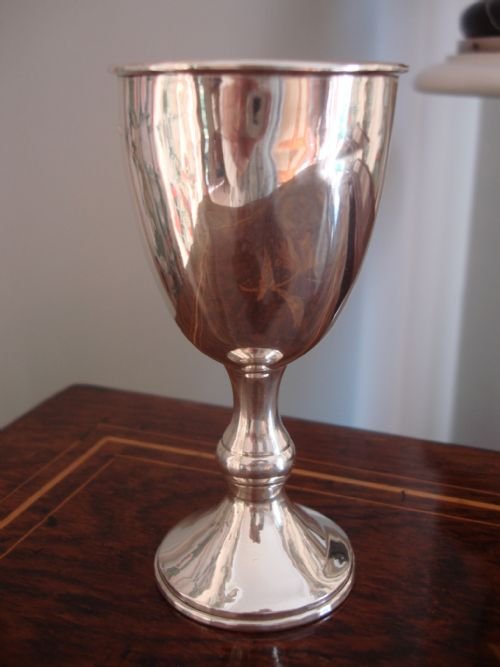
Silver Communion Vessel
A silver communion vessel carries centuries of ritual devotion, offering the weight of sacred history for the collector of ecclesiastical silver communion vessel examples.
Silver Communion Vessel
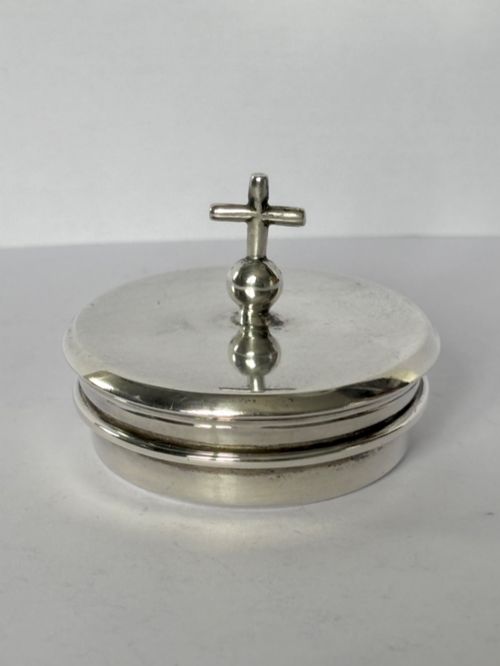
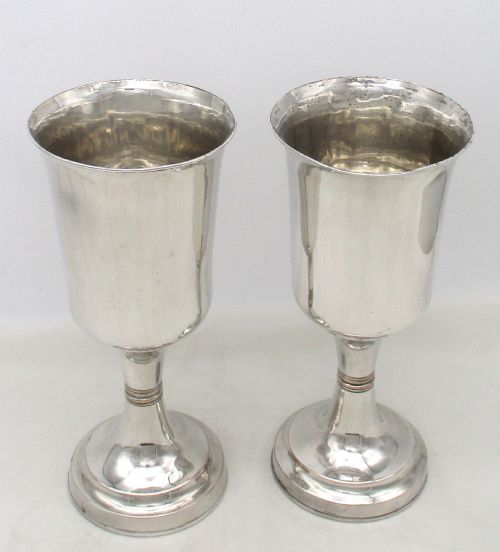
When you search for a silver communion vessel, you encounter sacred altar vessels designed for liturgical service, primarily taking the form of chalices, goblets, flagons, and pyx boxes. These objects represent centuries of religious observance across various Christian traditions and domestic liturgical settings.
The pieces appearing on this page span several distinct eras, stretching from mid-eighteenth-century items through the nineteenth century into mid-twentieth-century examples. You will frequently find Victorian church chalices alongside Georgian sterling silver pieces and Old Sheffield plated wares.
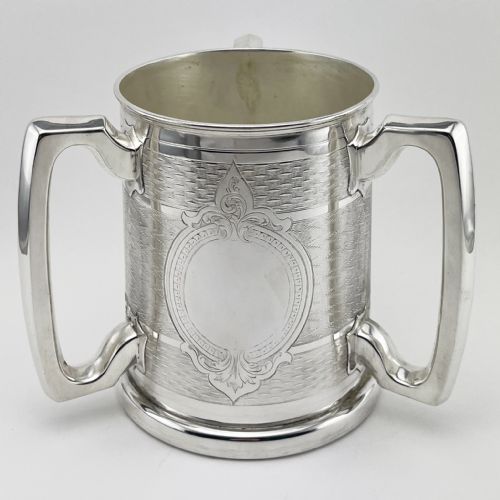
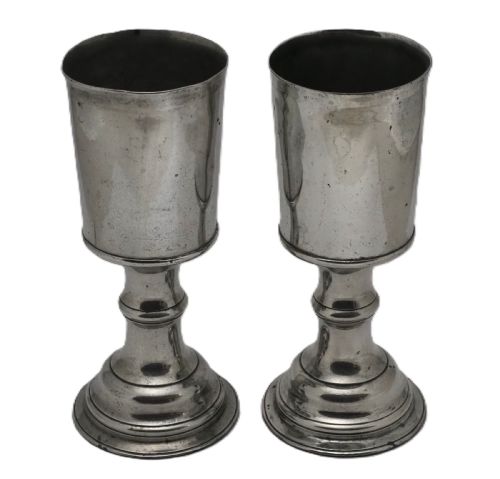
Forms range from tall pair chalices and loving cups to complete communion sets and dedicated ritual boxes. Each object reflects the specific ecclesiastical design language of its period, whether plain Georgian proportions or ornate Victorian gothic revival styling.
How they were made
Makers utilised traditional silversmithing techniques, shaping sterling silver, silver gilt, and gold gilt into heavy ritual forms. Many nineteenth-century examples employ Old Sheffield plate or silver plating over base metal cores, combining durability with rich surface lustre.
Alternative materials appear in the record, including pewter vessels and copper substrates finished with electroplated nickel silver. Surface treatments such as gilding interiors highlight the functional requirements of liturgical use.
Silver Communion Vessel Retail Price Guide 2026
Typical asking prices for silver communion vessel among the pieces listed under this phrase on Sellingantiques today, from the lower quarter to the upper quarter. They describe what is for sale here now, not the wider market.
Listings feature materials ranging from solid sterling silver and gold gilt to silver plate, pewter, and copper.
What varies in quality
Quality rests upon the crispness of chased or engraved decoration and the proportional balance of the vessel. Heavier gauge metalwork and robust construction distinguish superior workshop output from simpler utilitarian pieces.
The integrity of surface finishes, particularly the preservation of original gilding on interior bowls and the smoothness of silver plating over base metals, determines the standing of an individual vessel.
F. Osbourne & Co London·George Unite·Elkington Mason·William Eaton·Richard Gurney
The Silver Communion Vessel Glossary
- Chalice
- A consecrated cup used to hold sacramental wine during religious communion services. These vessels typically feature a deep bowl, a knopped stem, and a wide spreading foot for stability.
- Pyx
- A small round box used to carry the consecrated eucharist. These containers often feature secure hinged lids and interior gilding to protect the contents.
- Flagon
- A large jug or pitcher designed to hold sacramental wine before it is poured into individual chalices. They frequently incorporate hinged lids and sturdy handling grips.
- Old Sheffield Plate
- An early composite material made by fusing a thin sheet of silver to a thicker copper ingot. This technique creates durable items with genuine silver surfaces.
- Silver Gilt
- Silver objects that have been coated with a thin layer of gold on their surfaces. This treatment is particularly common on the interior bowls of communion cups.
Silver Communion Vessel: Frequently Asked Questions
What is a silver communion vessel used for?
These vessels were created for use in Christian church services to hold and serve sacramental wine or bread. They served central roles in altar rituals and liturgical ceremonies.
Over time, many of these pieces passed from active church service into private collections, domestic display, or institutional treasuries.
How do I identify a Victorian chalice?
Victorian examples often display Gothic revival influences, heavy ornamentation, and distinctive nineteenth-century hallmarks. Makers embraced architectural motifs and elaborate engraving during this period.
Examining the manufacturing style and any stamped maker marks provides clear clues to the exact decade of production.
What is the difference between sterling silver and silver plate?
Sterling silver contains a solid high purity of silver throughout the entire metal structure. Silver plate consists of a thin layer of silver bonded over a base metal such as copper or nickel silver.
Both materials appear frequently in ecclesiastical metalwork depending on the commissioning budget and the period of manufacture.
How should I clean antique church silver?
Antique silver requires gentle maintenance using non-abrasive cloths to preserve the natural patina accumulated over decades. Avoid harsh chemical dips that strip away desirable historical surface characteristics.
Professional advice should be sought for pieces with delicate gilding or fragile historical plating.