






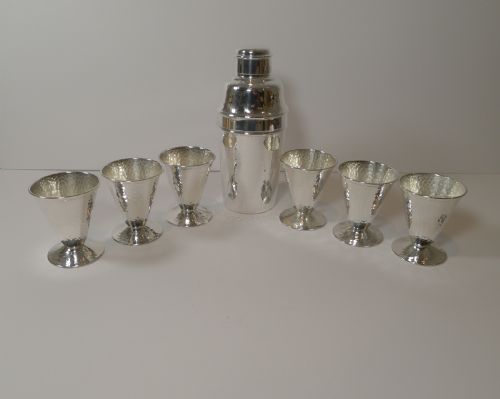
Silver Cocktail Glasses
Silver cocktail glasses combine glass bowls with sterling silver or silver plate, offering a touch of period style to home entertaining.
Silver Cocktail Glasses
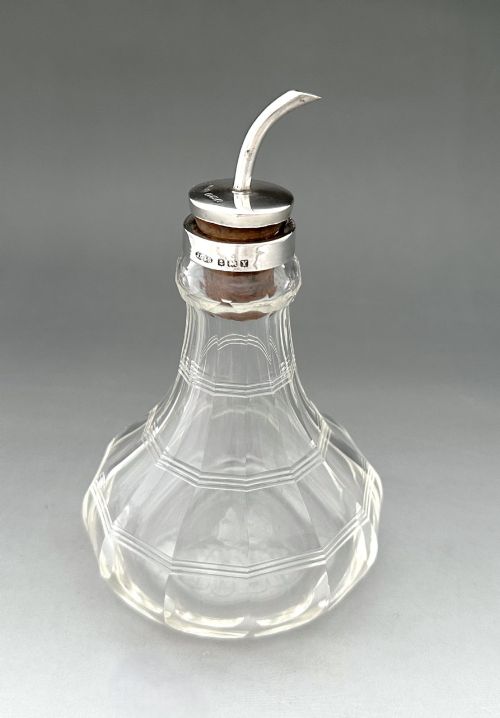
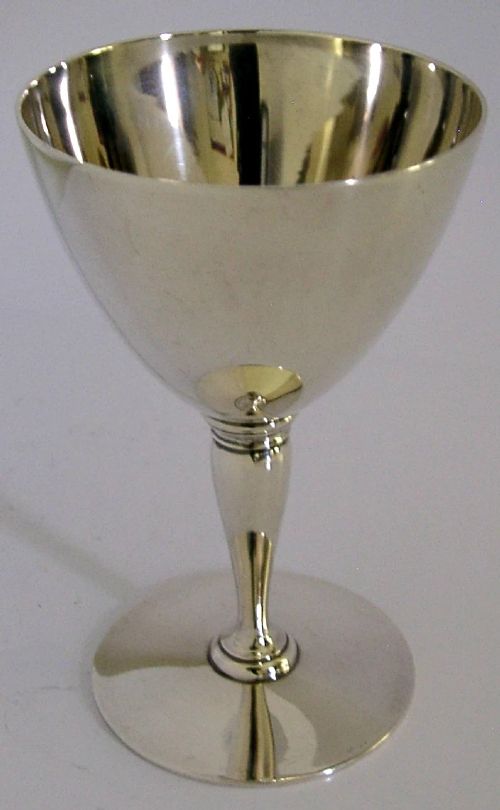
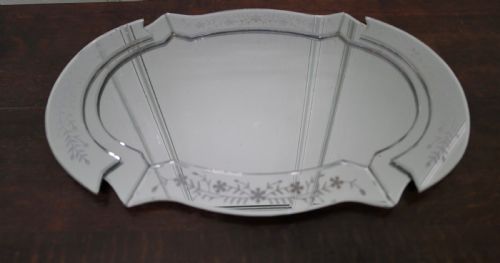
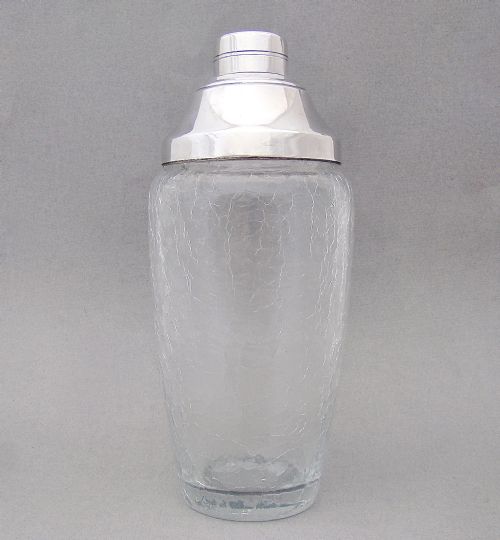
Silver cocktail glasses encompass handled cups, goblets, and drinking vessels produced during periods such as the 1920s and 1930s. These pieces often arrive alongside related barware like cocktail shakers, jugs, and serving trays.
Earlier Victorian and Edwardian examples also appear, alongside occasional pieces from the Georgian era and the 19th century, though these skew towards related items like claret jugs and lemonade pitchers.
What varies in quality
Quality separates standard production items from pieces bearing maker marks from prominent firms like Tiffany & Co. Weight, gauge of silver, and the precision of the glass cutting determine the distinction.
The integration between metal and glass components shows the maker's hand, where tight joints and balanced weight indicate careful workshop assembly.
Silver Cocktail Glasses Retail Price Guide 2026
Typical asking prices for silver cocktail glasses among the pieces listed under this phrase on Sellingantiques today, from the lower quarter to the upper quarter. They describe what is for sale here now, not the wider market.
Materials documented across these items include sterling silver, silver plate, cut glass, chrome, enamel, and glass paste.
Tiffany & Co·Mappin & Webb·Elkington & Co·Hukin & Heath·Aspray of London
The Silver Cocktail Glasses Glossary
- Sterling silver
- A silver alloy containing 92.5 percent pure silver and 7.5 percent other metals, commonly copper. This standard appears frequently in high-end drinking vessels and shakers.
- Silver plate
- A base metal, often copper or nickel brass, coated with a thin layer of pure silver. It provided an accessible alternative to solid silver for large barware items.
- Art Deco
- A design style popular during the 1920s and 1930s characterised by geometric shapes, streamlined forms, and modern materials like chrome and enamel. It dominates the surviving examples of cocktail equipment.
- Cut glass
- Glassware shaped and patterned by cutting facets or motifs into the surface using abrasive wheels. It provides weight and sparkle to cocktail glasses and ice buckets.
- Paste
- Hand-cut glass or lead crystal used to imitate gemstones in decorative metalwork or jewellery. It reflects light in a manner distinct from natural stones.
Silver Cocktail Glasses: Frequently Asked Questions
What are silver cocktail glasses?
Silver cocktail glasses are drinking vessels that combine glass bowls with silver mounts, stems, or complete silver cups. They were produced primarily during the early twentieth century for serving mixed drinks.
These pieces range from sterling silver goblets to silver-plated cups accompanying matching decanter sets and shakers.
How do I clean silver cocktail glasses?
Cleaning requires warm soapy water and a soft cloth to protect both the glass and the silver surfaces. Avoid abrasive pads that scratch metal plating or etched glass.
Silver polish should be used sparingly on the metal components, taking care not to transfer chemicals onto the glass interior.
Are silver cocktail glasses safe for drinks?
Most antique and vintage silver cocktail glasses remain suitable for serving cold beverages. Care should be taken with pieces featuring older adhesives or delicate enamel work.
Hand washing preserves the structural integrity of pieces that combine glass bodies with fitted metal bases.
How do I identify Art Deco cocktail glasses?
Art Deco cocktail glasses display geometric patterns, clean vertical lines, and modernist forms typical of the 1920s and 1930s. They often incorporate chrome, cut glass, or enamel details.
Matching sets frequently appear alongside bar carts, serving trays, and cocktail shakers from the same design period.