




Silver Cigarette Holder
A silver cigarette holder is a pocket accessory or desktop piece used to contain smoking materials, prized for its metalwork and period character.
Silver Cigarette Holder
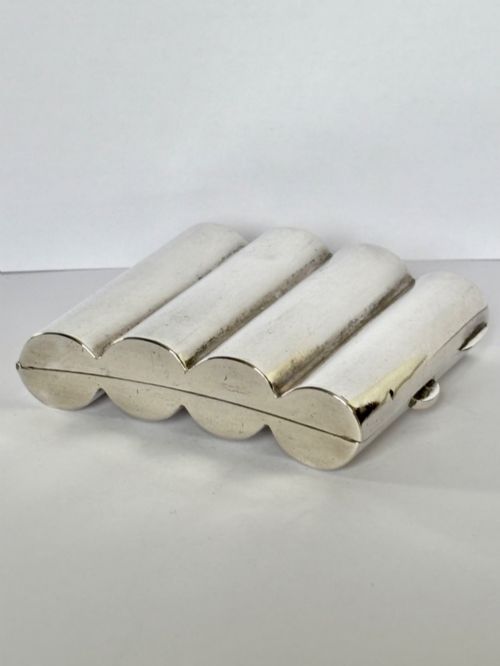
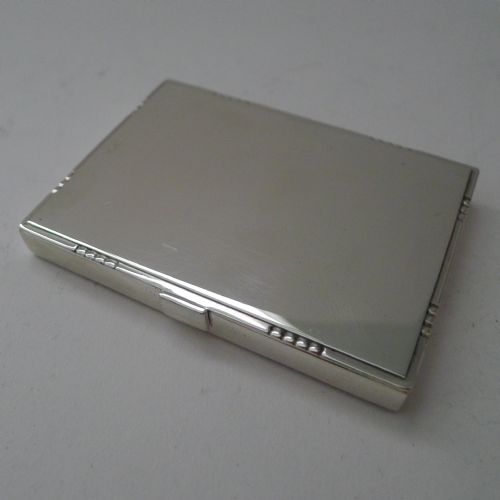
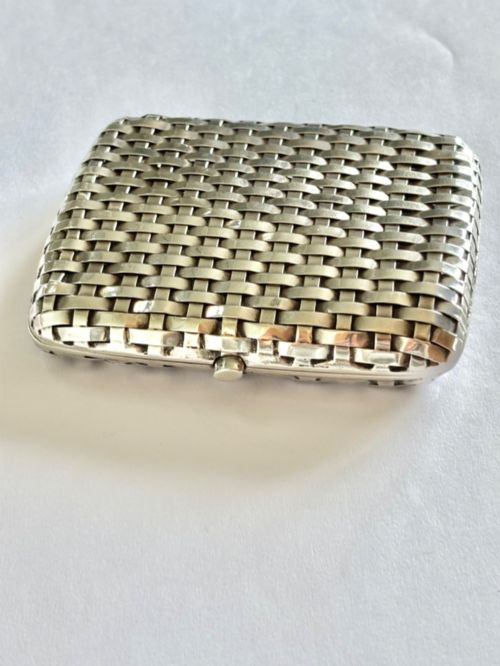
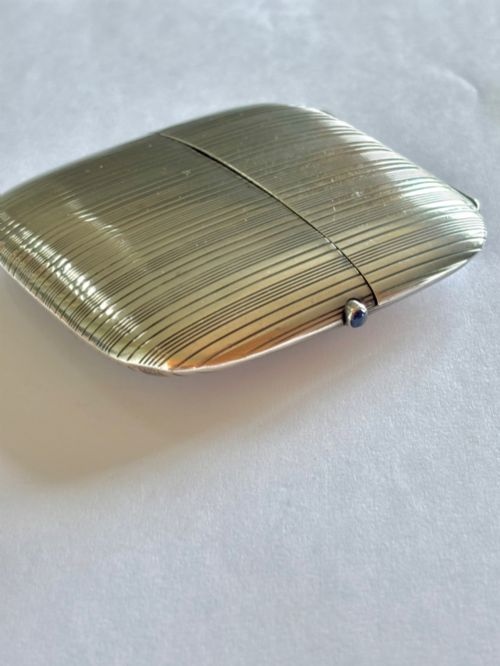
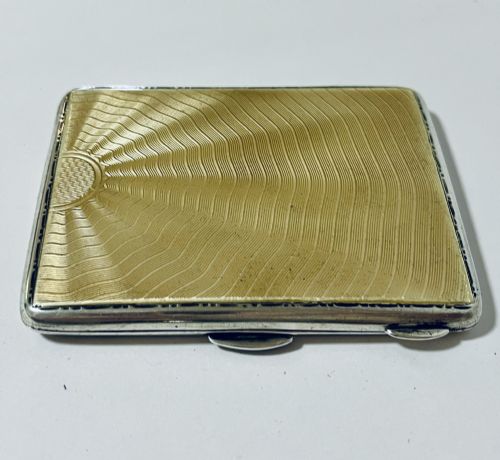
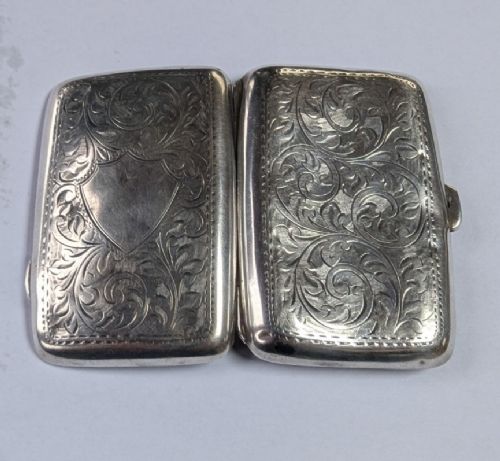
A silver cigarette holder on this page typically refers to compact cases, dispensers, and vesta cases rather than mouthpieces, spanning from the Victorian era through the Art Deco period. These items were designed to hold tobacco products securely in pockets or on tables.
Dated examples range from 1880 through the mid twentieth century, capturing distinct stylistic shifts from Victorian novelty designs to clean Art Deco geometry.
Materials and construction methods
Silversmiths utilised sterling silver and solid silver as the primary body materials, often enhancing the forms with silver gilt, gold accents, and gilt metal details.
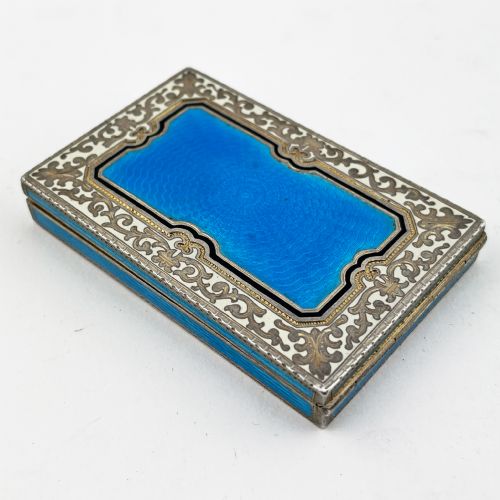
Vitreous enamel and hand-painted enamel decoration add colour and pictorial detail to metal surfaces, particularly on Edwardian and Art Deco items.
Cut glass and specialised mechanisms, such as unusual opening levers or telescopic fittings, appear in more elaborate smoking compendiums and combination cases.
Silver Cigarette Holder Retail Price Guide 2026
Typical asking prices for silver cigarette holder among the pieces listed under this phrase on Sellingantiques today, from the lower quarter to the upper quarter. They describe what is for sale here now, not the wider market.
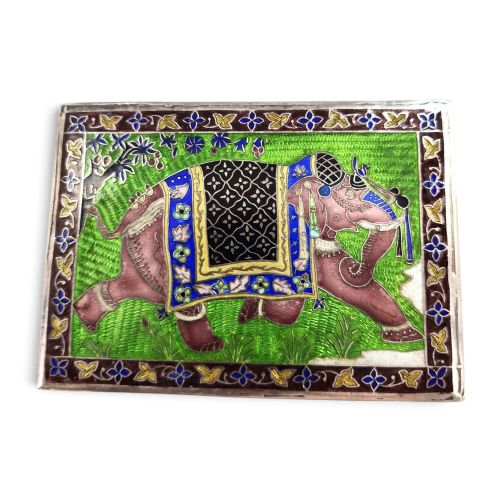
An elephant card box from India proves that even pachyderms occasionally wanted a smoke.
Factors of craftsmanship and distinction
Quality rests in the precision of the mechanics, such as hinges, closures, and internal six-finger compartments, which operate smoothly on finer pieces.
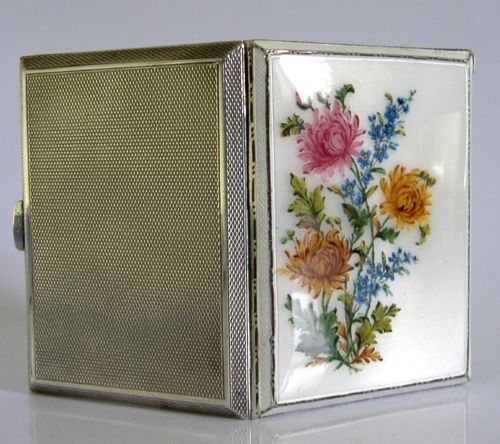
The execution of surface decoration distinguishes workshop output, seen in the skill of hand-painted enamel floral motifs and complex applied crests.
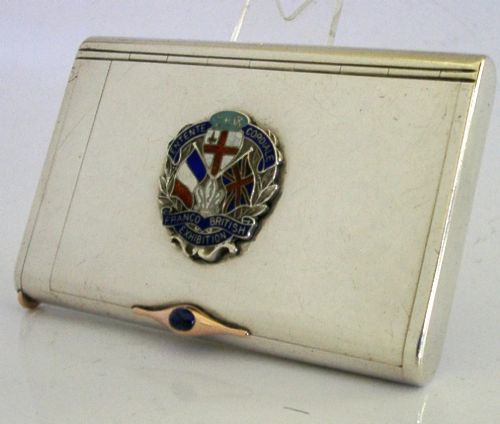
Makers and provenance elevate certain items, particularly documented English silver work and specialised exhibition pieces.
The Sampson Mordan·Liberty & Co·Dunhill
The Silver Cigarette Holder Glossary
- Sterling silver
- A silver alloy containing 92.5 percent pure silver by mass, standard in British silver manufacturing. This metal provides the durable foundation for most period pocket cases.
- Vitreous enamel
- Glass fused to the surface of metal through high-temperature firing to create a glossy, decorative coating. It appears frequently on colourful Edwardian and Art Deco surfaces.
- Vesta case
- A small pocket box designed to hold matches and strike them on an integrated friction surface. These are often combined with compartments for tobacco products.
- Smoking compendium
- A comprehensive desktop or table set containing multiple smoking accessories within a single fitted arrangement. Cut glass and silver elements feature prominently in these assemblies.
- Silver gilt
- Sterling silver that has been coated with a thin layer of gold on the interior or exterior surfaces. This technique adds a rich warm tone and protects the base metal from tarnishing.
Silver Cigarette Holder: Frequently Asked Questions
What periods do these silver items cover?
The available pieces span the Victorian era, the Edwardian period, and the Art Deco years of the early twentieth century. Listings also include nineteenth-century items and mid-century examples.
Each period brings distinct aesthetic choices, moving from ornate Victorian engraving to sleek geometric Art Deco lines.
How were these silver cases originally used?
Owners carried pocket cases daily to protect delicate paper cigarettes or cheroots from crushing while travelling. Larger boxes and dispensers served on desks or smoking tables to offer tobacco to guests.
Combination pieces often integrated vesta compartments for matches, providing a complete smoking kit in one portable item.
How do I care for silver and enamel items?
Store silver pieces in dry environments to slow down natural tarnishing processes, avoiding harsh abrasive polishes that damage delicate engraved details. Enamel surfaces require gentle cleaning with a soft cloth to protect the fused glass.
Items with moving hinges and opening mechanisms benefit from occasional professional inspection to maintain structural integrity.
How can I tell Victorian pieces from Art Deco ones?
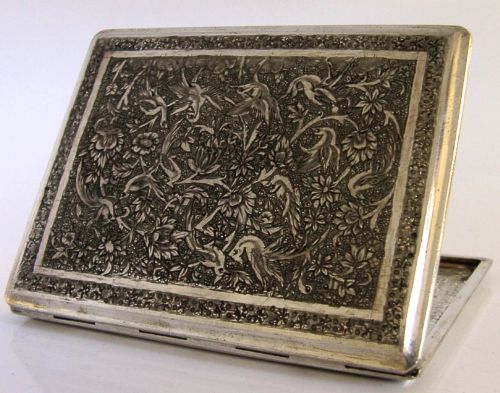
Victorian examples rely on floral motifs, complex engraving, and novelty shapes, reflecting nineteenth-century tastes for ornamentation. Birmingham and London hallmarks often provide precise manufacturing dates.
Art Deco items utilise streamlined geometric patterns, smooth enamelling, and minimalist construction typical of the 1920s and 1930s.