






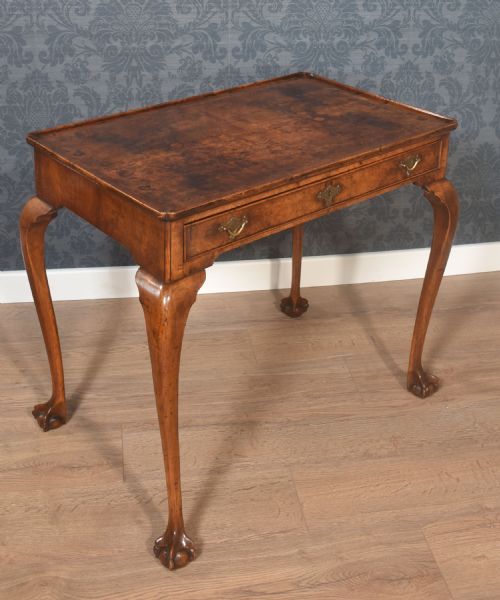
Silver Carving Dish
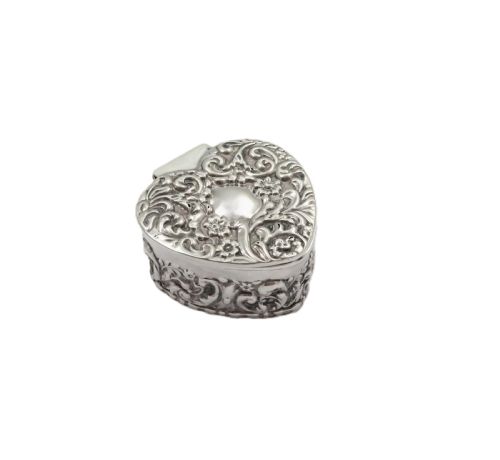
These silver carving dish examples range from Georgian meat domes to Edwardian trinket boxes, offering robust practicality for the table.
Silver Carving Dish
Most pieces date from the Georgian era through to the early twentieth century, incorporating materials like solid silver, silver plate, copper, and horn. Forms vary from meat trays and warming dishes to centrepieces, bowls, and serving trays.
Origin and regional style also shape the selection, taking in Chinese Export, Rococo Revival, and Indian Colonial designs. Buyers encounter a mix of utilitarian dining items and decorative display pieces.
How They Were Made
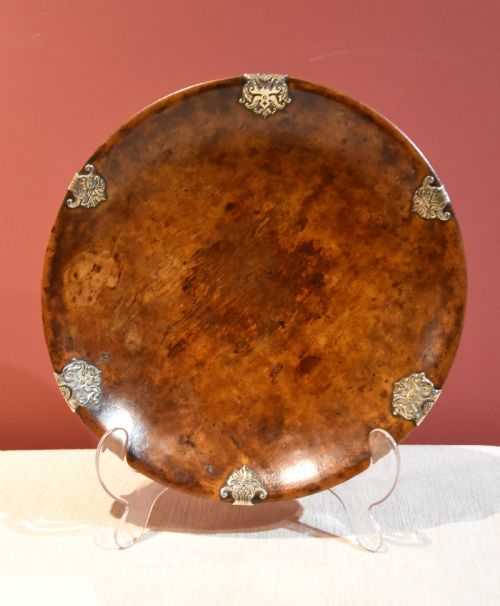
The evidence shows construction in sterling silver, silver plate, and white metal, often combined with timbers like mahogany, burr walnut, and maple. Some items integrate horn and copper alongside the metalwork.
Manufacturing methods involve hand craftsmanship, seen in handmade Indian silver plated boxes and detailed shell centrepieces. Smithing, plating, and carving define the physical creation of these objects.
Silver Carving Dish Retail Price Guide 2026
Typical asking prices for silver carving dish among the pieces listed under this phrase on Sellingantiques today, from the lower quarter to the upper quarter. They describe what is for sale here now, not the wider market.
Geographic origins range from British and Irish workshops to Austrian Secessionist design and Indian Colonial production.
What Varies in Quality
Quality depends upon the crispness of the detail and the weight of the metal utilised in each piece. Heavier gauge silver and well-defined chasing separate finer items from standard plated wares.
The choice of secondary materials also dictates standard, with figured mahogany and burr walnut providing superior cabinetwork on tables. Maker attribution and regional provenance further distinguish the better examples.
Roberts Cadman·Tiffany and Co·Samuel Hennell·Josef Margold
The Silver Carving Dish Glossary
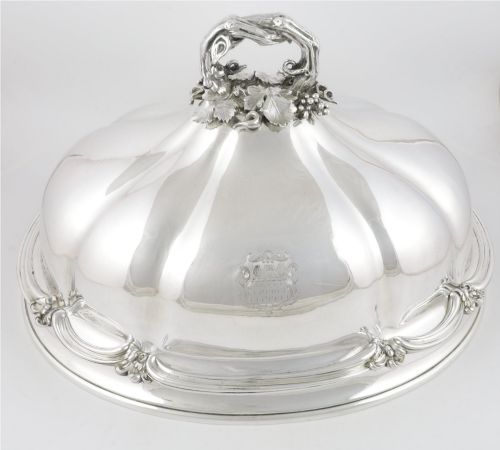
- Meat Dome
- A large domed cover used to keep joints of meat warm on the carving table. These are typically fashioned in Old Sheffield plate or silver plate.
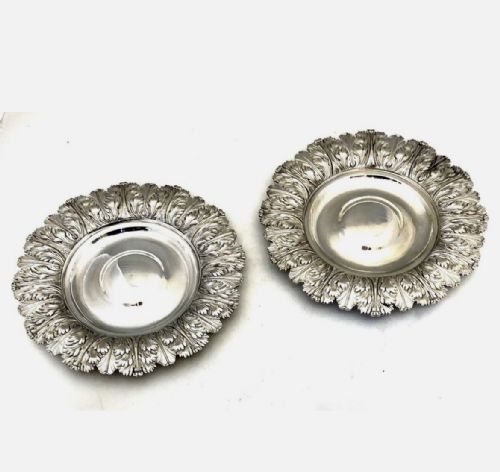
- Charger
- A large decorative plate placed beneath other courses or used independently for display. Examples recorded here feature floral motifs.
- Silver Table
- A specialised table designed for displaying silver tea services or decorative items. The evidence includes Irish examples in mahogany and walnut.
- Alms Dish
- A shallow vessel traditionally used for collecting charitable donations in churches. George IV examples in solid silver demonstrate this liturgical form.
- Pandans
- Small boxes used in South Asia for holding betel leaf preparations. They appear here in handmade silver plated formats dating to the nineteenth century.
Silver Carving Dish: Frequently Asked Questions
What is a meat dome used for?
A meat dome covers joints of meat on the dining table to retain heat during a meal.
They sit upon large trays or warming dishes and often feature substantial handles for lifting.
How do I identify a Georgian silver table?
Georgian silver tables are typically constructed from dense timbers such as mahogany or walnut. They exhibit period specific joinery and proportions suited to eighteenth century interiors.
Inspect the timber grain and structural framing to confirm the period.
What is Old Sheffield plate?
Old Sheffield plate is an early form of composite metal made by fusing a thin sheet of silver to a thicker copper base. This technique preceded modern electroplating methods.
Pieces from this tradition show durability and distinct coloration along exposed edges.
How should I care for silver mounted horn bowls?
Keep horn and silver items away from direct heat sources and sudden temperature changes to prevent the natural material from splitting. Clean the silver mounts gently with a specialist cloth without touching the horn.
Hand wash only when necessary and dry thoroughly immediately after.