

Silver Candle Centrepiece
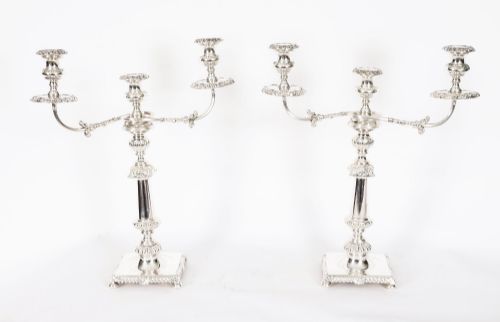
A silver candle centrepiece anchors a dining table with branching candelabras, candelabras, and candlesticks designed to illuminate communal gatherings.
Silver Candle Centrepiece
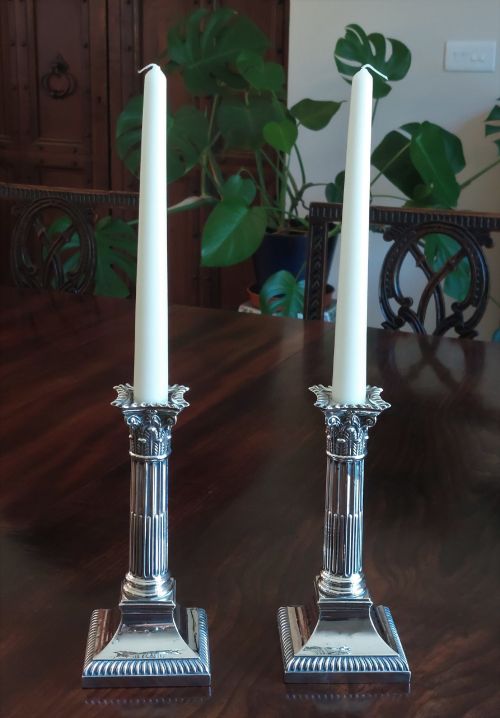
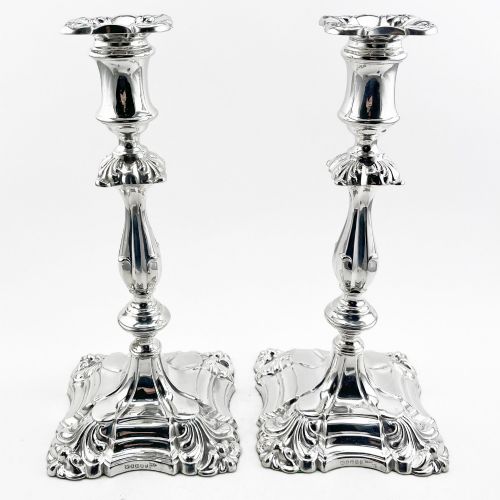
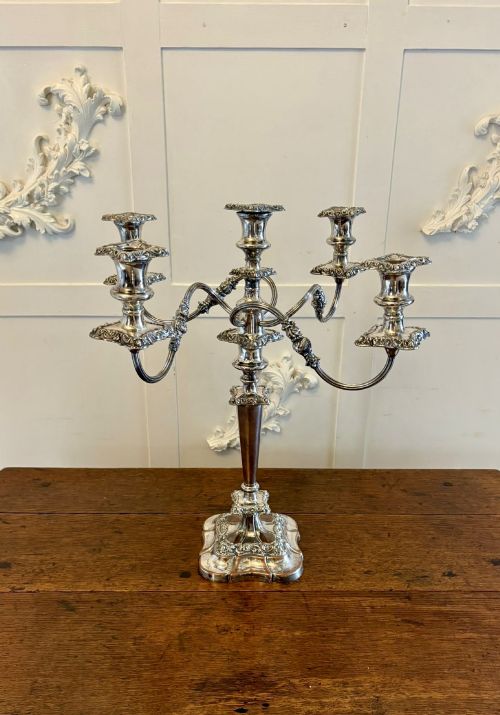
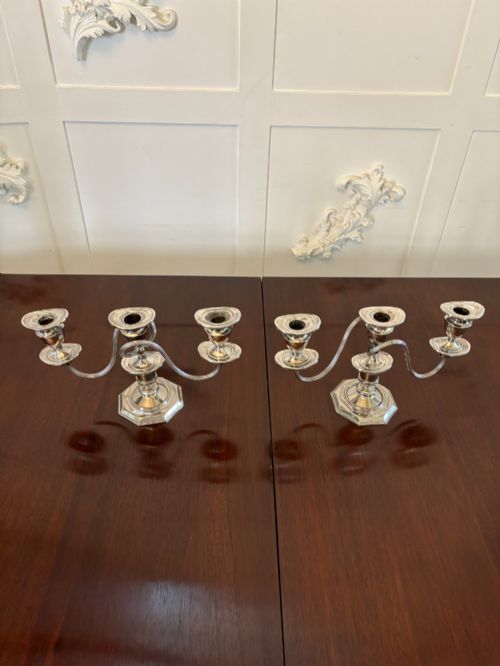
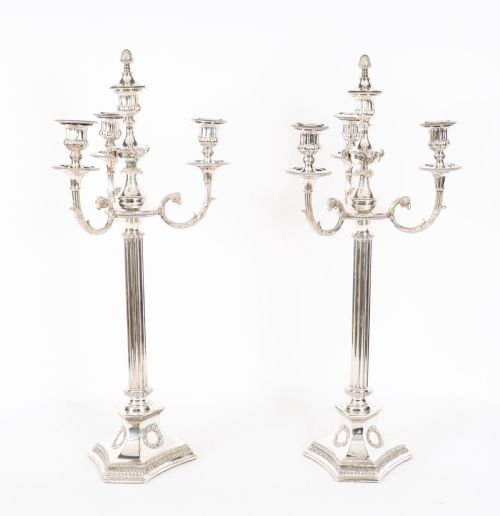
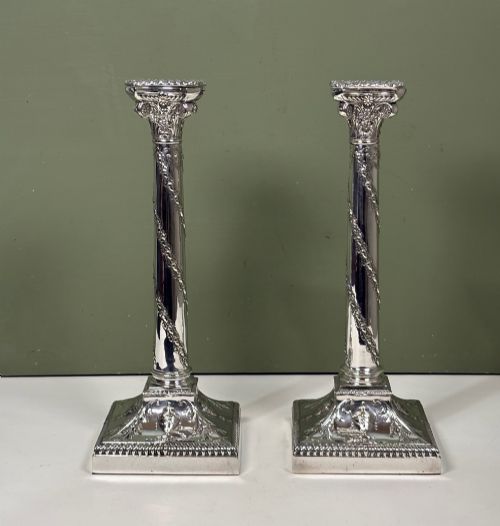
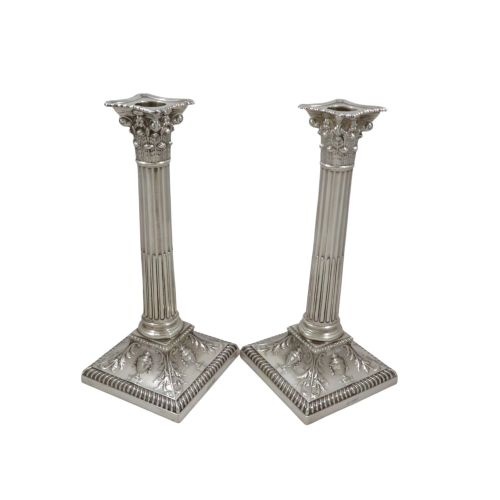
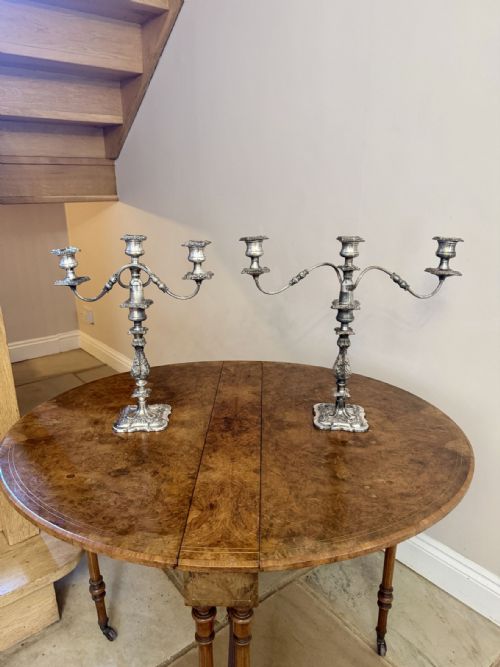
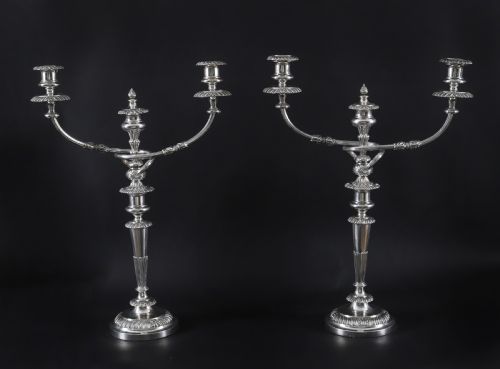
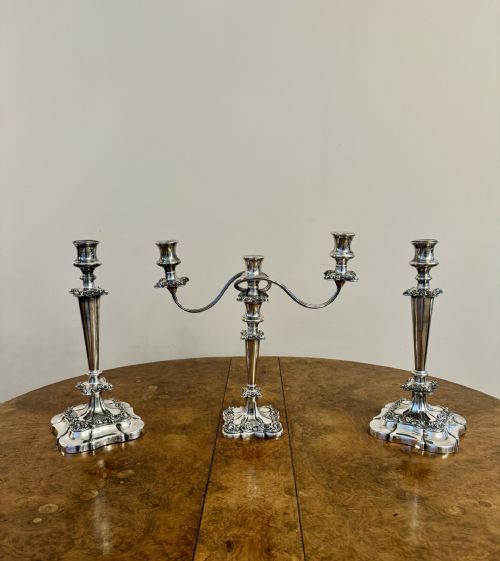
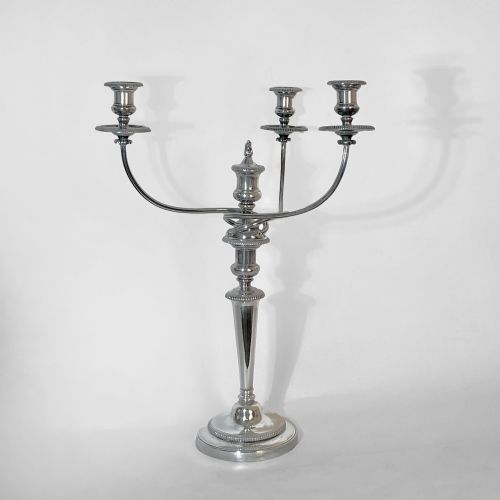
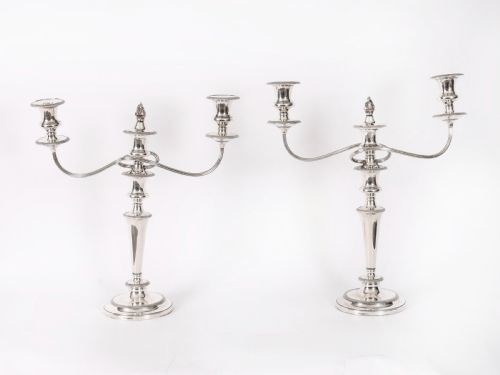
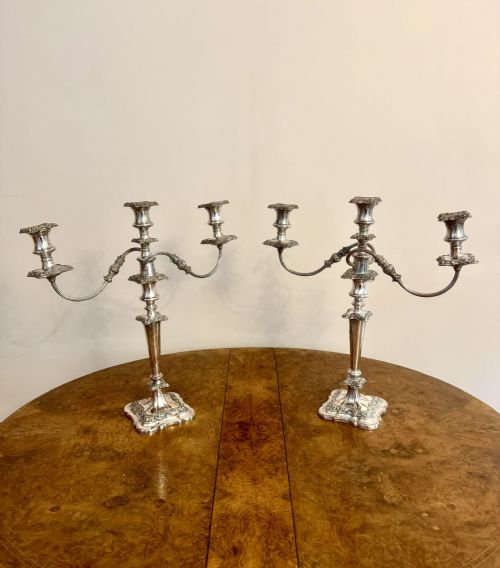
A silver candle centrepiece brings height and structural presence to a dining table or mantlepiece, taking the form of multi-branch candelabras or single candlesticks. These items span from George III and Regency periods through Victorian, Edwardian, and mid-century eras, reflecting changing domestic dining rituals.
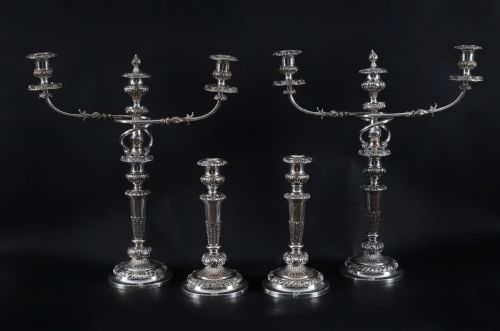
The most common examples on this page are silver plated and electroplated nickel silver candelabras and candlesticks from the nineteenth and early twentieth centuries. Pieces range from simple pairs to large suites incorporating detachable sconces, matching dishes, and multi-light branches.
How They Were Made
Silversmiths used sterling silver and copper bases covered in silver plate or Old Sheffield plate, alongside electroplated nickel silver and EPNS. Manufacturing techniques involved casting, sheet rolling, and silver plating over base metal cores.
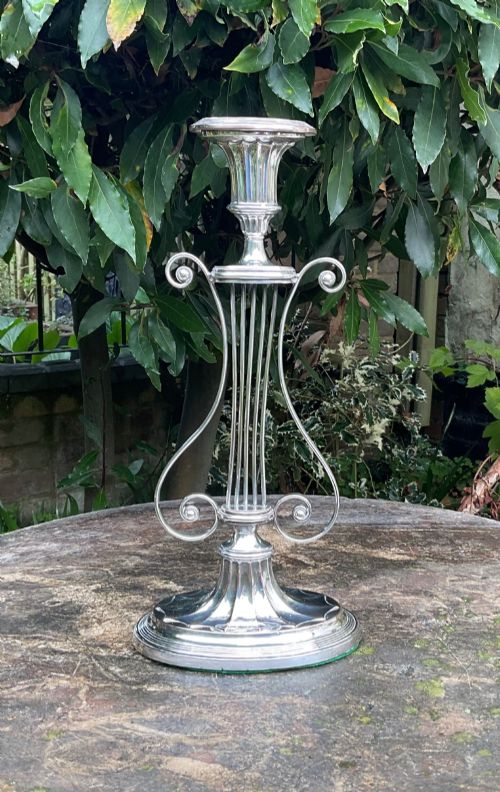
Ornamentation drew upon Neoclassical, Classical Revival, and Rococo Revival repertoires, applying chased details, cast figural elements, and lyre motifs to the shafts and drip pans.
Silver Candle Centrepiece Retail Price Guide 2026
Typical asking prices for silver candle centrepiece among the pieces listed under this phrase on Sellingantiques today, from the lower quarter to the upper quarter. They describe what is for sale here now, not the wider market.
Cricket fans take note: Clarke's Cricklite systems brought miniature shaded candles onto dining tables during the Victorian era.
What Varies in Quality
Quality rests upon the crispness of the cast ornamentation and the thickness of the silver or plate applied to the underlying metal. Substantial weight, balanced proportions, and intact structural joins separate standard domestic wares from exceptional commissions.
Maker attribution and the completeness of matched suites, such as four-piece candelabra sets with original detachable sconces, distinguish higher-tier examples.
Garrard & Co·Matthew Boulton·Elkington·Barker Ellis·James Dixon & Sons
The Silver Candle Centrepiece Glossary
- Candelabra
- A branched candlestick holder designed to support multiple candles simultaneously. These pieces often feature removable branches to convert into single candlesticks.
- Old Sheffield Plate
- A fused composite material made by melting a sheet of sterling silver onto a thicker copper base. This early technique produces a rich surface quality distinct from later electroplating.
- Sconces
- The removable nozzle or pan fitted at the top of a candle holder to catch melting wax. Detachable sconces facilitate cleaning and routine maintenance.
- EPNS
- Electroplated Nickel Silver, a common base metal composition coated with a thin layer of silver through an electrical process. This method gained widespread adoption during the Victorian era.
- Rococo Revival
- A decorative style characterised by asymmetrical scrolls, naturalistic floral motifs, and shell work. This aesthetic frequently appears on nineteenth-century candelabras.
Silver Candle Centrepiece: Frequently Asked Questions
What is a silver candle centrepiece?
A silver candle centrepiece is a table arrangement designed to hold multiple candles, combining candlesticks and branching candelabras into a unified display.
These objects traditionally occupied the middle of dining tables to provide illumination during formal meals.
How do I date a silver candelabrum?
Dating relies on stylistic motifs, manufacturing methods, and any accompanying hallmarks or maker stamps stamped into the metal.
Sheffield plate and early cast designs typically point to the eighteenth or early nineteenth centuries, while electroplated wares generally indicate the Victorian period or later.
What are detachable sconces used for?
Detachable sconces sit at the top of the candle arms to catch dripping wax during use.
They allow for easy cleaning without needing to move the entire heavy candelabrum structure.
How were these pieces used historically?
Historically, they provided essential dining room lighting before the widespread adoption of electricity.
They also served as decorative status symbols for hosting dinner parties and entertaining guests.