




Silver Bronze Light Fixture
A silver bronze light fixture brings grand proportions and reflective metallic lustre to a room, offering period charm through French and English designs.
Silver Bronze Light Fixture
A silver bronze light fixture encompasses multi-arm chandeliers, hanging lanterns, and wall lights originating primarily from France alongside nineteenth-century English examples. These decorative fittings draw on French Neoclassical, Louis XVI, Rococo, and Grand Regency styles to create striking focal points.
Most examples found here date from the early decades of the twentieth century, specifically between nineteen-ten and nineteen-thirty, with earlier nineteenth-century representatives appearing as grand fifteen-light chandeliers. Buyers will frequently encounter multi-light configurations holding anywhere from five up to fifteen lights.
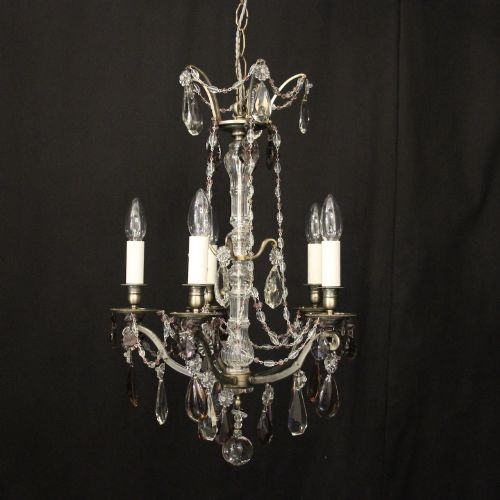
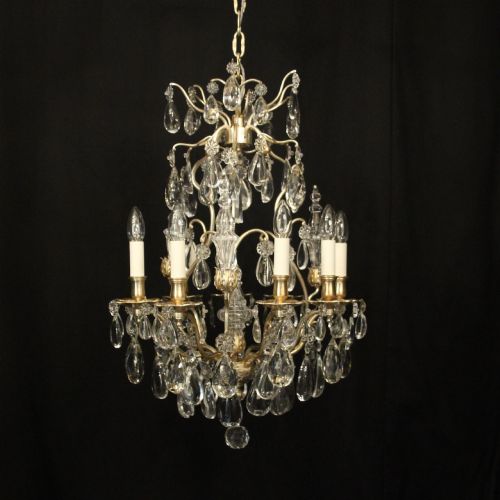
Forms range from large silver gilded bronze lanterns to twin-arm wall lights and substantial chandeliers adorned with crystal drops. The unifying thread is the use of silvered or gilded bronze and metal finishes designed to catch and amplify the glow of interior illumination.
How they were made
Maker workshops utilised cast bronze and metal frameworks, applying silver leaf, silver gilt, or plating to achieve a luminous surface finish. These metallic structures were then combined with transparent glass components and cut crystal drops to refract light across the room.
Arm configurations and decorative mounts reflect traditional foundry techniques, where structural metal components were cast, chased, and assembled by hand. Crystal elements and glass shades were integrated into the metal frames to complete the multi-light fixtures.
Silver Bronze Light Fixture Retail Price Guide 2026
Typical asking prices for silver bronze light fixture among the pieces listed under this phrase on Sellingantiques today, from the lower quarter to the upper quarter. They describe what is for sale here now, not the wider market.
Listings feature pieces spanning the nineteenth century up to nineteen-thirty, predominantly showcasing French Neoclassical, Rococo, and Grand Regency styles.
What varies in quality
Quality reveals itself in the crispness of the bronze casting and the depth of the silver gilding applied to the metal armature. Finer pieces display meticulous hand-chasing on the mounts and incorporate high-grade cut crystal rather than simple pressed glass.
The overall architectural proportion and the harmony between the metal frame and the lighting capacity dictate the distinction between standard workshop production and exceptional decorative pieces.
The Silver Bronze Light Fixture Glossary
- Silvered bronze
- A bronze metal base treated with a silver finish or leaf to provide a reflective surface. This treatment creates a cooler metallic tone than traditional gilt bronze.
- Silver gilded
- Coated with a thin layer of silver leaf or gilt to give a bright, reflective appearance. It combines the warm texture of gilding with the distinct hue of silver.
- Chandelier
- A branched ornamental light fixture suspended from the ceiling. These pieces hold multiple candle or bulb points, often enhanced with crystal drops.
- Wall light
- A lighting fixture fixed directly to a vertical wall surface. Examples often feature twin arms echoing the design motifs of larger chandeliers.
Silver Bronze Light Fixture: Frequently Asked Questions
What periods do these light fixtures come from?
The selection spans from the nineteenth century through to the nineteen-thirties. Pieces predominantly originate from French workshops operating in the early decades of the twentieth century.
Earlier nineteenth-century examples tend to feature larger fifteen-light configurations, whereas nineteen-twenties and nineteen-thirties pieces often showcase refined French revival styles.
How do I care for silvered metal surfaces?
Silvered and silver-gilded bronze requires gentle dusting with a soft, dry cloth to prevent the accumulation of grime. Avoid abrasive cleaners or harsh chemical polishes that can wear away the delicate silver layer.
Crystal drops can be cleaned carefully with a mild glass cleaner applied to a cloth rather than sprayed directly onto the metal framework.
What styles are most common in this category?
French Neoclassical, Louis XVI, and Rococo Revival styles dominate the selection. These designs incorporate symmetrical proportions, classical motifs, and ornate casting details.
Grand Regency and general French Chateau aesthetics also appear, offering varied ornamentation from scrolling arms to elaborate crystal draping.