
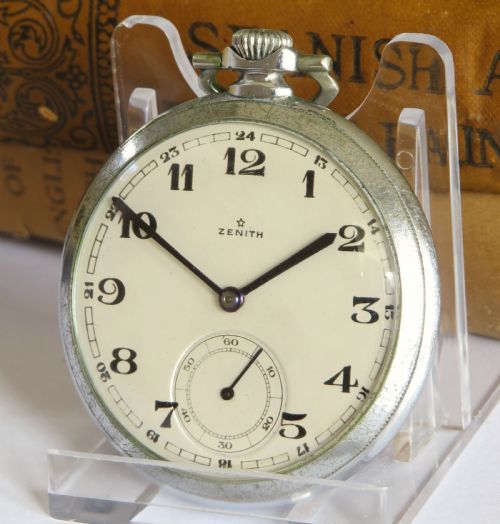


Silver Art Deco Timepiece
A silver art deco timepiece brings geometric precision and mechanical elegance to a desk, mantel or pocket.
Silver Art Deco Timepiece
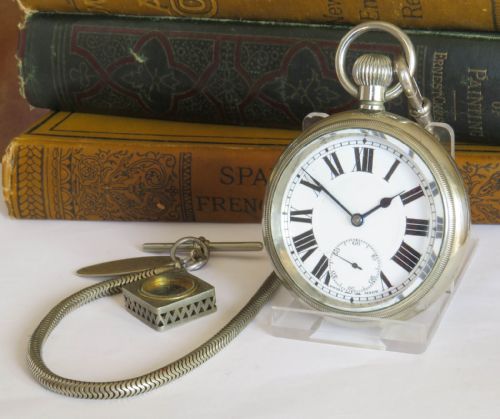
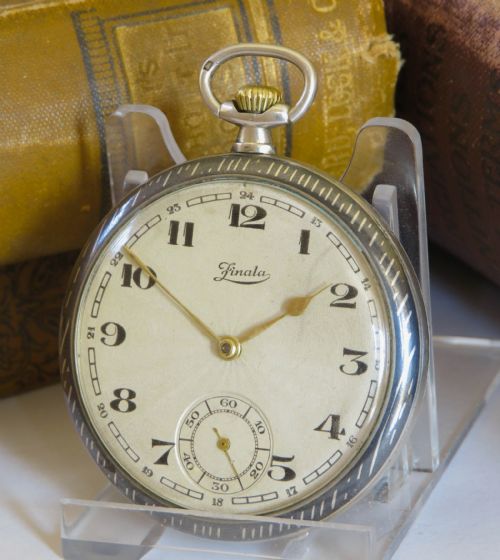
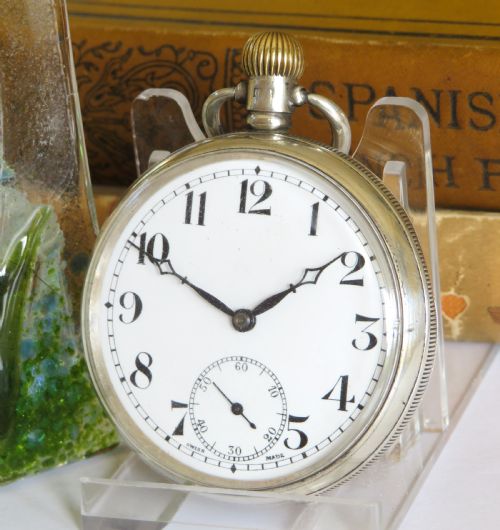
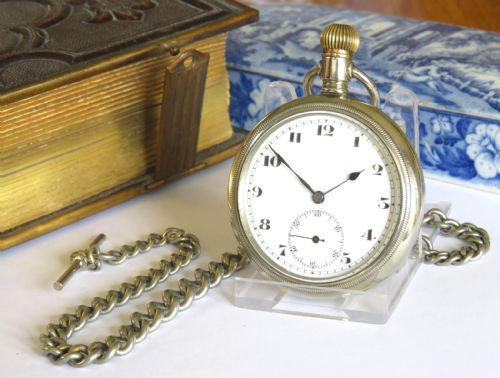
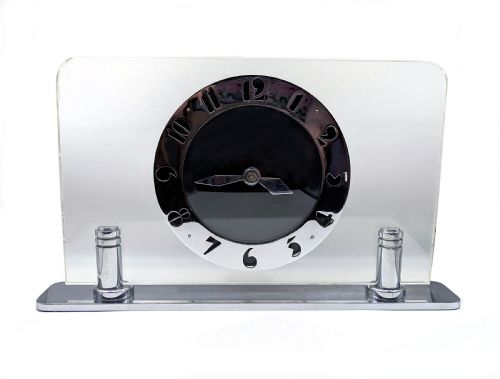
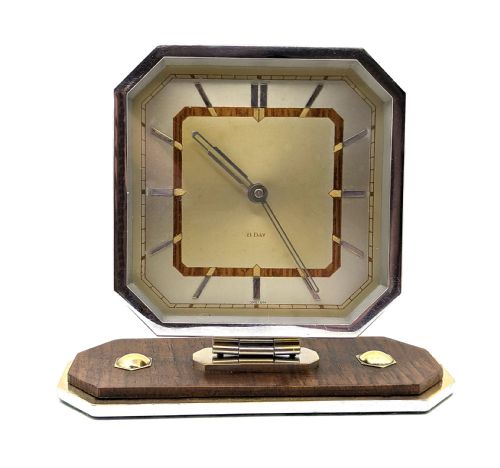
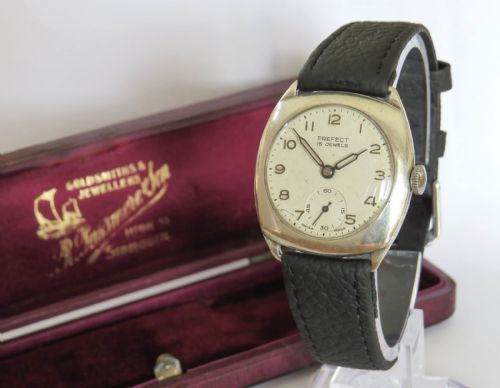
A silver art deco timepiece represents the intersecting functional and aesthetic priorities of the early twentieth century. Buyers seeking a silver art deco timepiece will encounter pocket watches, desk clocks, mantel clocks and wristwatches originating predominantly from the nineteen twenties and nineteen thirties.
The objects span domestic, travel and personal timekeeping formats. Desk clocks often utilise easel backs or folding travel cases, while pocket watches frequently incorporate chains, fobs and compasses.
Materials and construction
The physical structure relies on metals including silver, chrome, brass, stainless steel and platinum, paired with glass and leather components. Enamel work, specifically guilloche enamel, adds coloured detail to miniature timepieces and dials.
Movements are housed within solid silver cases or chrome-plated frames. Mechanical construction involves manual wind and eight-day movements produced by established makers and clockmakers.
Listings span the period from nineteen hundred through nineteen fifty, with the nineteen thirties representing the highest concentration of items.
Determinants of quality
Quality rests upon the execution of the modernist or art deco design and the reputation of the maker or retailer. Pieces associated with notable firms or signed movements display superior finishing on dials, bezels and cases.
The standard of materials, such as heavy solid silver casing versus chrome plating, alters the substantial feel of the object. Intricate details like niello work or applied enamel distinguish finer examples from standard production.
Silvana·Smiths Clockmakers·Mauthe·Mappin and Webb·Harrods of London·Asprey·Elgin·Zenith·Cyma·Bulova·Bayard·Blangy
The Silver Art Deco Timepiece Glossary
- Art Deco
- A design style characterised by geometric shapes, stylised motifs and modernist symmetry that dominated the nineteen twenties and nineteen thirties.
- Guilloche enamel
- A decorative technique involving precise, intricate patterns engraved beneath a translucent enamel coating.
- Strut clock
- A timekeeper supported by a hinged prop or easel on the reverse for desk or mantel display.
- Chronograph
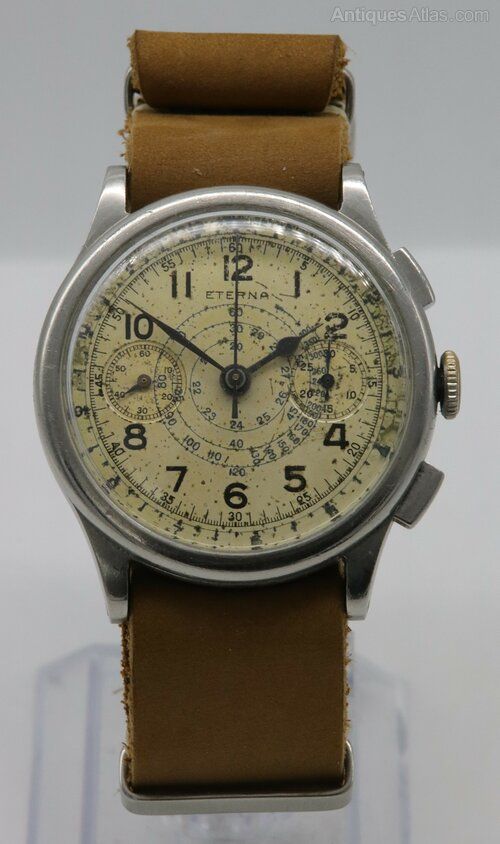
- A watch that combines a timekeeping function with a stopwatch mechanism via independent seconds hands.
- Niello
- A black metallic alloy used as an inlay on engraved metal, particularly silver, to highlight contrasting patterns.
Silver Art Deco Timepiece: Frequently Asked Questions
How do I wind an eight day desk clock?
Eight day clocks require manual winding using a key or built-in mechanism roughly once a week to maintain tension in the mainspring. Over-winding can damage the internal components, so stop turning when resistance increases.
Ensure the clock rests on a level surface to keep the escapement beating evenly. Consistent placement prevents erratic timekeeping.
How do I care for guilloche enamel?
Keep enamel timepieces away from direct sunlight and high temperatures to prevent fading or cracking of the glass-like coating. Clean the surface gently with a soft, dry cloth without harsh chemical solvents.
Avoid submerging antique cases in water, particularly folding travel clocks with leather or fabric linings. Moisture degrades historic adhesives and internal metals.
What is the difference between a desk clock and a travel clock?
Desk clocks are built for stationary display, often featuring solid silver easel stands or heavy metal frames designed to sit permanently on furniture. Their structures prioritise decorative presence over portability.
Travel clocks incorporate protective folding cases, sliding shutters or leather folios to shield the dial and glass during transit. Their movements are engineered to withstand movement.