



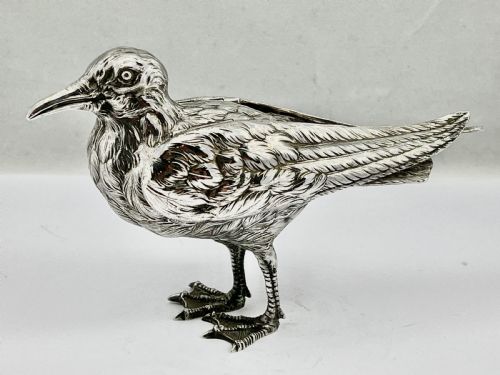

Silver Animal Model
These silver animal model pieces bring character to a room, cast and worked into birds, foxes, and horses.
Silver Animal Model
A silver animal model sits on a desk, shelf, or table as a decorative figurine or ornament. When searching this phrase, a buyer meets various creatures ranging from domestic birds to wild predators.
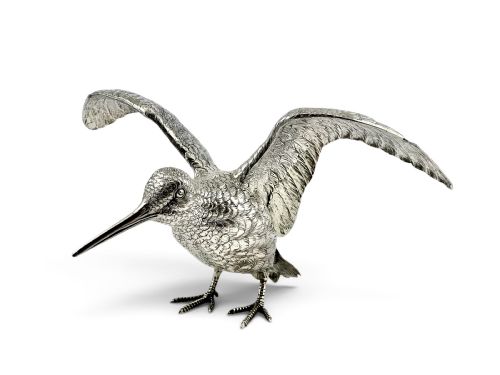
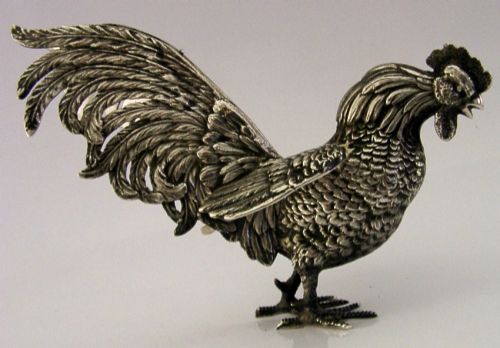
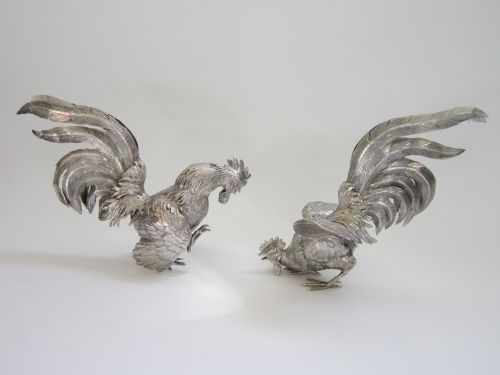
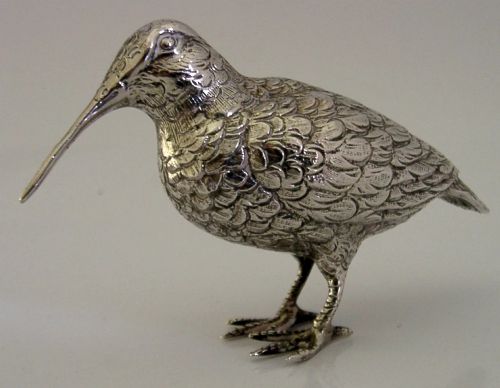
The selection on this page leans heavily toward mid-century figures alongside Victorian and Edwardian examples. Forms include cockerels, woodcocks, walruses, lions, foxes, and horses created as decorative sculptures.
Origin points span British, Continental, German, Italian, and European workshops. Pieces function primarily as table ornaments or display sculptures rather than utilitarian items.
How they were made
Silversmiths formed these models using sterling silver, solid silver, and silver gilt. Continental standards such as 830 silver and 833 silver appear frequently across European workshops.
Silver Animal Model Retail Price Guide 2026
Typical asking prices for silver animal model among the pieces listed under this phrase on Sellingantiques today, from the lower quarter to the upper quarter. They describe what is for sale here now, not the wider market.
Listings feature sterling silver, 830 silver, and 833 silver across mid-century, Victorian, and Edwardian periods.
What varies in quality
The distinction between average and superior models rests on anatomical accuracy and the crispness of surface tooling. Better pieces capture the natural posture and texture of the subject with convincing realism.
Weight and substance also separate grades, as heavier castings provide a more substantial feel in the hand. Maker signatures or specific town marks add distinction to individual sculptures.
Mario Bucellati
The Silver Animal Model Glossary
- Sterling silver
- A silver alloy containing a specific high proportion of pure silver by mass. This standard is common in British and international silversmithing.
- Silver gilt
- Silver that has been coated with a thin layer of gold on its surface. This technique produces a rich golden finish over the underlying silver.
- Hanau
- A German town historically known for its metalworking and silver production. Many decorative figures were manufactured here for export.
- Table ornament
- A decorative object designed to sit on furniture without a practical function. These pieces served to adorn rooms in period interiors.
- Figurine
- A small statuette representing a human or animal figure. In this context, the term applies specifically to metal models of wildlife and domestic animals.
Silver Animal Model: Frequently Asked Questions
What are silver animal models?
These are decorative sculptures cast in silver to represent birds, fish, and mammals. They were produced in various sizes to sit on tables, desks, and mantelpieces.
Craftsmen across Britain and continental Europe shaped them from solid silver, sterling silver, and silver gilt. Each piece captures the likeness of a specific creature.
How were table ornaments used?
Victorian and mid-century households placed these figures on dining tables, sideboards, and display cabinets as conversation pieces. They reflected a taste for natural history and country pursuits.
Owners often collected specific animals or matched them to hunting and sporting themes. Their primary role was visual enrichment of the interior.
How do I date an antique model?
Dating relies on hallmarks, maker stamps, and stylistic traits associated with specific decades. Edwardian and Victorian pieces carry distinct assay marks that indicate the year and place of origin.
Mid-century examples often show cleaner modern lines or reflect specific regional European manufacturing styles. Comparing the finish and weight helps place the object in its era.
Are all models solid silver?
Most pieces listed are made from solid silver, sterling silver, or specific continental silver standards such as 830 and 833 silver. Some exceptional examples feature silver gilt finishes.
Weights vary considerably depending on the size and thickness of the casting. Heavier models use more metal to achieve a solid presence.
How do I care for silver models?
Silver requires gentle dusting and occasional cleaning with a soft cloth to maintain its appearance. Avoiding harsh abrasive polishes preserves fine surface details like feathers and fur.
Keeping the pieces in stable indoor conditions prevents excessive tarnishing. Proper placement away from direct heat protects the metal finish.