



Silver and Pearl Knife
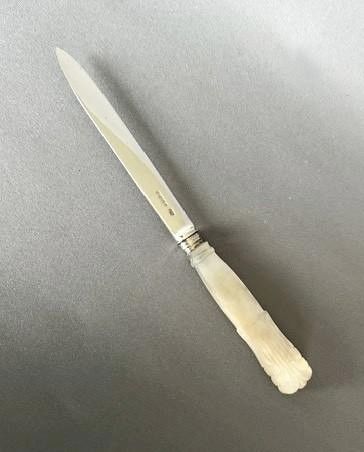
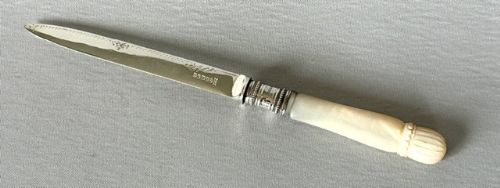
These silver and pearl knife pieces combine lustrous mother-of-pearl handles with gleaming silver blades, offering a tactile elegance that elevates any dining table.
Silver and Pearl Knife
A silver and pearl knife search reveals a diverse selection of dining implements, desk accessories, and fruit cutlery designed for both domestic utility and display. The pieces span multiple eras including Georgian, Victorian, Edwardian, and the early twentieth century.
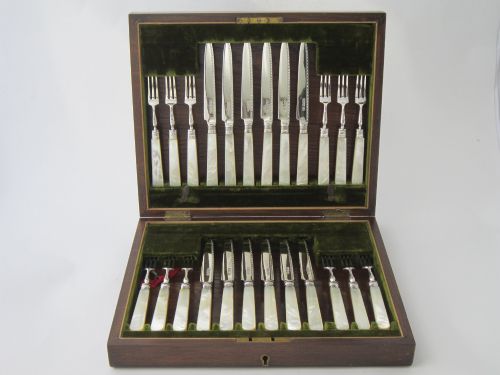
Buyers frequently encounter fruit knives, letter openers, and butter knives alongside larger cased dessert sets and serving cutlery. Materials range from sterling silver and silver plate to mother-of-pearl, steel, wood, and velvet linings within fitted boxes.
Origins stretch across English workshops and nineteenth-century European makers, encompassing items like folding pocket knives, pierced butter dishes with knives, and boxed knife rest sets. Each form reflects the specific social rituals of its period, from formal dessert courses to correspondence.
Materials and Construction Techniques
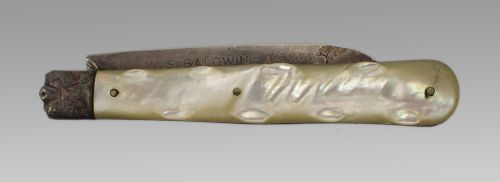
Makers utilised natural mother-of-pearl for handles, shaping the iridescent nacre to fit comfortably in the hand while securing it to metal tangs with tiny pins. Blades and mounts were fashioned from solid sterling silver, silver plate, or steel.
Surface decoration often involved delicate piercing, engraving, and casting, particularly on fruit serving knives and letter openers. Fitted presentation cases lined with velvet or wood safeguarded these delicate dining sets.
Silver and Pearl Knife Retail Price Guide 2026
Typical asking prices for silver and pearl knife among the pieces listed under this phrase on Sellingantiques today, from the lower quarter to the upper quarter. They describe what is for sale here now, not the wider market.
Listings feature items spanning from the eighteenth century through the Edwardian era, incorporating mother-of-pearl, sterling silver, silver plate, steel, and wood.
Assessing Quality and Craftsmanship
Quality rests in the crispness of the blade engraving, the secure fit of the pearl scales against the metal bolster, and the retention of original gilding where silver gilt is present. Superior items maintain a balanced weight and smooth action in folding mechanisms.
The integrity of the mother-of-pearl, free from heavy fractures or warping, distinguishes finer examples from heavily worn domestic utensils. Original fitted boxes and complete sets further elevate the standing of the pieces.
The Silver and Pearl Knife Glossary
- Mother-of-Pearl
- An iridescent internal layer of shells, principally oyster and mussel, prized for knife handles and decorative inlays. Its natural shimmer varies in depth across different pieces.
- Sterling Silver
- An alloy containing ninety-two point five percent silver by mass, standard in British silver manufacturing. It provides durability and a bright finish for blades and mounts.
- Fruit Knife
- A small pocket or table implement designed specifically for slicing acidic fruits to prevent staining standard steel blades. Silver and pearl versions were status symbols at the Victorian table.
- Silver Gilt
- Silver that has been coated with a thin layer of gold on its surface. This technique adds warmth and protects the underlying metal from tarnishing.
- Knife Rest
- A small architectural support placed beside a plate to keep used cutlery elevated above the tablecloth. Sets often paired silver mounts with mother-of-pearl bars.
Silver and Pearl Knife: Frequently Asked Questions
Can I use these antique knives daily?
Light use for soft foods like fruit or butter is generally acceptable if handled with care.
Frequent washing and heavy cutting will accelerate wear on nineteenth-century joints and delicate pearl scales.
What is silver gilt?
Silver gilt is solid silver that has undergone a process of being coated in a thin layer of gold.
This finish was frequently applied to dessert cutlery sets to prevent acidic foods from reacting with the silver.
How do I date a silver fruit knife?
Check the blade and bolster for Hallmarks indicating the assay office, standard, and date letter.
Stylistic cues such as the shape of the pearl handle and box construction also help narrow the period.