






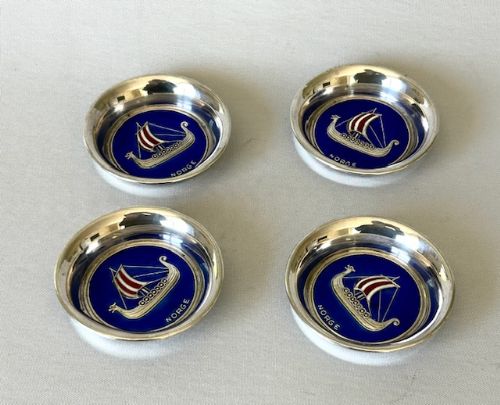


Silver and Enamel Trinket
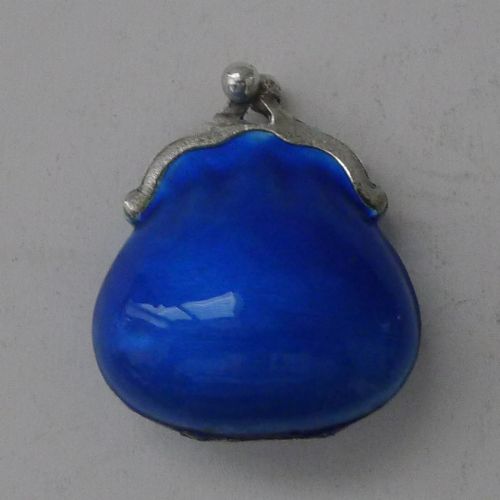
A silver and enamel trinket brings together precious metal and coloured vitreous glass, offering a miniature receptacle for small valuables that captures the aesthetic of its decade.
Silver and Enamel Trinket
When you search for silver and enamel trinket, you encounter small decorative containers intended for vanity tables, waistcoats, and desks. These pieces range from tiny pill boxes and rouge pots to larger jewellery boxes and dressing table jars.
The objects appearing on this page originate from periods spanning the nineteenth century through the mid-twentieth century. Styles include Edwardian, Art Nouveau, Arts and Crafts, Art Deco, and Mid-Century Modern designs.
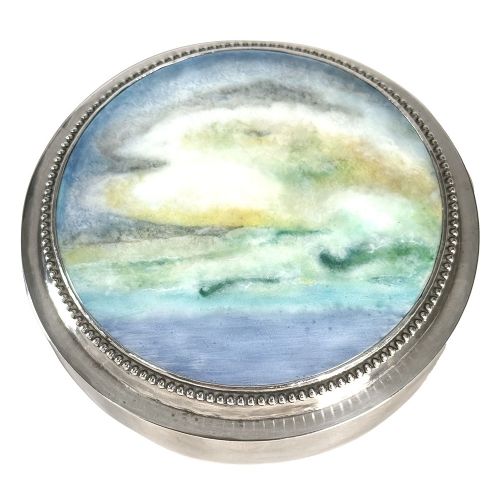
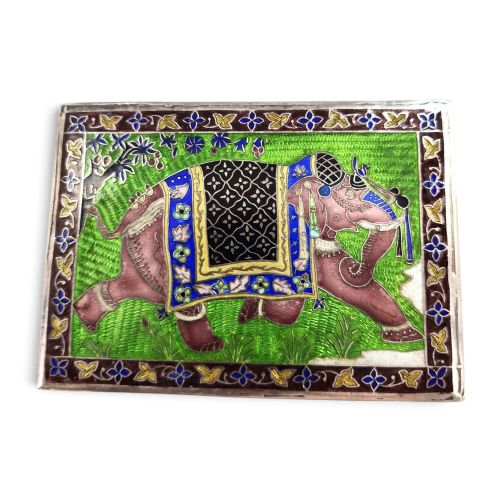
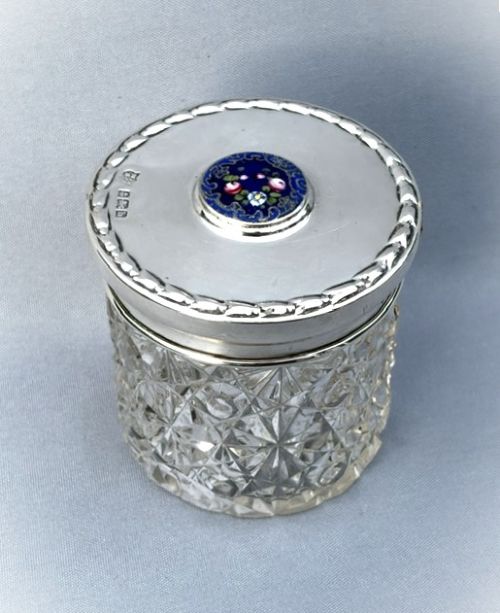
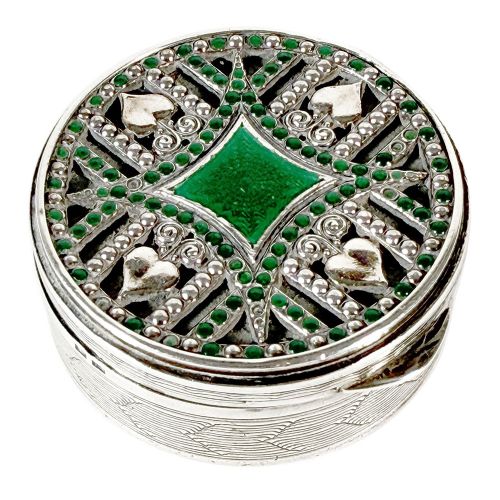
Common forms combine sterling silver mounts with glass or wooden bodies, whilst others are constructed entirely from silver with detailed enamel panels on the lid. Origin locations include England, Austria, Italy, Russia, Spain, and Norway.
How they were made
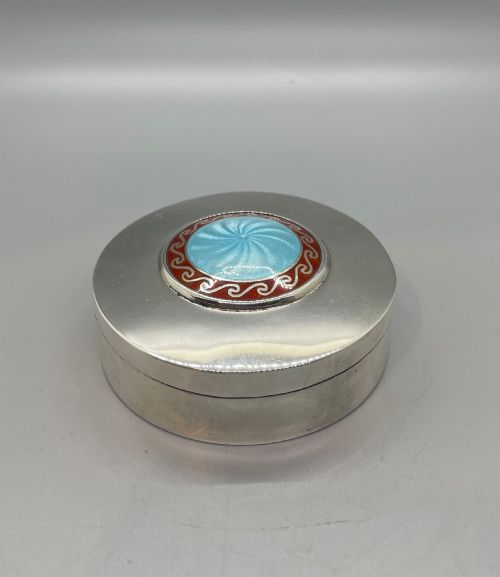
Maker workshops joined sterling silver or silver-gilt with vitreous enamel, applying powdered glass to metal surfaces and firing them in a kiln to achieve a smooth, glossy finish. Many English and continental pieces utilise guilloche enamel, where an engine-turned pattern beneath translucent enamel creates geometric light effects.
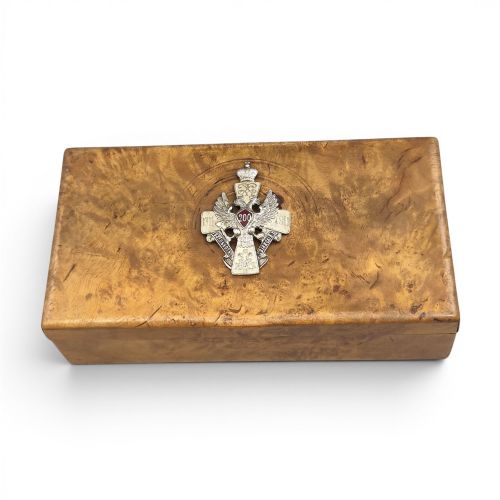
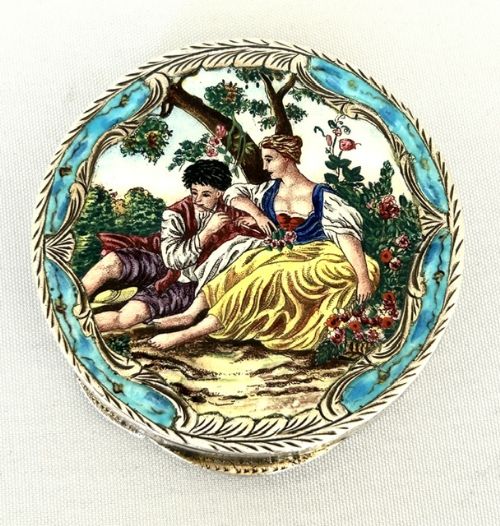
Other examples integrate cut glass, cranberry glass, green glass, or carved Karelian birch and wood bodies fitted with hallmarked silver lids and mountings. Arts and Crafts boxes incorporate beaten and rivetted metalwork alongside cloisonne or landscape enamel plaques.
Silver and Enamel Trinket Retail Price Guide 2026
Typical asking prices for silver and enamel trinket among the pieces listed under this phrase on Sellingantiques today, from the lower quarter to the upper quarter. They describe what is for sale here now, not the wider market.
Listings feature silver and enamel trinket pieces spanning the Edwardian, Art Nouveau, Art Deco, and Mid-Century Modern periods.
What varies in quality
Quality rests upon the precision of the silver smithing and the complexity of the enamel work. Hand-engraved guilloche patterns and shaded cloisonne designs demonstrate greater artisan skill than stamped metal mounts and flat, opaque enamel.
The integrity of the enamel surface dictates the standard of the piece, as finer examples maintain unblemished vitreous layers free from chips or extensive hairline fractures. Maker attributions and legible town or date hallmarks on the silver further distinguish standard production items from distinguished workshop output.
Guild of Handicrafts·Henry Clifford Davis·George Adam Scheid·Khlebnikov
The Silver and Enamel Trinket Glossary
- Guilloche enamel
- A decorative technique where the metal substrate is mechanically engraved with a precise repeating geometric pattern before a translucent enamel layer is applied over the top. This allows light to reflect through the colour and reveal the underlying texture.
- Vitreous enamel
- A material made by fusing powdered glass to a metallic substrate at high temperatures through firing. The resulting compound creates a durable, glossy coloured surface impervious to ordinary wear.
- Sterling silver
- An alloy consisting of silver and other metals, usually copper, proportioned to ensure structural durability whilst maintaining a high silver purity standard. British items typically bear standard hallmarks indicating this composition.
- Silver-gilt
- Silver objects that have been coated with a thin layer of gold over the exterior or interior surfaces. This technique is often found on Russian and continental boxes to provide a rich golden contrast against enamel work.
- Cloisonne
- An ancient metalwork technique where thin metal wires are soldered to a base plate to create partitioned cells filled with enamel paste before firing. The resulting design outlines distinct coloured sections within the metal framework.
Silver and Enamel Trinket: Frequently Asked Questions
What is a silver and enamel trinket used for?
These small vessels were designed to hold personal items such as pills, rouge, stamps, or small pieces of jewellery. Dressing table jars held cosmetics or pins, whilst pocket boxes accompanied attire for daily use.
Today, they function as decorative display objects on dressing tables or sideboards, and remain suitable for storing modern rings and cufflinks.
How do I identify the period of a piece?
Hallmarks stamped on the silver mounts provide the most reliable indication of date and origin, often revealing the assay office, city, and year of manufacture. Stylistic indicators also help, such as geometric guilloche patterns pointing to the Art Deco era or flowing floral motifs suggesting Art Nouveau.
Material combinations can also narrow down the era, as heavy cut glass and distinct colour palettes frequently align with Edwardian or mid-century design movements.
Are enamel boxes fragile?
Vitreous enamel is essentially glass fused to metal, which means it can chip or crack if subjected to sharp impacts or dropped onto hard surfaces. Normal handling during daily use or display poses little threat, but care is needed when cleaning.
Silver components may tarnish over time and require gentle polishing, avoiding abrasive cleaning agents that might scratch the surrounding enamel panels.
What is guilloche enamel?
Guilloche is a decorative technique involving mechanical engraving of metal to create intricate, repeating geometric patterns. When translucent enamel is fired over this engraved surface, the light reflects off the cuts to produce a shimmering depth.
This method was widely utilised on vanity jars and pill boxes during the early twentieth century by silversmiths across Europe.