





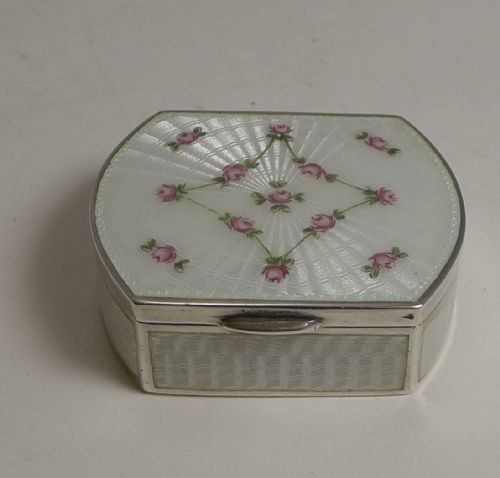

Silver and Enamel Container
These silver and enamel container pieces combine precious metalwork with fused glass decoration, offering small decorative storage for the dressing table or pocket.
Silver and Enamel Container
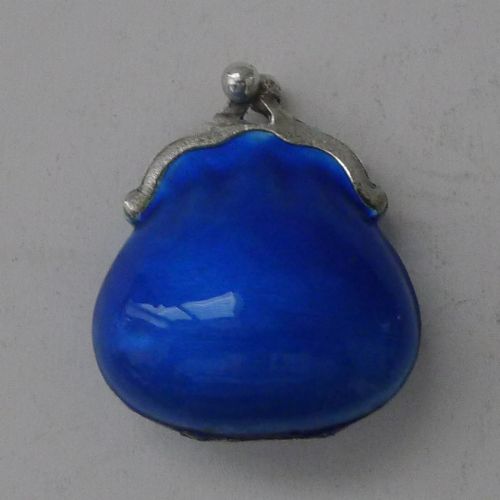
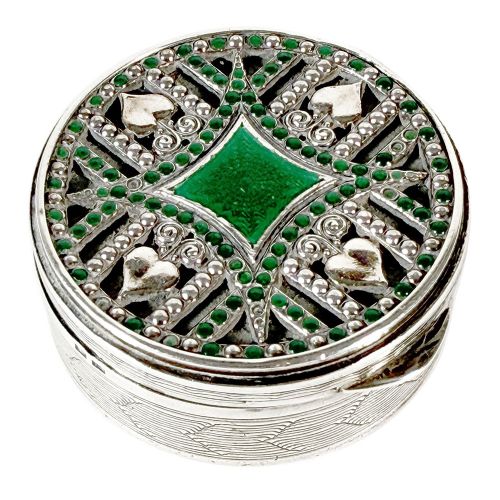
A silver and enamel container encompasses small portable items such as vesta cases, pill boxes, vanity jars, powder compacts, ashtrays, and decorative boxes. These pieces bring together solid silver structures and coloured vitreous glass surfaces to create functional items with ornamental appeal.
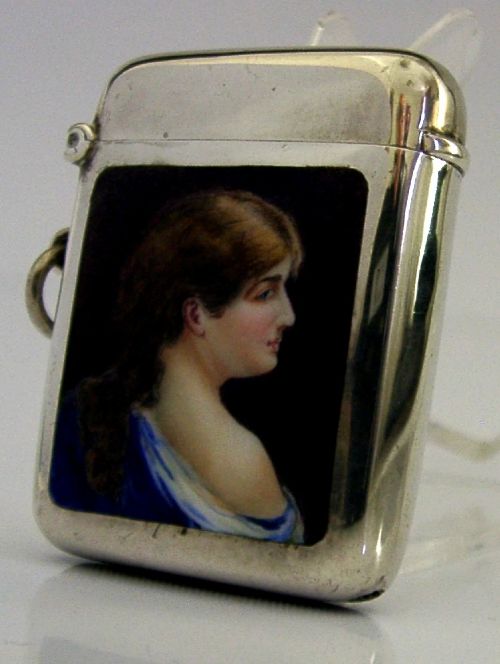
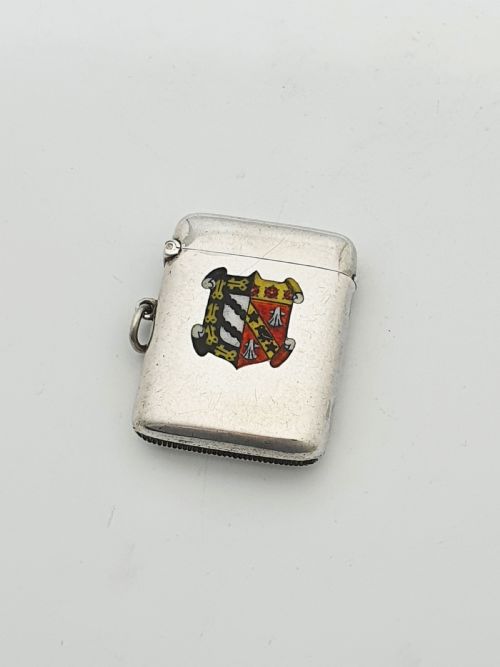
The versions most commonly met across these listings include Edwardian vesta cases, Art Deco guilloche enamel jars, and Chinese Qing Dynasty silver and enamel pieces. They span from the Victorian period through the Edwardian era into the Art Deco years of the 1920s and 1930s.
Makers and workshops across Britain, Austria, and China produced these vessels using sterling silver or standard silver alongside delicate enamel work. Forms range from pocket-sized match holders to lidded dressing table jars and detailed cigarette boxes.
How they were made
Makers formed the structural bodies of these containers using sterling silver or silver alloys, often shaping them into hinged boxes, round jars, or mesh compacts. Glass or jade elements sometimes supplemented the metal body, while suede linings added interior protection to items like compacts.
The surface decoration relies on vitreous enamel, sometimes applied as hand-painted scenes or machine-turned guilloche patterns beneath translucent coloured layers. Metal partitions held the enamel pastes in place before firing in a kiln to fuse the glass to the silver base.
Silver and Enamel Container Retail Price Guide 2026
Typical asking prices for silver and enamel container among the pieces listed under this phrase on Sellingantiques today, from the lower quarter to the upper quarter. They describe what is for sale here now, not the wider market.
Materials recorded across the inventory include sterling silver, vitreous enamel, glass, jade rims, mesh, and suede linings.
What varies in quality
The precision of the metal smithing and the complexity of the enamel work set individual examples apart. Hand-painted detailing and engine-turned guilloche patterns demonstrate greater technical skill than plain enamelling.
The preservation of the fragile glass surface against the silver mount dictates the desirability of a piece. Intact enamel free from chips or extensive hairline fractures distinguishes better-surviving items.
George Adam Scheid·Sampson Mordan·Goldsmith's and Silversmith's Co.·Evans
The Silver and Enamel Container Glossary
- Guilloche
- A decorative technique where a mechanical lathe engraves a precise repetitive pattern onto the silver beneath a translucent enamel layer. This creates geometric shimmering effects visible across many Art Deco jars and boxes.
- Vesta case
- A small pocket container designed to hold matches and keep them dry, usually fitted with a striking strip on the base. Victorian and Edwardian examples often incorporated enamel crests or hand-painted front panels.
- Vitreous enamel
- A material made by fusing powdered glass to a metal substrate through firing at high temperatures. It provides a durable, glossy coloured surface that defines the aesthetic of these containers.
- Mesh compact
- A flexible textile-like fabric formed from interlinked silver rings, commonly used for powder compacts during the 1930s. These pieces often featured enamel frames and internal suede linings.
Silver and Enamel Container: Frequently Asked Questions
How were these containers used historically?
Owners carried items like vesta cases in pockets for lighting matches, or kept pill boxes and compacts close at hand for daily grooming. Lidded jars and decorative boxes sat on dressing tables or desks.
Larger items such as cigarette boxes and ashtrays served in smoking rooms and parlours, combining utility with ornamental display.
How do I identify an Art Deco piece?
Art Deco containers often feature geometric guilloche enamel patterns, machine-turned textures, and streamlined forms typical of the 1920s and 1930s. Makers like Evans and the Goldsmith's and Silversmith's Co. produced work in this distinct style.
They contrast with the more floral motifs of earlier Victorian and Art Nouveau designs found in the Edwardian period.
How should I care for enamel and silver?
Keep these containers away from direct sunlight, moisture, and harsh chemical cleaners to protect the fragile vitreous enamel surface. Gentle cleaning preserves both the glass and the silver mount.
Store them securely to prevent impact damage, as the glass layer can chip if dropped against hard surfaces.