




Silk Shade Lamps
Silk shade lamps bring a warm, diffused glow to a room through combinations of fabric, brass, porcelain, and silver plate.
Silk Shade Lamps
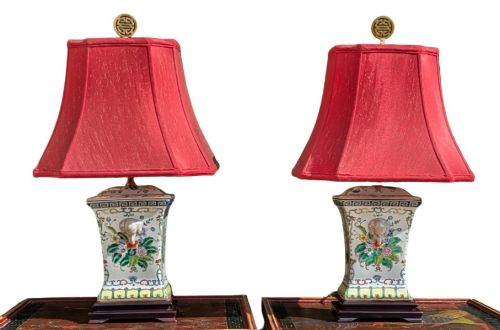
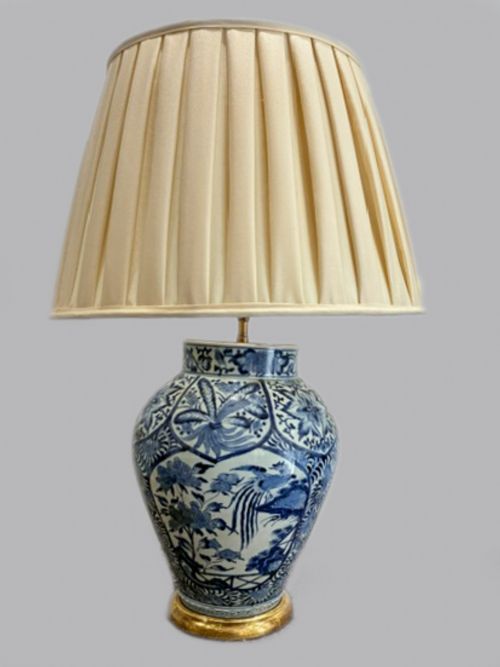
Silk shade lamps encompass table lamps and floor lamps assembled from diverse historical bases paired with soft shades. The selection ranges from nineteenth-century silver plate Corinthian columns to converted seventeenth-century Japanese vases and 1930s Chinese porcelain elephants.
Buyers seeking silk shade lamps encounter pieces spanning the seventeenth through the early twentieth centuries, including Victorian, Neoclassical, Rococo Revival, and Mid-Century Modern styles. Converted antique vases and porcelain figures frequently form the structural base of these designs.
The most common examples on this page pair period ceramic or metal vessels with fabric coverings, uniting centuries of decorative arts into functional domestic lighting.
How they were made
Makers constructed these lamps using durable structural metals such as brass, gilt bronze, ormolu, and silver plate alongside turned wood. Many items began as decorative vessels, including Japanese vases, Satsuma pottery, and Meissen porcelain pieces, which were subsequently adapted for electrical fittings.
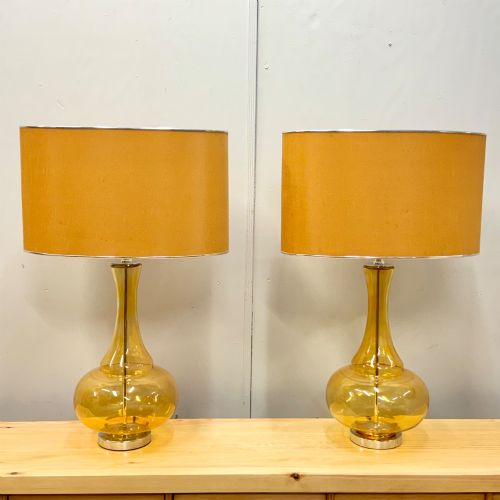
Shades utilise fabric and silk, while bases incorporate amber glass, polished metal, and ceramics. Craftsmanship is visible in the pierced porcelain work, cast bronze details, and the precision of Corinthian column capitals.
Silk Shade Lamps Retail Price Guide 2026
Typical asking prices for silk shade lamps among the pieces listed under this phrase on Sellingantiques today, from the lower quarter to the upper quarter. They describe what is for sale here now, not the wider market.
Listings feature items from the seventeenth, nineteenth, and early twentieth centuries, utilising materials such as amber glass, silver plate, and silk.
What varies in quality
Quality in these lamps rests upon the original integrity of the base vessel and the refinement of its metal mounts. Pieces fashioned from finely cast ormolu or hand-painted Meissen porcelain stand apart from standard pressed brass production.
The conversion process itself dictates value, as professional adaptation preserves the original ceramic or glass body without compromising historical form. Age and provenance further separate standard utilitarian lighting from converted antique export wares.
The Silk Shade Lamps Glossary
- Corinthian column
- A classical architectural column form featuring ornate acanthus leaves on the capital, frequently emulated in nineteenth-century metal lamp bases.
- Ormolu
- Finely ground high-carat gold mercury-gilded onto a bronze base, creating a rich golden surface found on nineteenth-century decorative pieces.
- Satsuma
- Japanese earthenware originating from the Satsuma province, typically characterised by a crackle glaze and detailed enamelled decoration.
- Flambe
- A rich, variegated ceramic glaze featuring streaked red and blue tones, developed in Chinese kilns and applied to decorative vases.
- Meissen
- A renowned European porcelain manufactory producing finely modelled figures and pierced vases that are often repurposed into lighting.
Silk Shade Lamps: Frequently Asked Questions
How do I choose the right silk shade lamp for a room?
Consider the height and material of the base to ensure it complements your existing furniture. Taller floor lamps suit corners or reading spaces, while porcelain and silver plate table lamps anchor sideboards and desks.
Match the period style, whether Neoclassical, Victorian, or Chinoiserie, with the surrounding interior decor to create a cohesive balance.
Are these lamp bases originally antique?
Many bases originate as historical objects such as seventeenth-century Japanese vases, nineteenth-century Satsuma pottery, or Victorian silver plate columns. These vessels were later converted into functional lighting.
The adaptation integrates electrical wiring while retaining the original decorative body and period characteristics.
How should I clean and care for a silk shade lamp?
Dust fabric and silk shades gently with a soft brush or a low-suction vacuum attachment to prevent the accumulation of particles. Avoid harsh chemical cleaners on delicate textiles.
Polish metal elements like brass, ormolu, and silver plate sparingly with appropriate non-abrasive products to maintain their historical finish.
What periods do these lamps represent?
The selection spans multiple eras, incorporating seventeenth-century Japanese vessels, nineteenth-century Victorian and Rococo Revival pieces, and early twentieth-century designs up to the 1930s. Each era brings distinct manufacturing techniques and aesthetic styles.
Styles range from traditional Neoclassical columns to Chinese export ceramics and Mid-Century Modern forms.