

Silk Needlework Art
Silk needlework art brings together centuries of hand-stitched textiles, offering a tangible link to historical domestic craft and global decorative traditions.
Silk Needlework Art
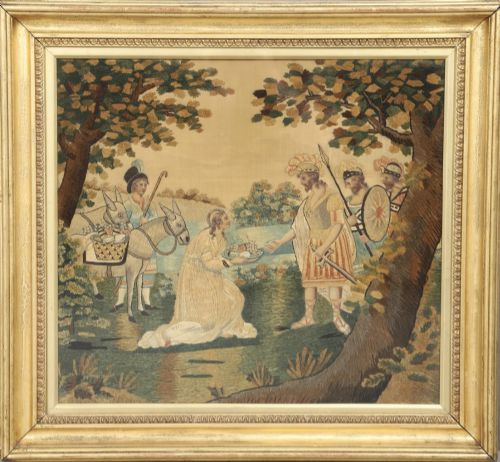
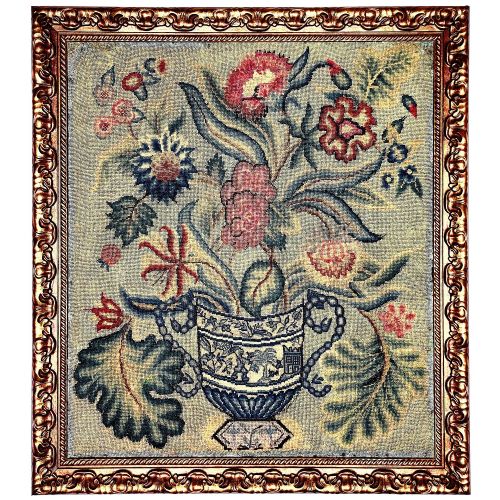
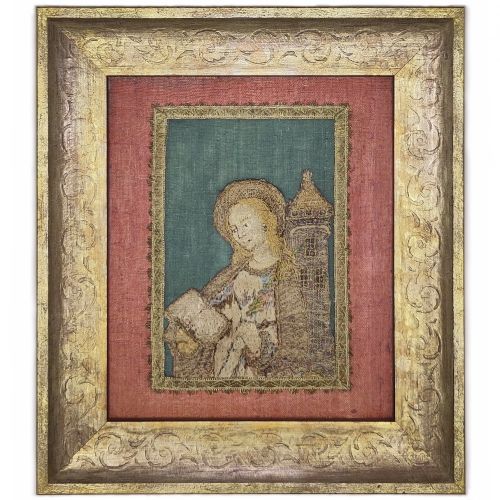
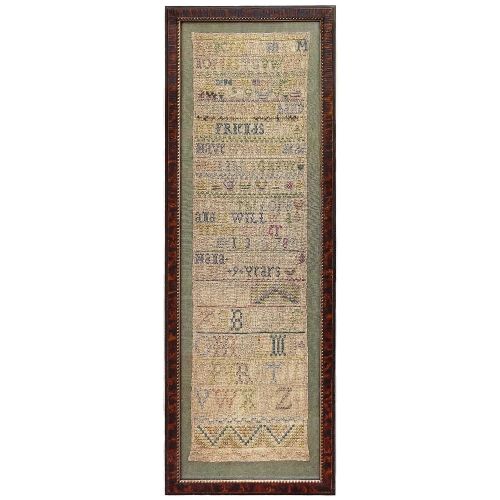
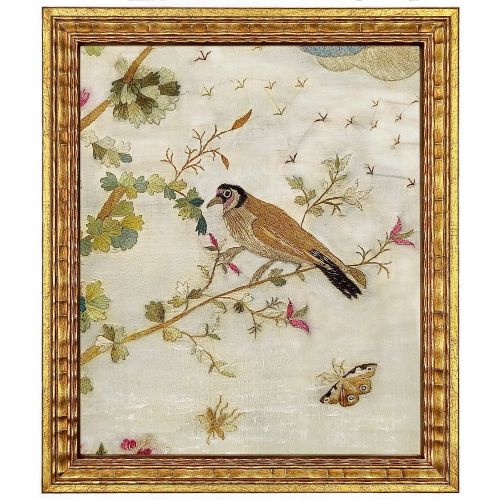
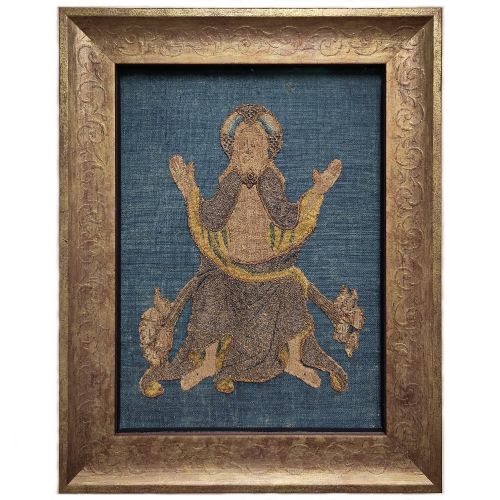
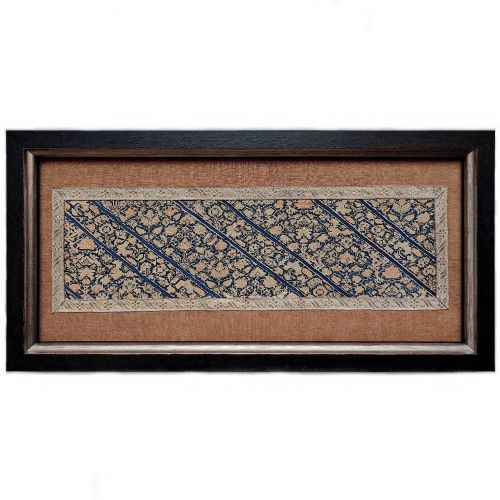
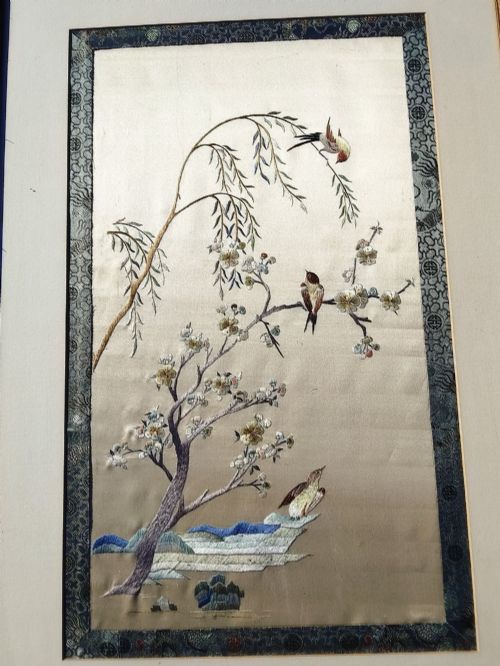
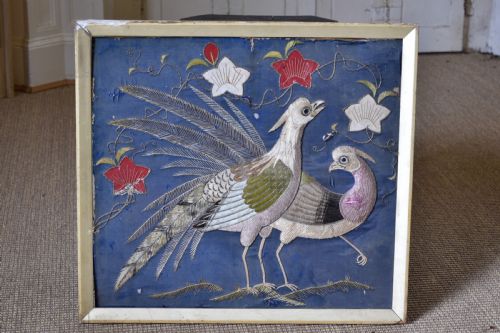
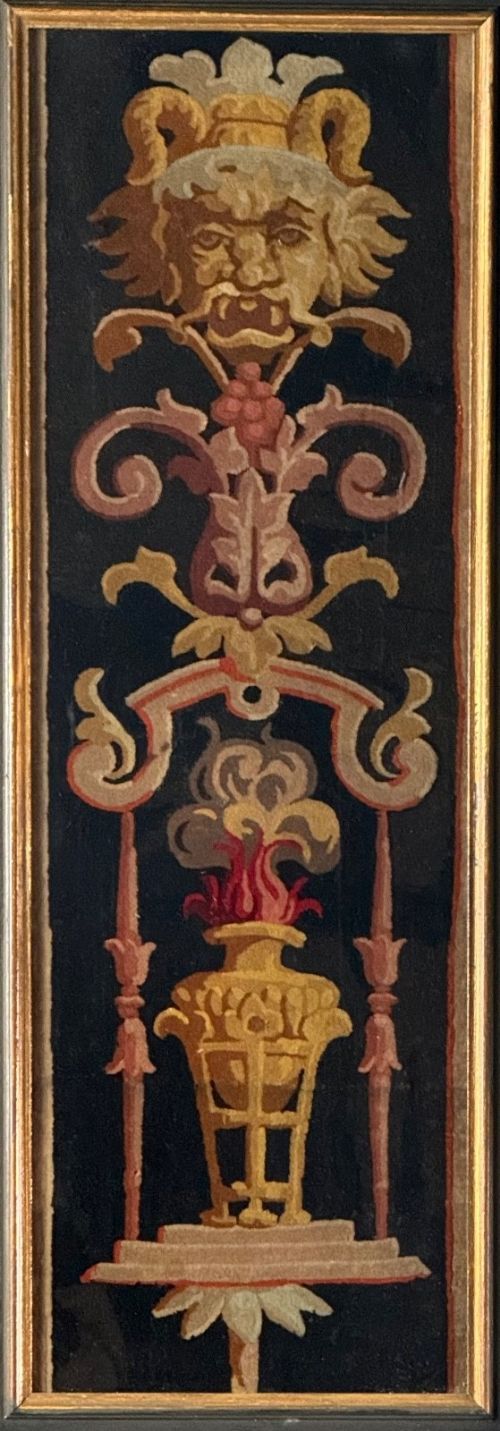
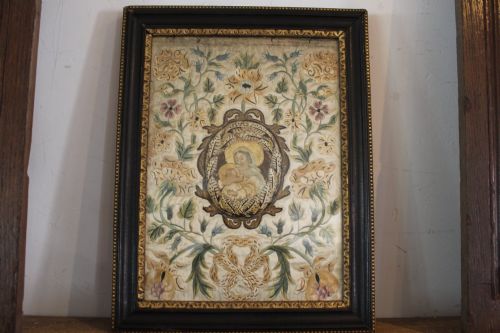
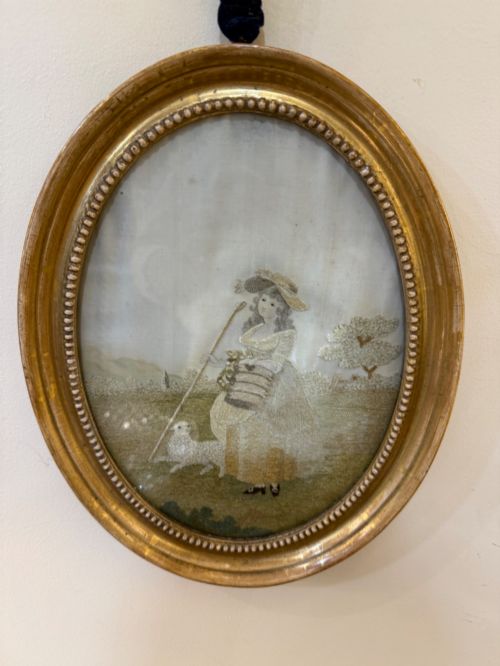
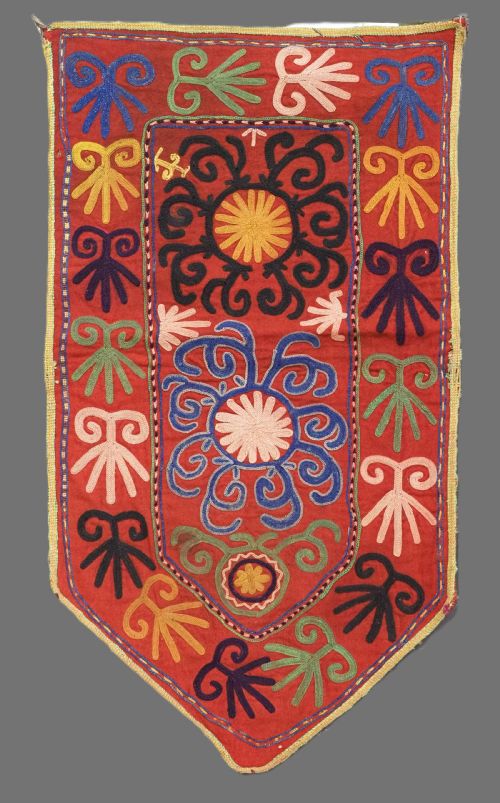
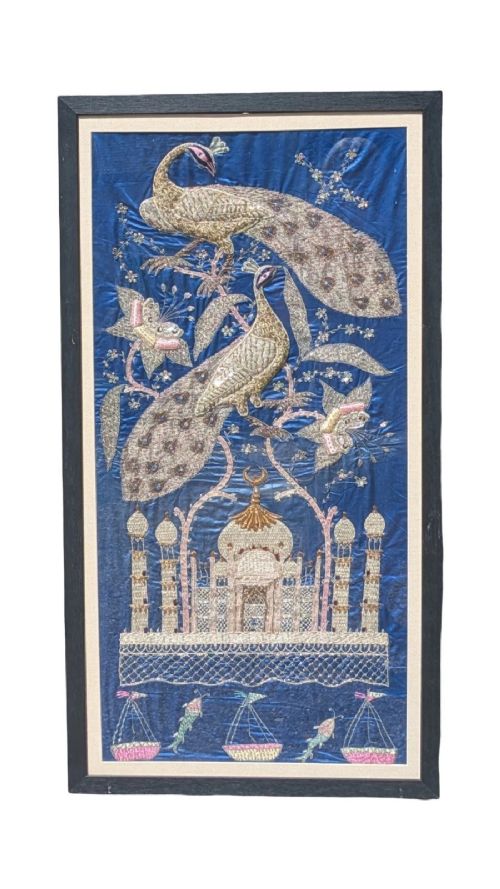
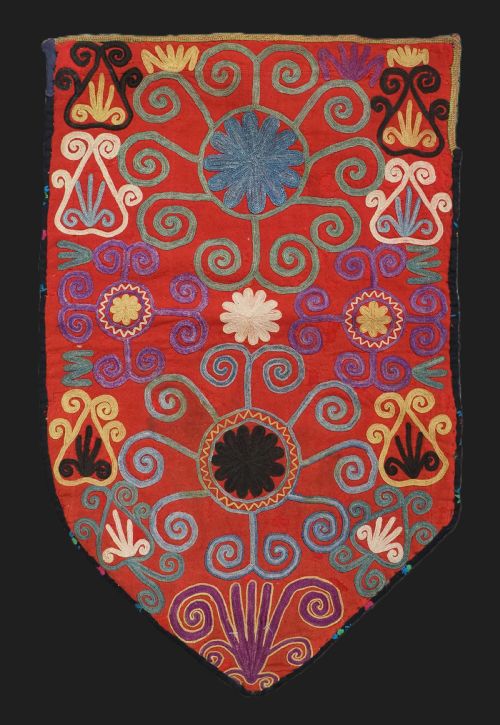
When you search for silk needlework art, you encounter historical textile pieces ranging from intricate English maps and portraits to vibrant Central Asian tribal hangings. These items take many forms, including framed pictures, band samplers, embroidered panels, and ceremonial saddle covers.
The most common examples on this page date from the 17th century through to the early 20th century, reflecting diverse origins such as England, France, Italy, Persia, and Central Asia. Makers utilised a variety of stitches and formats, often pairing fine silk thread with linen, wool, or cotton grounds.
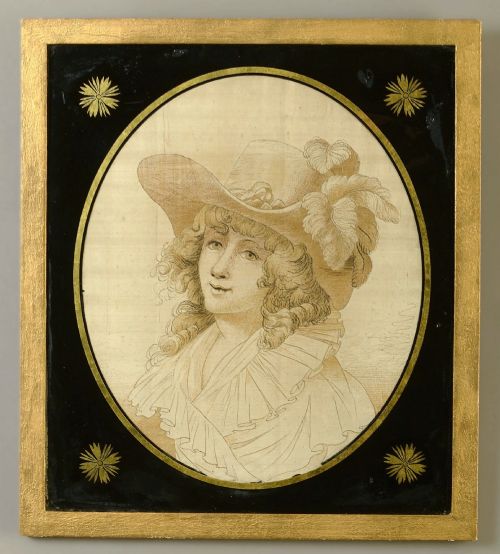
Pieces span multiple aesthetic movements, encompassing Georgian formality, Baroque taste, Victorian sentiment, and Central Asian tribal designs. Buyers often find works housed in period framing, such as giltwood or verre églomisé surrounds, which complement the textiles within.
Materials and construction
The foundation of these works relies on natural textiles like linen, cotton, wool, and felt, providing a stable ground for detailed needlework. Artisans applied silk and silk floss threads, occasionally incorporating metal thread and hand-painted elements to add dimension and contrast.
Techniques varied widely by region and period, encompassing everything from precise cartographic samplers and stumpwork to long stitch pictures and layered felt applique work. Surviving examples frequently retain their original mounting or framing in glass and wood to protect delicate fibres from degradation.
Silk Needlework Art Retail Price Guide 2026
Typical asking prices for silk needlework art among the pieces listed under this phrase on Sellingantiques today, from the lower quarter to the upper quarter. They describe what is for sale here now, not the wider market.
Materials recorded across the inventory include silk thread, wool, cotton, linen, glass, and giltwood.
Factors that distinguish examples
Quality in these textiles rests upon the precision of the stitching, the complexity of the composition, and the condition of the organic materials. Finer examples display meticulous control over silk floss or metal thread, creating detailed figurative or cartographic representations that remain remarkably legible.
The choice of supporting materials and protective framing also elevates a piece, with period mountings such as verre églomisé glass contributing to historical integrity. Furthermore, the cultural provenance and documentation of specific makers or dates add depth and historical context to individual works.
The Silk Needlework Art Glossary
- Sampler
- A piece of needlework produced as a demonstration or test of skill in various stitches, often featuring alphabets, numerals, or maps.
- Stumpwork
- A raised embroidery style popular in the 17th century that uses padded elements to create three-dimensional figures and motifs.
- Verre églomisé
- A process of applying cold gilding and painting to glass, frequently used to create decorative borders on historical picture frames.
- Suzani
- A type of embroidered tribal textile originating from Central Asia, typically featuring bold floral motifs on a cotton or linen ground.
- Band sampler
- An early form of sampler featuring horizontal rows of distinct embroidery patterns arranged in decorative bands.
Silk Needlework Art: Frequently Asked Questions
How should I display silk needlework art at home?
Keep framed textiles away from direct sunlight and high humidity to prevent the silk threads and natural fabric grounds from fading or weakening over time.
Ensure pieces are housed behind glass with adequate spacing between the textile and the glazing to protect the delicate surface texture.
What is the difference between a sampler and an embroidered picture?
Samplers were traditionally created to practice and record various stitching techniques, alphabets, or geographical maps, often signed by young makers.
Embroidered pictures focus entirely on a pictorial scene, portrait, or decorative motif rather than cataloguing technical stitch variations.
How can I tell the period of a needlework piece?
Examine the materials, framing styles, and subject matter, as 17th-century works often feature stumpwork or formal panels, while Georgian pieces frequently include cartography.
Inscribed dates and signatures provide the most direct evidence of age, though stylistic details in costume and architecture also help determine the era.