




Silk Linen Embroidery
Silk linen embroidery brings together historic needlework samplers, regional textile panels, and framed wall art spanning from the seventeenth century through the nineteenth century.
Silk Linen Embroidery
When you search for silk linen embroidery, you encounter textile art originating from English, Italian, Greek Island, and Central Asian traditions. The selection includes seventeenth-century coifs, eighteenth-century bedsheet borders, and nineteenth-century schoolgirl samplers worked on linen grounds using silk thread.
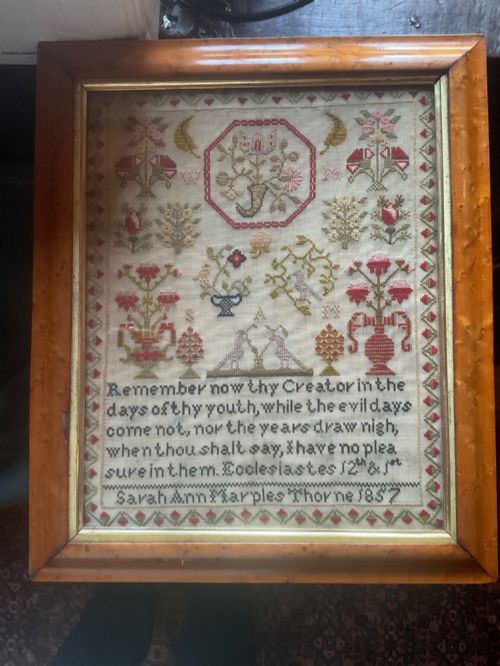
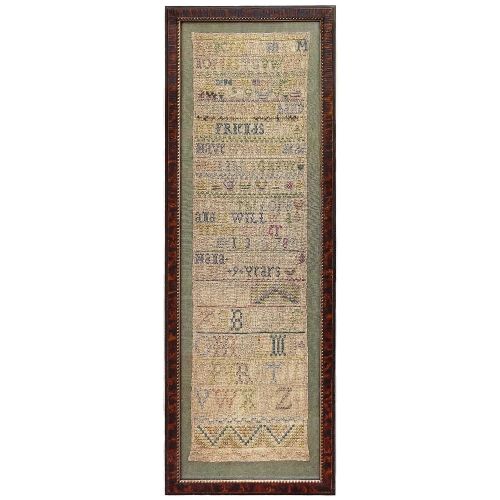
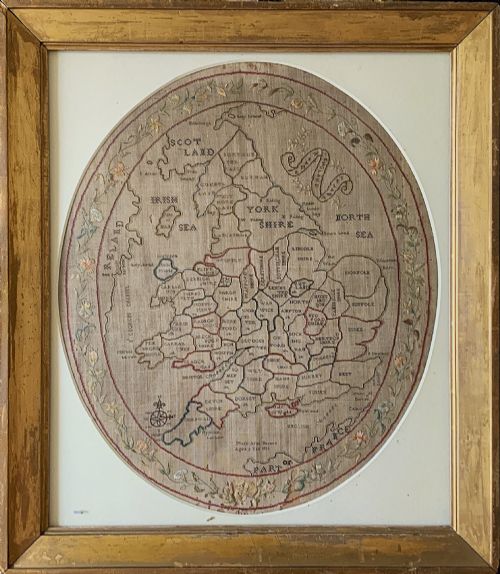
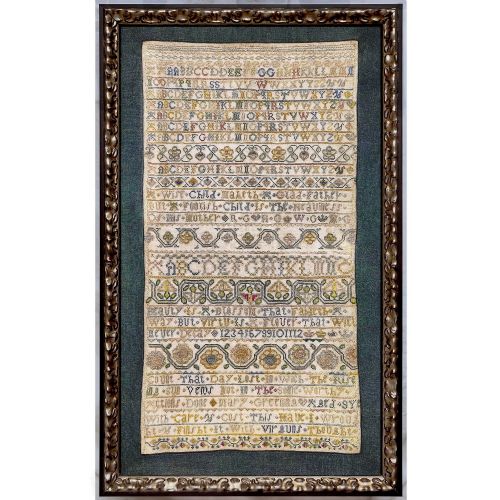
Needlework samplers form a distinct grouping within these listings, often recording maps of England and Wales, alphabets, or religious texts such as the Lord's Prayer. These pieces frequently bear the names of young makers, alongside dates and locations.
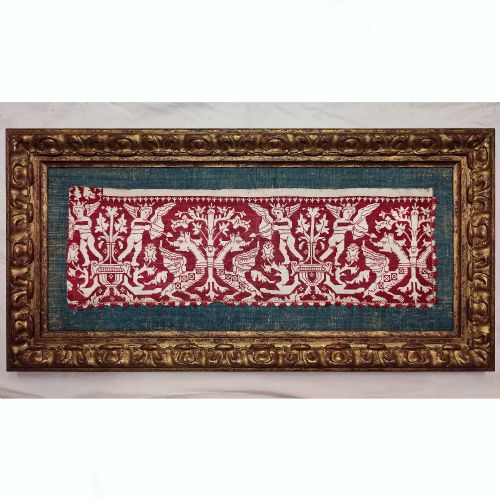
Regional embroidery panels from places such as Skyros, Crete, and Uzbekistan provide alternative examples of this textile tradition. These items showcase distinct local motifs and framing methods, including mounted fragments and glazed wall art.
What varies in quality
The finesse of the needlework and the complexity of the stitched design determine the visual impact of an individual piece. Samplers featuring detailed cartography, such as maps of England and Wales, demonstrate advanced execution compared to simpler band samplers.
The preservation of the silk thread and the linen ground dictates the overall condition of the textile. Pieces retaining vibrant thread colours and stable structural integrity present a clearer record of their original production.
Silk Linen Embroidery Retail Price Guide 2026
Typical asking prices for silk linen embroidery among the pieces listed under this phrase on Sellingantiques today, from the lower quarter to the upper quarter. They describe what is for sale here now, not the wider market.
Materials recorded across the inventory include linen grounds, silk thread, glass, and gilt wood frames.
Mary Banion·Mary Greening·Jane Wettmore·Louiss Elkins·Ann Hodson·Elizabeth Horn·Sarah Baker·Mary Mason·Martha Hall·Mary Street·Sarah Reading·Susan Mary Williams·Mary Pinfold
The Silk Linen Embroidery Glossary
- Sampler
- A piece of needlework produced to demonstrate proficiency in various stitches and patterns. These often include alphabets, numerals, and genealogical records.
- Coif
- A close-fitting cap worn in the seventeenth century, frequently decorated with detailed embroidery. Surviving examples show intricate needlework on linen grounds.
- Bedsheet border
- A decorative band of embroidery designed to embellish household linen. Greek Island examples demonstrate distinctive regional patterns.
- Band sampler
- An early format of needlework featuring horizontal rows of disparate embroidery patterns. These served as reference templates for stitchers.
- Nim-Suzani
- An embroidered wall hanging or textile panel originating from Central Asia. These items utilise bold decorative motifs distinct from European samplers.
Silk Linen Embroidery: Frequently Asked Questions
What is a needlework sampler?
A needlework sampler is a historic textile created to practice and showcase different embroidery stitches. They frequently display alphabets, numbers, and pious verses.
Many examples also record the name of the maker, their age, and the date of completion, providing a direct link to the person who stitched it.
How do I date an embroidery sampler?
Dating often relies on the stitched date and maker's name included within the composition. Palaeography, style, and framing methods offer additional clues.
Earlier seventeenth and eighteenth-century examples tend to feature band designs, while nineteenth-century pieces frequently present pictorial scenes or maps.
Where were Greek Island embroideries made?
These textiles originate from islands such as Skyros and Crete in the Aegean. They formed part of traditional local dress and household furnishings.
Makers utilised specific regional motifs that differ significantly from contemporary English schoolgirl samplers.
How should I display antique textiles?
Antique textiles require protection from direct sunlight to prevent the fading of silk threads. Framing behind glass helps shield the fabric from dust and physical handling.
Displaying pieces in stable environmental conditions preserves the integrity of both the linen ground and the embroidery.