


Silk Embroidered Art
Silk embroidered art brings historical needlework, wall hangings and framed textiles into modern spaces through rich threads and delicate hand-stitched detail.
Silk Embroidered Art
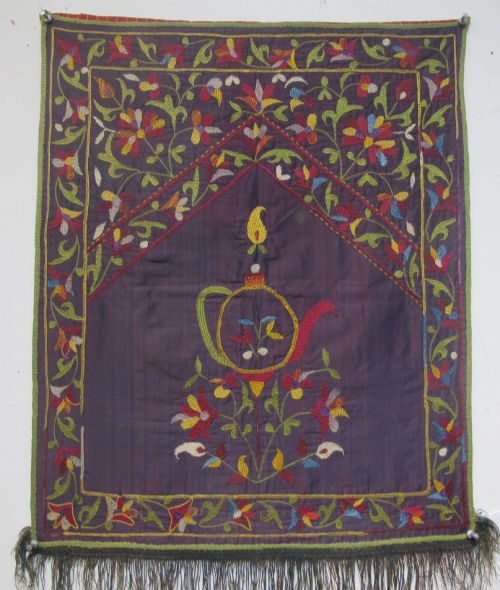
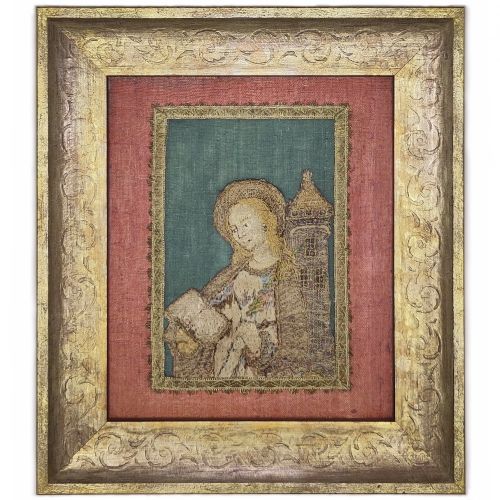
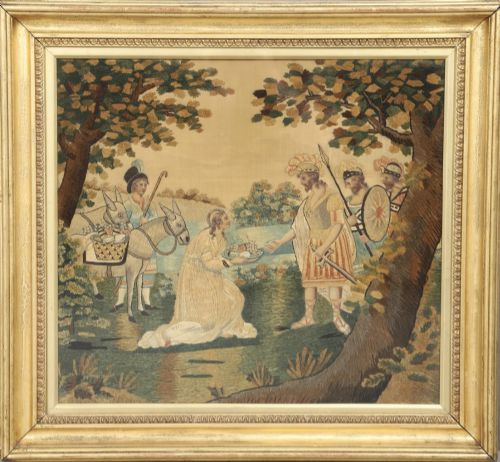
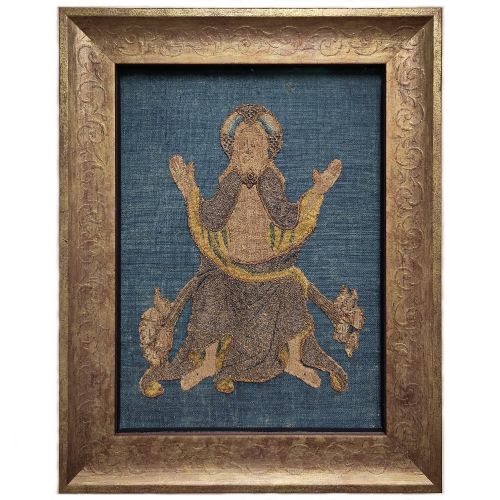
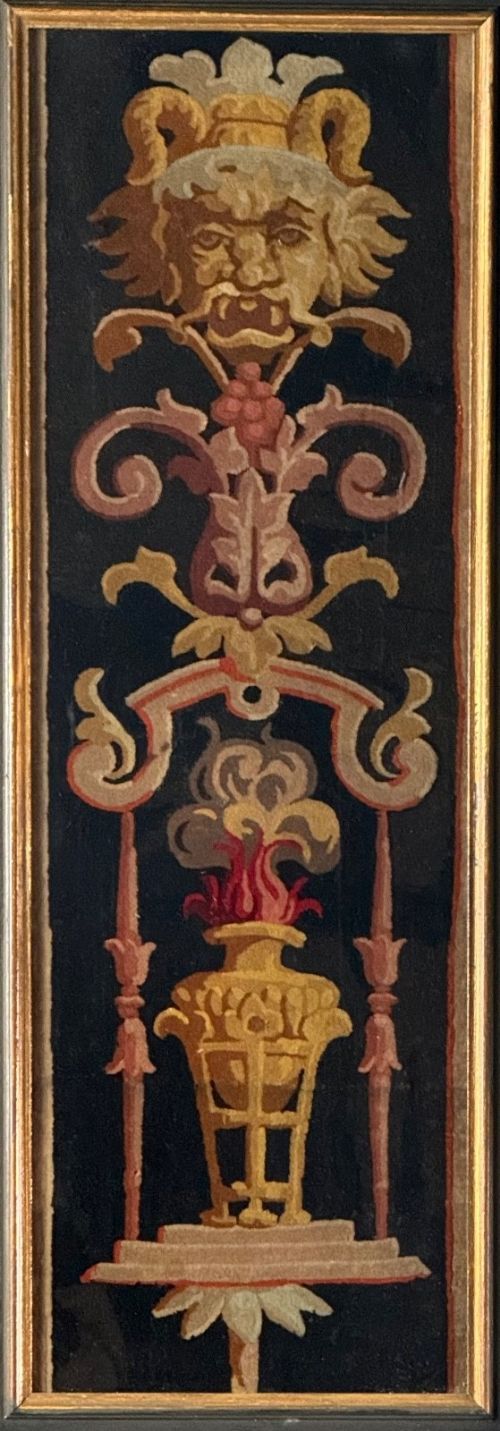
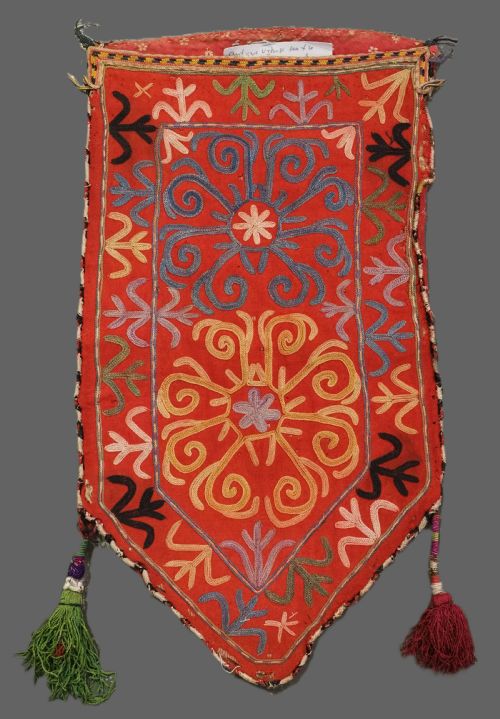
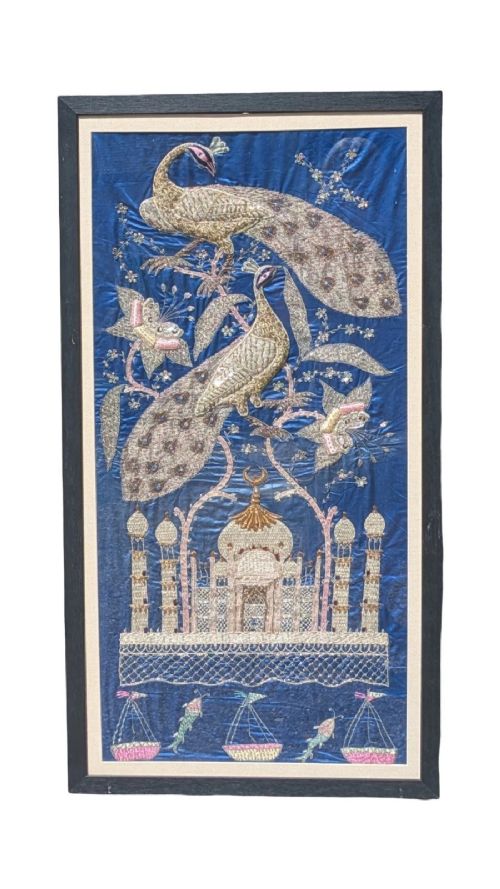
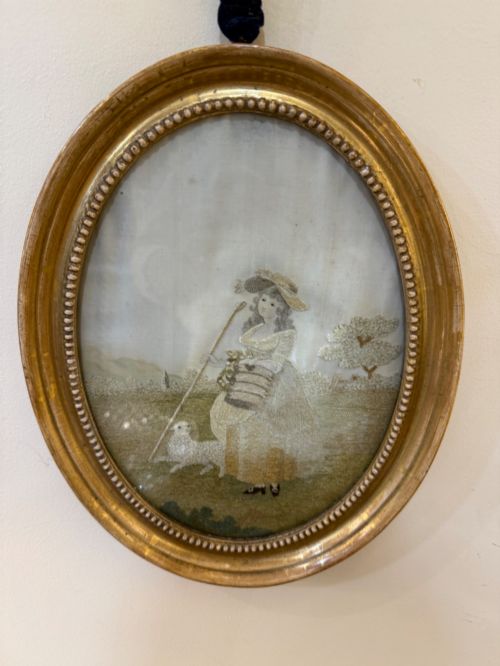
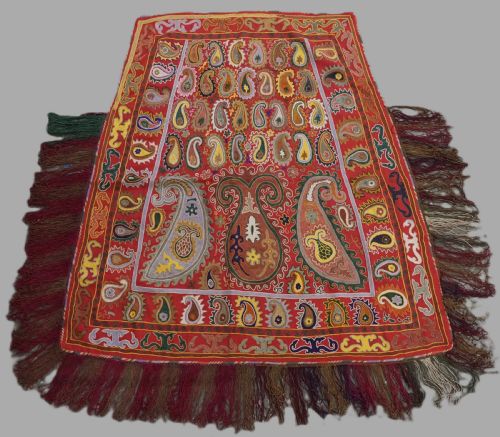
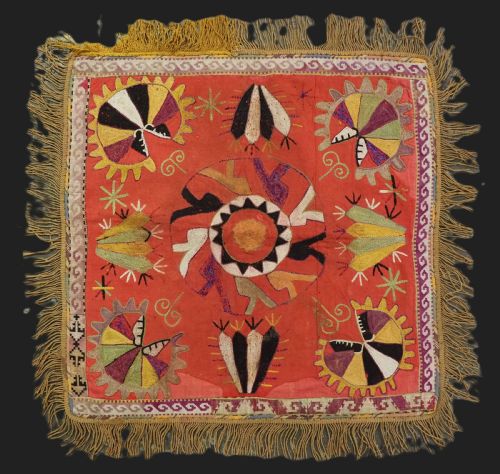
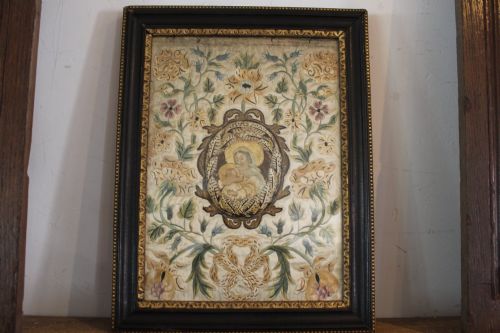
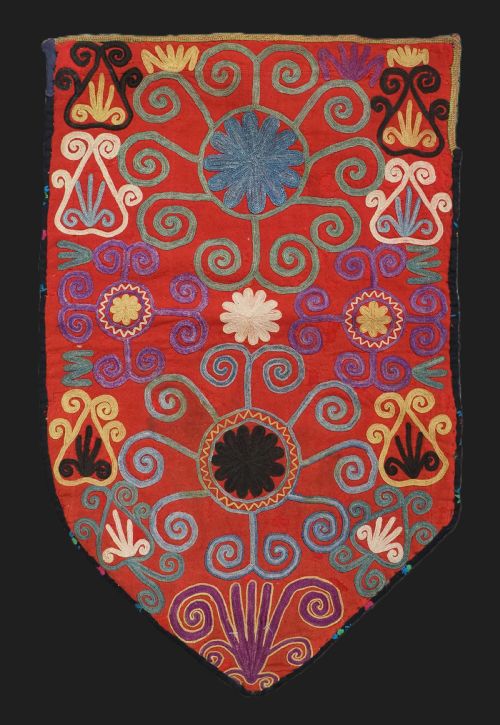
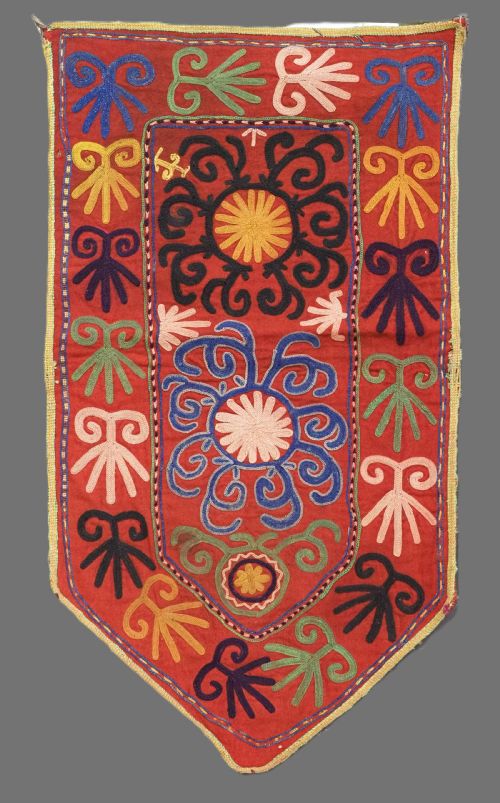
When searching for silk embroidered art, buyers encounter a diverse range of historic textile pieces spanning several centuries and geographic origins. These works include framed English needlework pictures, Chinese rank badges, Central Asian tribal dowry panels, and Ottoman fragments.
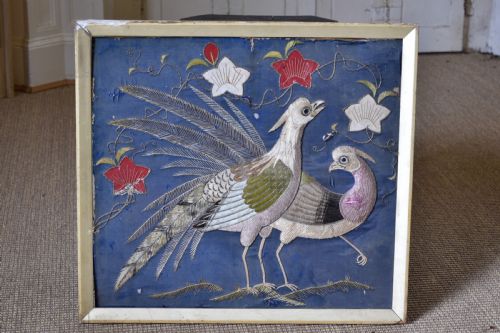
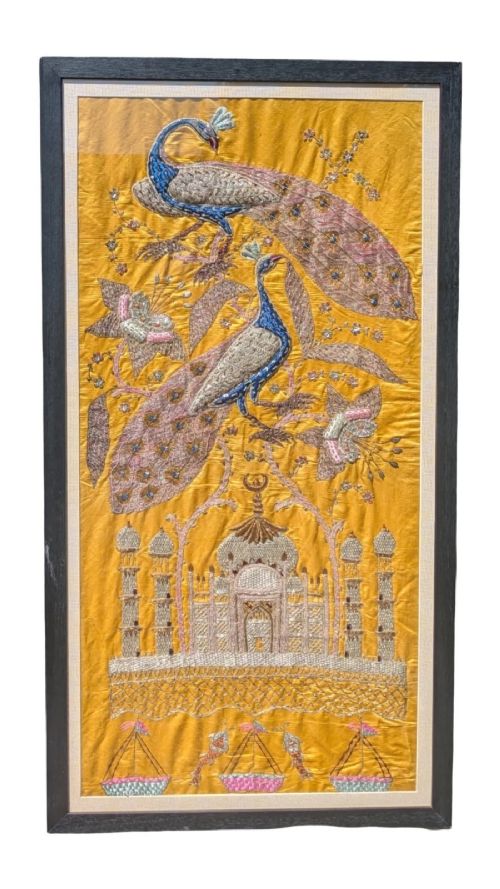
The selections on this page lean heavily towards decorative wall art, ranging from early Georgian samplers and Regency biblical scenes to 19th-century avian studies and 20th-century Asian panels. Each object reflects the distinct textile traditions and ornamental styles of its period and region of origin.
How they were made
These works rely on a foundation of natural textiles such as linen, cotton, wool, and silk, upon which artisans stitched intricate designs using silk thread, wool, and metallic thread. Many of these historical panels incorporate specialised hand-sewing techniques, silk floss, and hand-painted details beneath protective glass.
Framing materials range from period giltwood and faux tortoiseshell frames to traditional wooden mounts designed to preserve fragile fabrics. The physical construction combines delicate needlework with structural supports to maintain the integrity of textiles that span hundreds of years.
Silk Embroidered Art Retail Price Guide 2026
Typical asking prices for silk embroidered art among the pieces listed under this phrase on Sellingantiques today, from the lower quarter to the upper quarter. They describe what is for sale here now, not the wider market.
Listings span from the 16th century to the 20th century, incorporating materials like giltwood, metallic thread, and silk.
What varies in quality
The standard of execution in silk embroidered art depends largely on the precision of the needlework, the complexity of the stitch variation, and the preservation of the original fibres. Fine examples demonstrate exceptional control over silk floss and metallic thread, resulting in crisp pictorial details or balanced geometric patterns.
Condition and completeness heavily influence the standing of a piece, particularly given the vulnerability of ancient textiles to light and handling. Original framing, minimal fibre loss, and stable ground fabrics distinguish superior historical examples from heavily restored or fragmented items.
The Silk Embroidered Art Glossary
- Sampler
- A piece of needlework produced as a demonstration or test of skill in various stitches, often featuring alphabets, numbers, or maps.
- Suzani
- A type of embroidered and decorative tribal textile made in Tajikistan, Uzbekistan, and other Central Asian countries.
- Orphrey
- An embroidered band or panel ornamenting ecclesiastical vestments, often worked in rich metallic and silk threads.
- Rank badge
- A square embroidered patch indicating the status of an official in imperial China, typically featuring birds or animals.
- Stumpwork
- A raised embroidery style popular in 17th-century England that uses padded underlays to create a three-dimensional effect.
Silk Embroidered Art: Frequently Asked Questions
How should I hang silk embroidered art?
Display these textiles away from direct sunlight and high humidity to prevent the silk threads and natural backing fabrics from fading or degrading over time.
Ensure pieces under glass are professionally sealed to protect the delicate needlework from dust and atmospheric moisture while hanging securely on interior walls.
How do I date an antique textile panel?
Examine the style of the stitching, the materials used in the ground fabric, and any subject matter such as costume or lettering that reflects a specific era.
Comparative analysis with documented examples from periods like the Georgian era or the 17th century helps establish a reliable timeframe for the workmanship.
What is a dowry embroidery?
Dowry embroideries were traditionally created by women in Central Asian cultures as part of a bride's household collection, functioning as decorative wall hangings or storage covers.
These pieces often feature bold tribal motifs and vibrant silk highlights intended to bring prosperity and protection to a new household.