




Signed Pottery Vase
A signed pottery vase brings the hand of the maker directly into a room, carrying the weight of a specific kiln and studio.
Signed Pottery Vase
A signed pottery vase comprises vessels bearing the personal mark, stamp or signature of the artist or pottery, spanning earthenware, porcelain, and terracotta forms. When searching for a signed pottery vase, buyers encounter everything from modest miniature vessels to monumental decorative pieces originating from Japanese Meiji workshops and European studios.
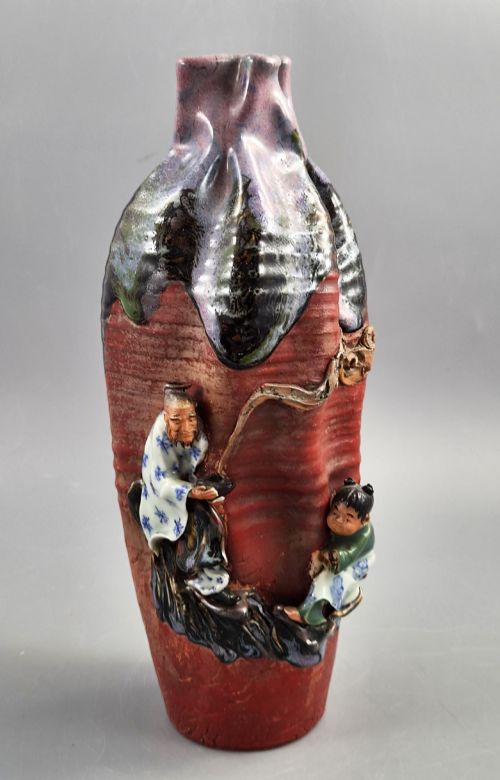
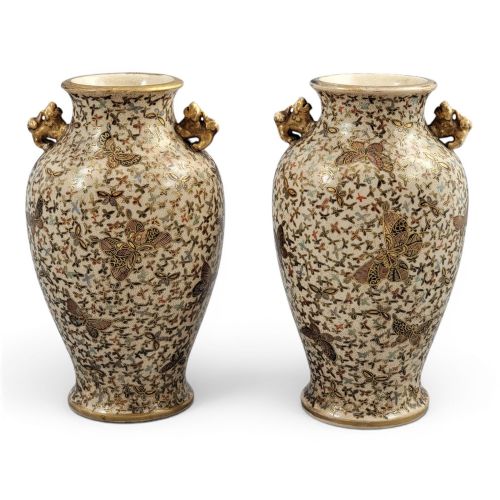
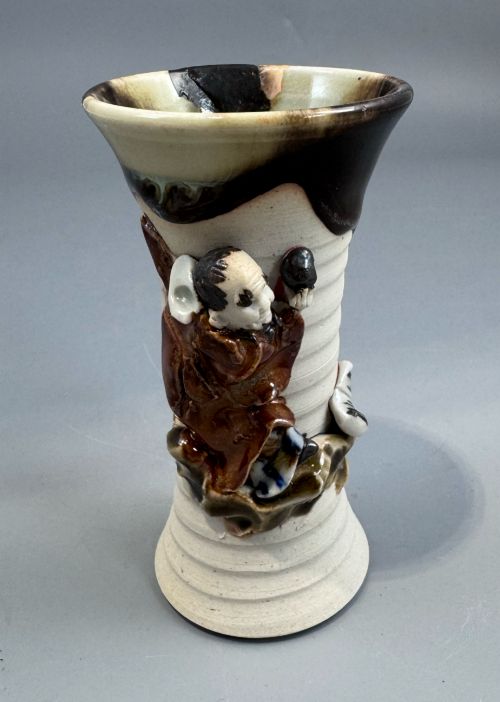
The pieces on this page draw heavily from the nineteenth and early twentieth centuries, encompassing the Edwardian era and the Republic Period. Japanese Satsuma and Sumida Gawa creations dominate the selection, alongside British art pottery and continental European pieces decorated with handpainted scenes and applied figures.
How they were made
Potters shaped earthenware, stoneware, and porcelain on the wheel or built them by hand, sometimes adding sculptural figures in high relief to the exterior wall. Kiln workers then applied rich glazes including lavender flambé, oxblood, and intricate enamel colours to the surfaces.
Decoration often involved meticulous handpainting, gold leaf, and gold gilt work to highlight motifs such as butterflies, wisteria, and figures. Makers completed their vessels by impressing, stamping, or painting their individual signatures directly onto the base.
Signed Pottery Vase Retail Price Guide 2026
Typical asking prices for signed pottery vase among the pieces listed under this phrase on Sellingantiques today, from the lower quarter to the upper quarter. They describe what is for sale here now, not the wider market.
Listings feature earthenware, porcelain, and terracotta shaped into vases and vessels.
What varies in quality
Quality rests upon the precision of the modelling and the clarity of the brushwork across the body of the vase. Superior examples display crisp relief work and deliberate control over complex glazes rather than hurried application.
The distinction between standard output and finer pieces lies in the articulation of the signature and the refinement of the decorative details. Well-executed pieces maintain balance in their form, whether dealing with miniature vessels or monumental baluster shapes.
Ban-ni·Kinzan·Ryōsai·Kōko·John.H.Plant·Chosei·Shuzan·Seiko-en Chokei·Tagawa·Gao Hengsheng·Hiroshi·William Moorcroft·Royal Bonn·Trivett·Hododa·Chikuzan·Zenkozan·Frederick H. Rhead
The Signed Pottery Vase Glossary
- Baluster
- A vertical vase form that swells gently towards the lower portion before tapering near the neck. This shape provides a stable base for detailed painting and applied figures.
- Earthenware
- Porous pottery fired at lower temperatures, often coated in an opaque glaze. It serves as the foundation for many handpainted decorative vessels.
- Flambé
- A streaky, variegated glaze achieved through reduction firing in the kiln. It produces unpredictable pools of colour ranging from deep reds to lavender hues.
- Satsuma
- Japanese pottery characterised by a fine ivory craquelure glaze decorated with enamel and gold. It encompasses miniature vessels as well as monumental display pieces.
- Karako
- A traditional Chinese motif depicting Chinese boys at play, frequently modelled in high relief on Sumida Gawa ceramics. These figures add a narrative element to the vessel surface.
Signed Pottery Vase: Frequently Asked Questions
How do I read a pottery signature?
Signatures appear painted on the glaze, incised into the clay, or stamped as a seal mark on the base. They identify the individual artist, workshop, or pottery responsible for the vessel.
Matching the character style and placement to known examples helps confirm the origin of the piece.
What is Sumida Gawa pottery?
Sumida Gawa pottery originates from the banks of the Sumida River in Tokyo, known for heavy glazes and applied clay figures. These pieces often feature dramatic oxblood or flambé surfaces alongside modelled characters.
The style bridges traditional Japanese sculpting and nineteenth-century export ceramics.
Are miniature vases meant for display?
Miniature vases serve as decorative cabinet pieces designed to showcase fine detail on a small scale. Makers applied the same technical skill to these tiny vessels as they did to monumental works.
Their small dimensions allow collectors to examine intricate gold work and handpainting closely.
How do I care for antique ceramic vases?
Antique ceramics require gentle dusting with a soft, dry cloth to protect delicate enamels, gold leaf, and applied figures. Keeping pieces away from direct sunlight preserves the original tones of the glazes.
Water should generally not be placed inside antique vessels with applied elements or porous earthenware bodies.