

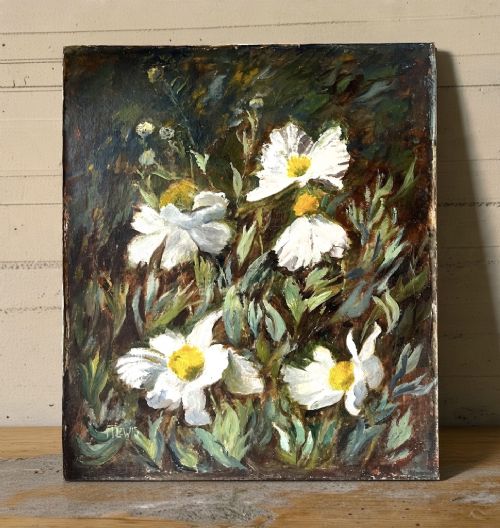
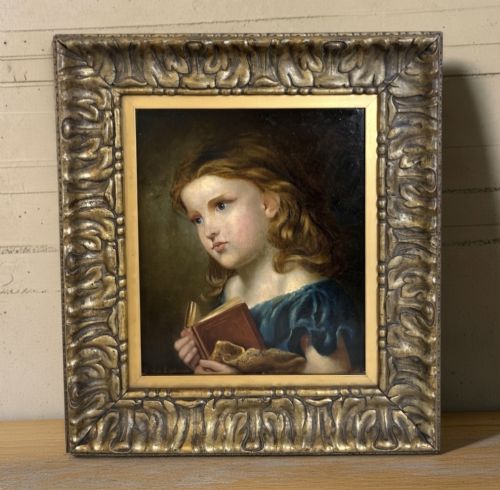
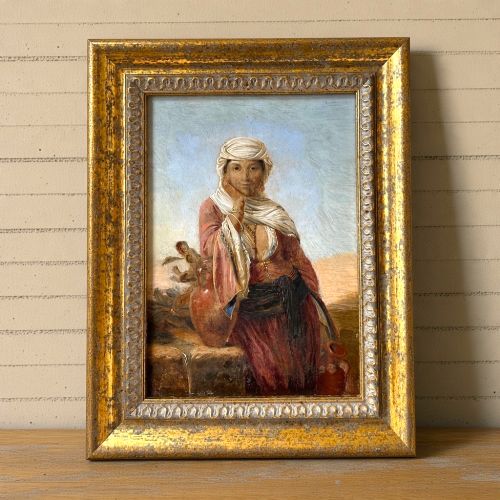
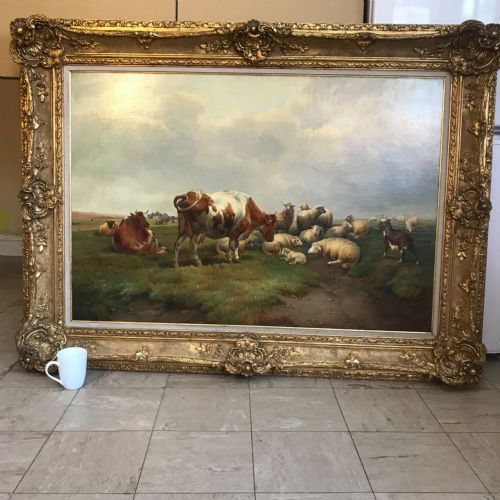
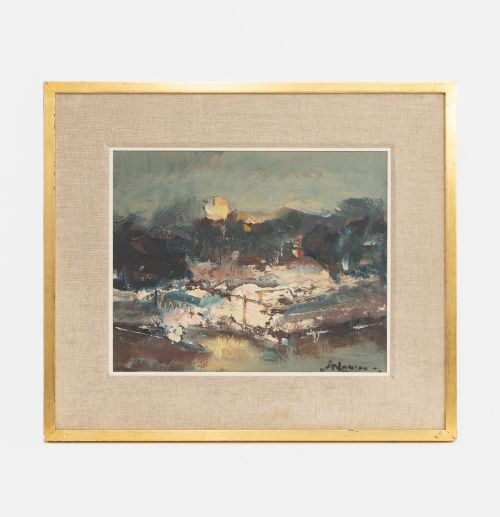
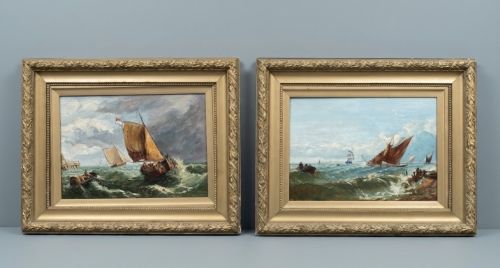
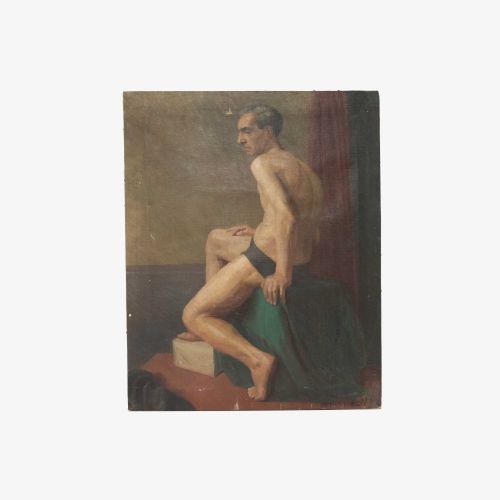
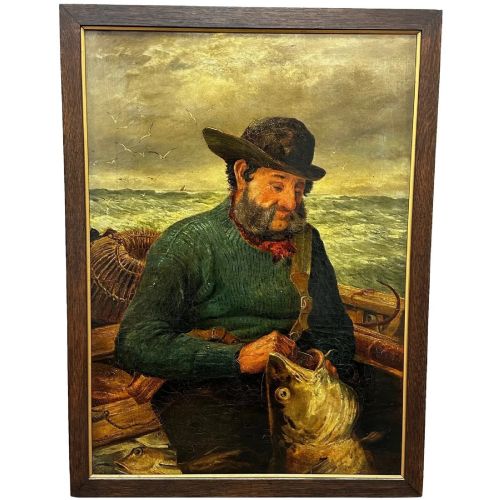
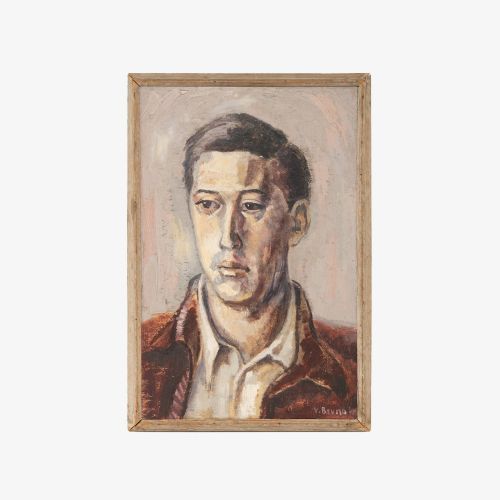
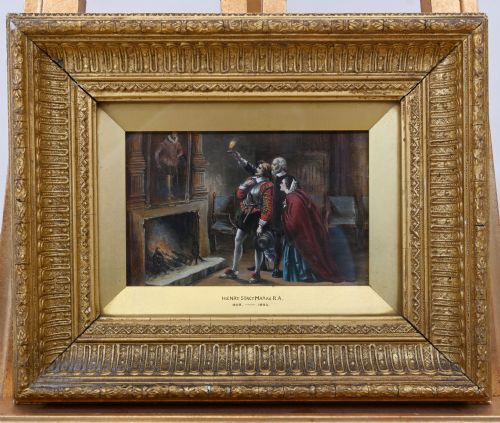
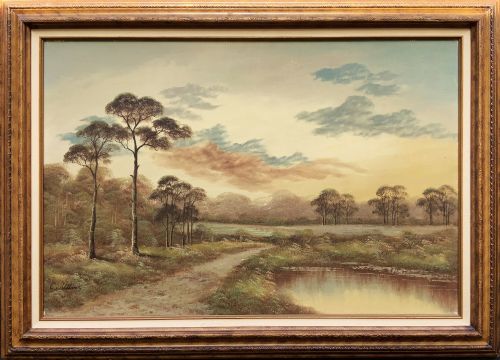
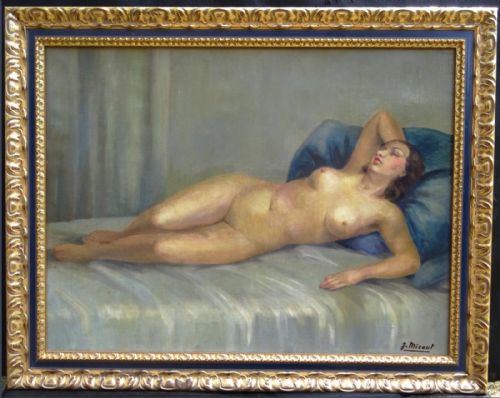
Signed Oil Painting Artwork
Signed oil painting artwork brings together individual artistic signatures and rich painted surfaces, offering a direct link to historical makers.
Signed Oil Painting Artwork
A signed oil painting artwork stands as a distinct visual record created by a named hand, spanning periods from the eighteenth century through the mid-twentieth century. Buyers searching this phrase encounter diverse formats including canvas and wood panel supports.
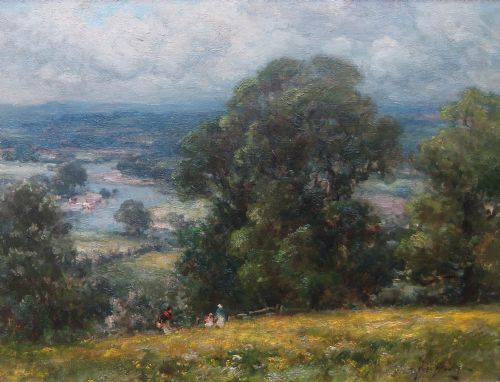
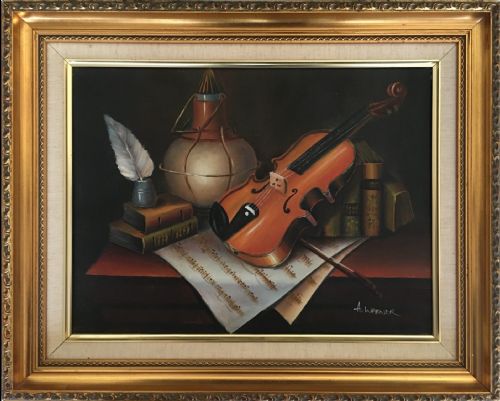
Portraits, landscapes, and still life compositions dominate the selection. Victorian and Edwardian examples sit alongside Dutch School landscapes and mid-century modern pieces.
Works on this page range from intimate cabinet portraits to large-scale maritime and pastoral scenes. Each piece records the specific choices of its maker through visible brushwork and inscribed signatures.
How They Were Made
Makers applied oil paint suspended in drying oils onto prepared canvas or wood panels. Canvas supports provided flexible tension while wood panels offered rigid surfaces for detailed application.
Gilt and gilded wood frames frequently enclose these works, complementing the pigmented surfaces. Pigments were built up in layers to achieve depth, tone, and texture.
Signed Oil Painting Artwork Retail Price Guide 2026
Typical asking prices for signed oil painting artwork among the pieces listed under this phrase on Sellingantiques today, from the lower quarter to the upper quarter. They describe what is for sale here now, not the wider market.
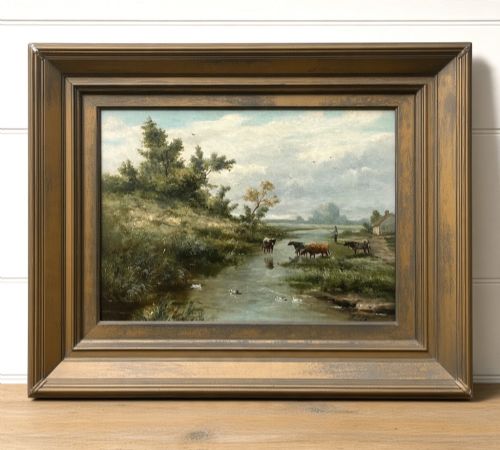
Ice skaters glide across frozen Dutch winter landscapes while cattle graze peacefully in British woodlands.
What Varies in Quality
Execution and brushwork control distinguish the finest works from ordinary examples. Superior pieces demonstrate confident handling of light, shadow, and anatomical or spatial proportion.
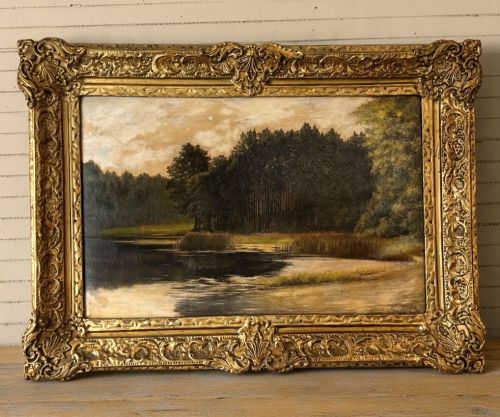
The integration of the frame with the painting influences overall cohesion. Original gilt gesso frames that retain their crisp ornamentation elevate the presentation of the primary artwork.
L.S. Wren·V. Bruno·Robert Duddingstone Herdman·C. Williams·Gaastra·Trajan Hughes·Sir Thomas Wentworth·Sir Philip Mainwaring·E Steele·FS Beaumont·Lettice and Randolph·F Staple·Kenneth Cozens·R Leyton·William H Myers·Tom Campbell·W Klombeck·William Howard Hardy·Frederick Marriott·Arthur Wardle·I. Berezny·Alfred Fontville de Breanski Jr·Sidney A. Court·B. Nash·George Houston
The Signed Oil Painting Artwork Glossary
- Canvas
- A heavy woven fabric stretched across a wooden frame to serve as a painting surface. It provides texture through its weave.
- Oil Paint
- A slow-drying paint made by combining pigment particles with drying oils such as linseed. This medium allows for rich blending and textured impasto.
- Giltwood
- Wood carved and coated with gold leaf or a gold-coloured metallic finish. It frames many traditional paintings.
- Wood Panel
- A solid or laminated wooden board used as a rigid support for pigments. Panels were common in earlier Flemish and British works.
Signed Oil Painting Artwork: Frequently Asked Questions
How do I identify a signed oil painting?
Signatures typically appear in the lower corners of the composition, applied in pigment that matches the surrounding palette. Examining the signature under magnification helps determine whether it was executed at the time of painting.
Comparison with documented examples from the same maker assists in verification. Signatures should integrate naturally with the surface age and craquelure.
What periods do these paintings cover?
The inventory spans from the eighteenth century through the Edwardian era and into the mid-twentieth century. Victorian naturalism and Dutch School influences appear frequently among the listed dates.
Each period employs distinct framing styles and canvas preparations. These technical details help corroborate the era of production alongside the signature.
How should I care for an oil painting?
Keep paintings away from direct sunlight and fluctuating humidity levels to protect the canvas and wooden supports. Gentle dusting with a soft, dry brush maintains the surface.
Avoid using water or chemical cleaners on the paint or gilt frame. Professional conservators should handle any structural repairs or varnish cleaning.
What subjects are most common?
Landscapes, portraits, and still life compositions form the core of the available subjects. Marine scenes and pastoral views reflect British and continental artistic traditions.
Artists recorded both grand historical figures and quiet domestic moments. These varied subjects offer insight into the aesthetic preferences of past buyers.