





Signed Japanese Ceramics
Signed japanese ceramics bring the precise hand of Meiji period masters directly to your collection through marked vessels and sculptures.
Signed Japanese Ceramics
Signed japanese ceramics comprise marked vessels, bowls, vases, and sculptural okimono produced primarily during the 19th century and the Meiji period. These works carry artist signatures, studio marks, or family crests that identify the maker or workshop responsible for their creation.
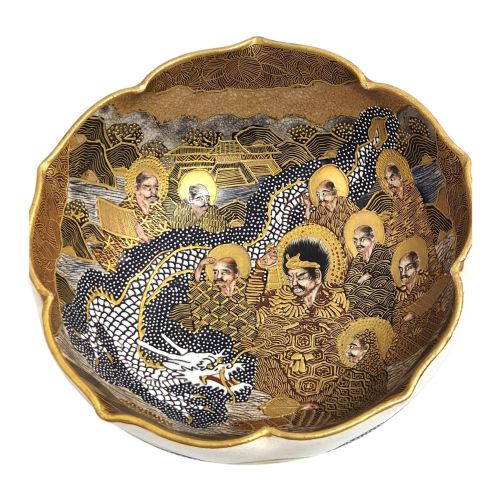
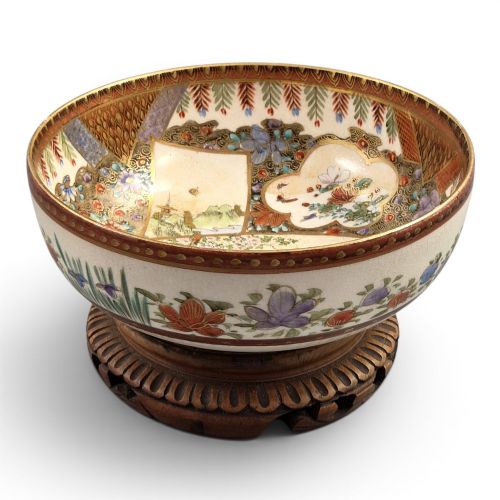
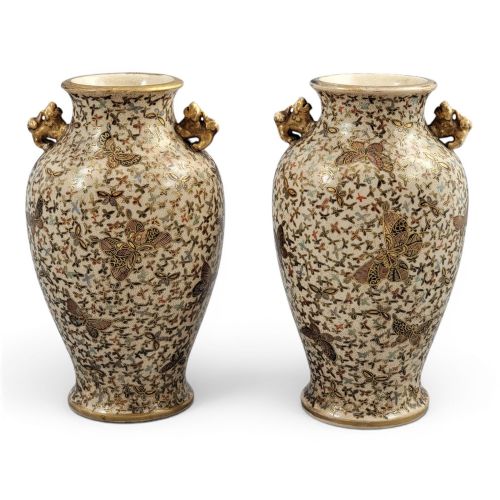
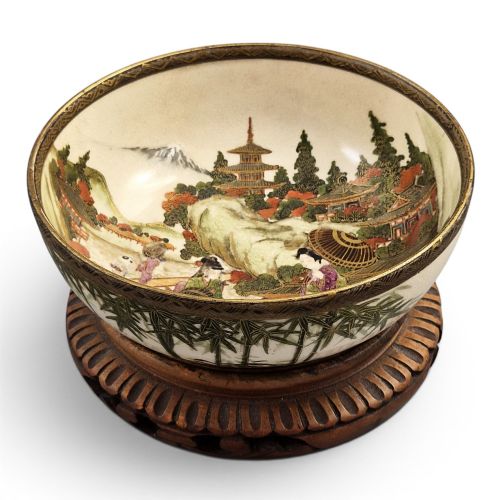
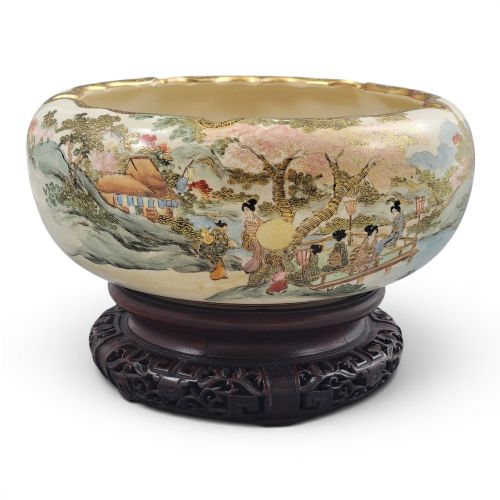
The version most commonly encountered in these listings is the Satsuma earthenware bowl, jar, or vase, heavily decorated with enamels and gold leaf. These pieces originate from Kyoto studios and provincial kilns, bearing intricate hand-painted narratives of figures, landscapes, and flora.
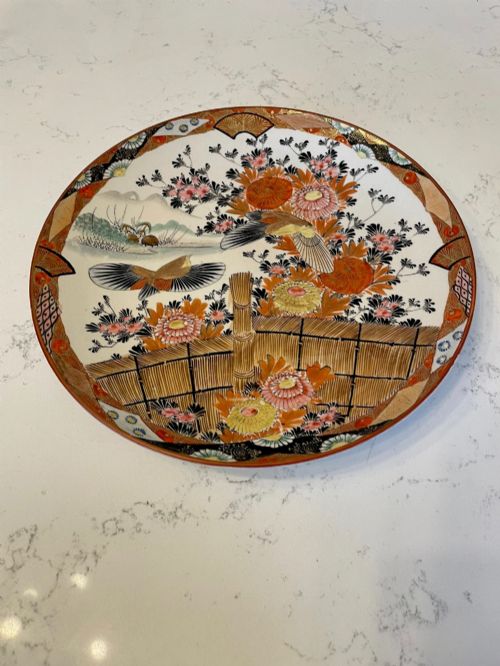
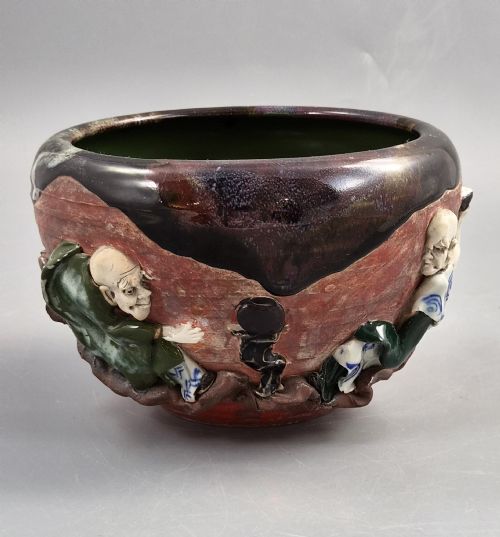
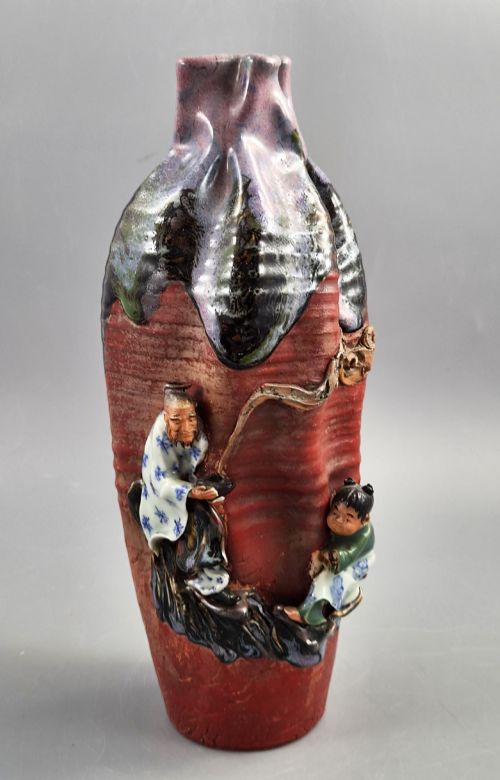
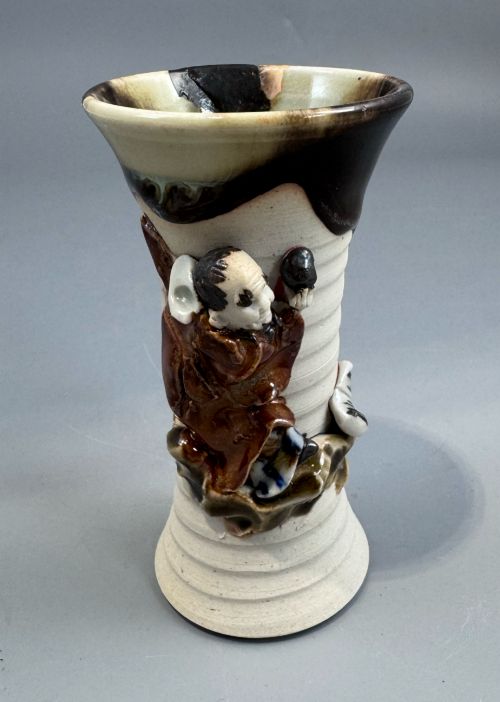
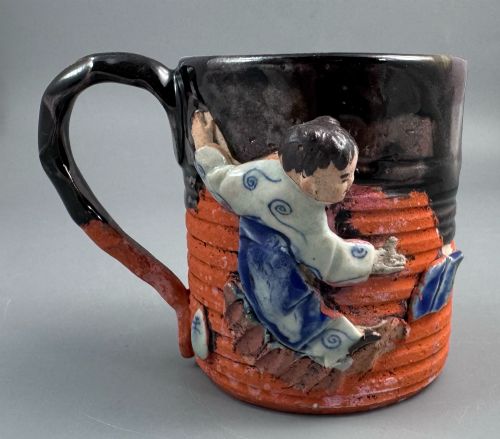
Beyond Satsuma ware, collectors frequently encounter Sumida Gawa pottery featuring distinctive modelled figures in relief against flamboyant glazes, alongside Totai Shippo porcelain chargers employing cloisonné techniques over ceramic surfaces. Each category reflects the specialised production methods of late nineteenth and early twentieth century Japanese ceramic art.
How they were made
Makers shaped earthenware, stoneware, and porcelain bodies by hand or on the wheel before applying specialised glazes such as lavender flambé, oxblood, or cobalt blue. Many pieces incorporate tactile elements, adding modelled figures of clay directly onto the vessel walls before firing.
Decoration relied on meticulous hand-painting utilising coloured enamels and gold leaf to render complex botanical and figurative motifs. In Totai Shippo pieces, wire cloisonné techniques were applied directly to ceramic or porcelain surfaces to imitate tree bark and other textures.
Signed Japanese Ceramics Retail Price Guide 2026
Typical asking prices for signed japanese ceramics among the pieces listed under this phrase on Sellingantiques today, from the lower quarter to the upper quarter. They describe what is for sale here now, not the wider market.
Several mischievous children and wise sages manage to scale the slippery sides of Sumida Gawa vases and mugs without ever falling off.
What varies in quality
The refinement of the hand-painted brushwork sets exceptional examples apart from standard production items, visible in the precision of facial expressions on figures and the density of gilding. Master artisans executed minute details that remain crisp and controlled under close examination.
The clarity and depth of the glaze application determine visual success, particularly in specialised surfaces like Sumida Gawa flambé runs or textured Totai Shippo tree bark effects. Superior pieces demonstrate complete harmony between the ceramic body, the modelled relief elements, and the final signature placement.
Taizan·Shozo·Inoue Ryōsai·Ban-ni·Gyokkō·Kozan·Kinzan·Shizan·Kōko·Shuzan·Kinkozan·Kizan·Seiko-en Chokei·Yamashu·Nikko·Tagawa·Shozan·Hiroshi
The Signed Japanese Ceramics Glossary
- Satsuma
- Earthenware pottery originating from Satsuma province and later produced extensively in Kyoto, characterised by an ivory crackle-glaze and intricate polychrome enamel and gilt decoration.
- Sumida Gawa
- A distinctive type of pottery featuring heavy, colourful glazes combined with high-relief modelled figures such as sages, children, and immortals clambering across the surface.
- Okimono
- A freestanding Japanese decorative sculpture designed for display on a shelf or in a tokonoma alcove, often depicting animals, figures, or mythical subjects.
- Koro
- A traditional three-legged incense burner fitted with a pierced cover, frequently rendered in Satsuma earthenware with ornate painted panels.
- Shimazu Crest
- The heraldic mark of the Shimazu clan, featuring a cross within a circle, commonly stamped or painted on Satsuma ceramics.
Signed Japanese Ceramics: Frequently Asked Questions
How do I read a ceramic signature?
Signatures on these pieces typically appear as painted or incised characters on the base, sometimes accompanied by a studio seal or family crest. They identify the individual artist, the workshop head, or the kiln responsible for the finished work.
Translating these marks often requires comparing the calligraphy style and characters against established ceramic records from the Meiji period. Many Kyoto studios utilised specific brush signatures that evolved over an artist's working life.
What is Satsuma crackle glaze?
Satsuma crackle glaze is a deliberate network of fine microscopic fissures intentionally created in the translucent glaze layer during cooling. This crazing pattern provides a stable, textured canvas for subsequent enamel and gold leaf painting.
Over time, dust and handling can settle into these tiny lines, deepening the visual texture of the piece. Authentic antique pieces display an even, consistent crackle across the earthenware body.
How were Sumida Gawa figures made?
Sumida Gawa pieces incorporate separate clay figures modelled entirely by hand and applied directly onto the wet or leather-hard vessel wall before firing. Artisans sculpted sages, children, and animals climbing across the surface to create a distinct three-dimensional narrative.
The vessel was then dipped in dramatic drippy glazes, such as oxblood or lavender flambé, which pooled naturally around the applied figures and added heavy textural contrast.
Where should I display my pieces?
These ceramic works require stable display environments away from direct sunlight, which can fade delicate polychrome enamels and gold leaf over extended periods. Placing them on secure shelving protects vulnerable three-dimensional elements like applied relief figures from accidental bumps.
Dust them gently with a soft, dry brush rather than liquid cleaners to preserve the integrity of the antique glaze surfaces and delicate painted details.