


Signed Impressionist Art
Signed impressionist art brings together brushwork and personal hand, offering canvas and paper captured across the nineteenth and twentieth centuries.
Signed Impressionist Art
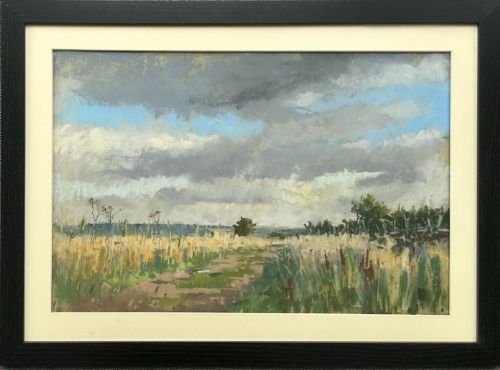
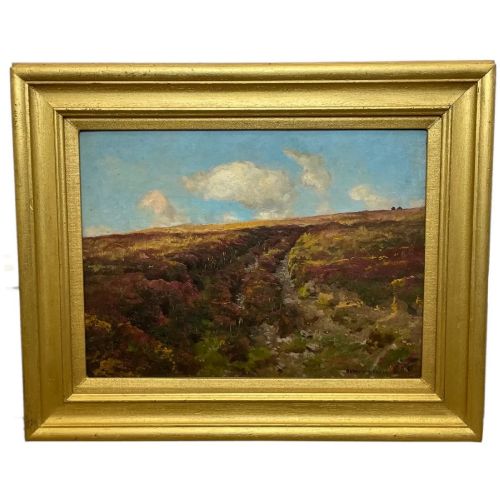
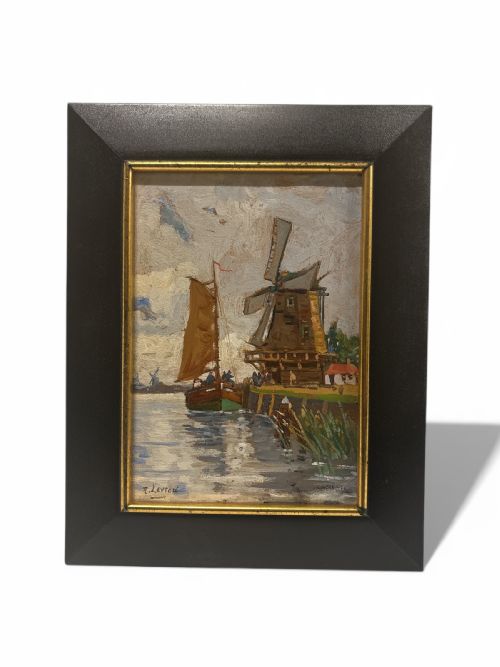
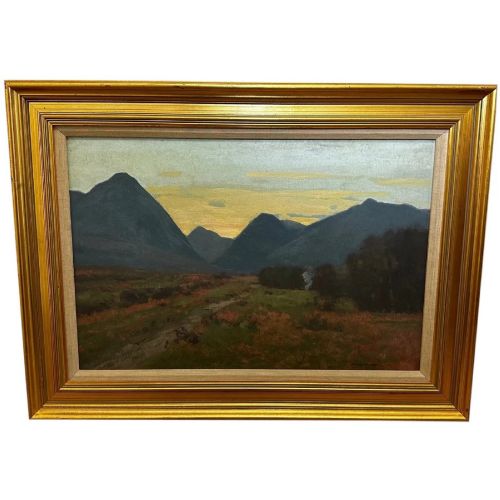
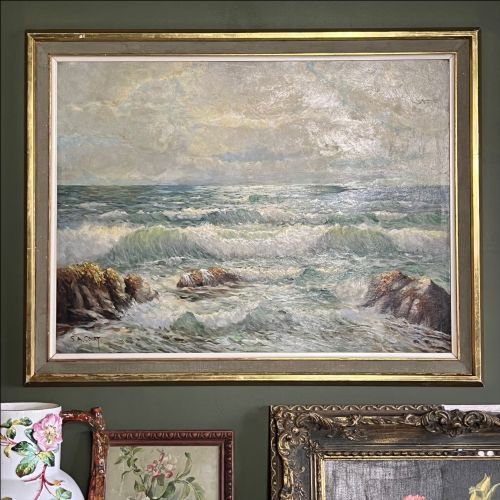
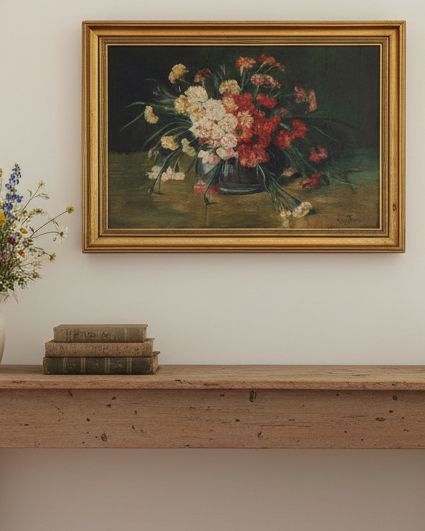
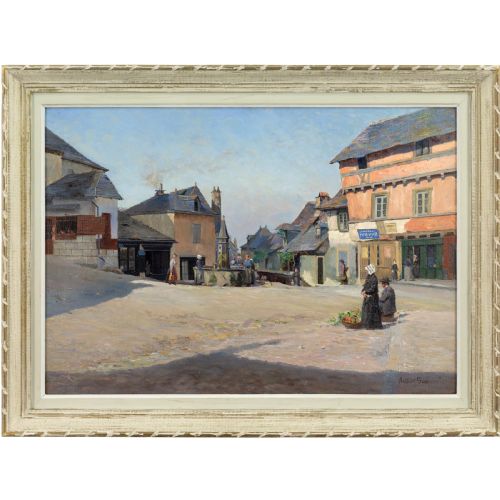
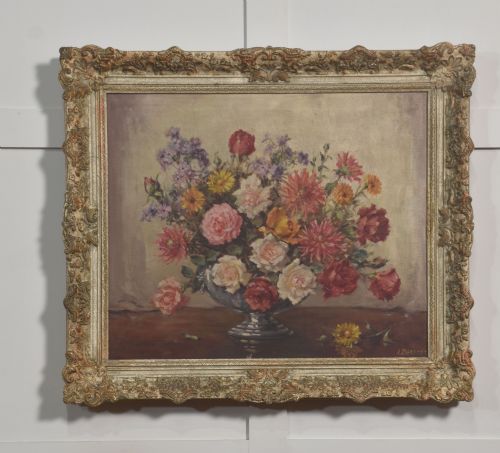
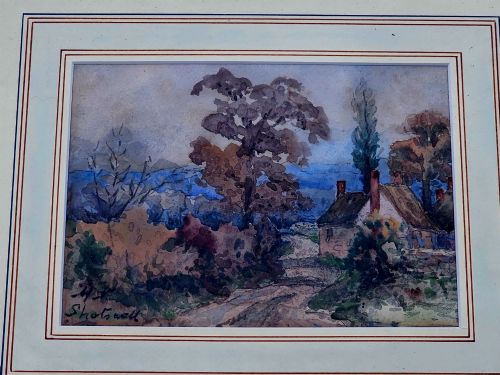
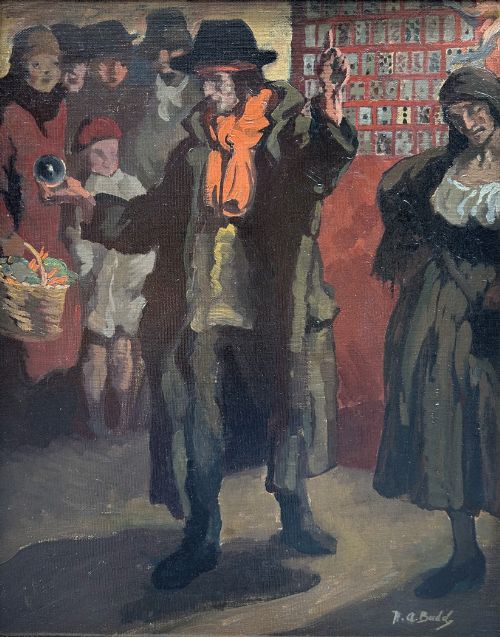
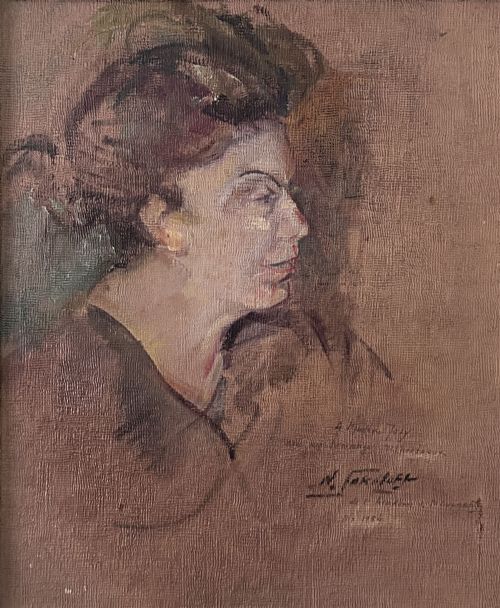
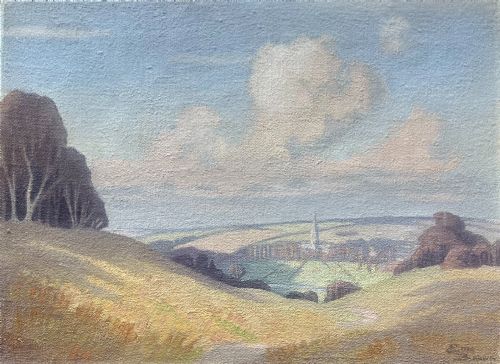
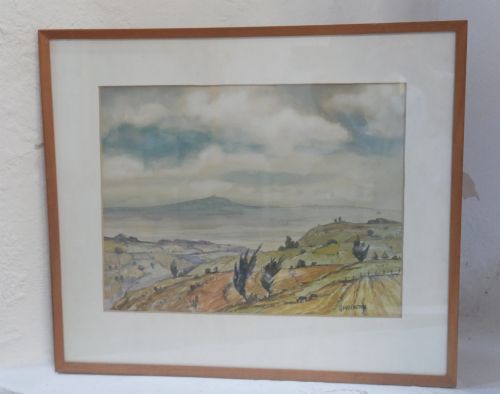
When you search for signed impressionist art, you encounter oil paintings, watercolours and pastels bearing the distinct signature of the hand that painted them. These works span domestic interiors, coastal scenes and quiet rural landscapes from various British and European studios.
This collection brings together pieces created during the Edwardian era, the Art Deco period and the wider expanse of the twentieth century. You will frequently find oil on canvas, oil on board and paper works that capture light en plein air or within framed gallery compositions.
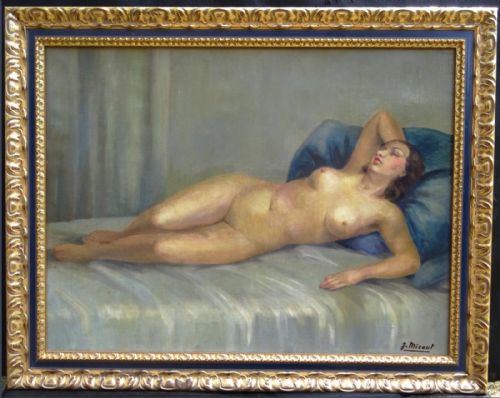
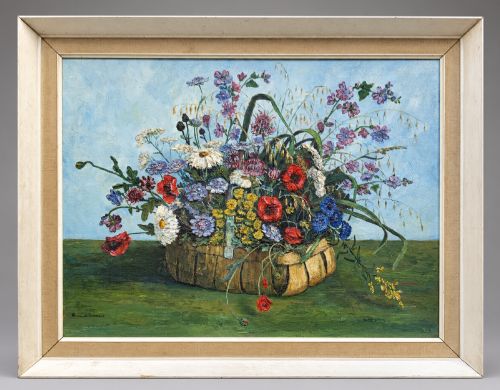
The subjects range from French post-impressionist nudes and still lifes of wild flowers to Yorkshire snow scenes and Cornish harbours. Each piece represents a specific moment observed by the artist and signed directly onto the work.
How they were made
Artists built these images using oil paint or watercolour applied to canvas, wood panels or paper sheets. Many of the outdoor scenes rely on en plein air techniques where the painter worked directly in front of the subject.
Canvases are frequently held within gilt or plain wooden frames that complement the painted surface. Pencil studies and pastels on paper show the lighter preparatory marks beneath or alongside the finished composition.
Signed Impressionist Art Retail Price Guide 2026
Typical asking prices for signed impressionist art among the pieces listed under this phrase on Sellingantiques today, from the lower quarter to the upper quarter. They describe what is for sale here now, not the wider market.
Listings span works produced from the nineteenth century through the 1960s, utilising canvas, wood, paper and glass.
What varies in quality
Quality rests upon the confidence of the brushwork and the clarity of the light captured within the frame. A stronger piece demonstrates deliberate handling of oil paint or watercolour that defines form without heavy reliance on outline.
The presence of a clear signature connects the work directly to the artist's recorded output. Condition also plays its part, distinguishing clean canvases and well-preserved paper from works bearing heavy surface disruption.
Robert Duddingstone Herdman·Angus Rands·R Leyton·Arthur Wardle·Sidney A Court·George Houston·William Banks Fortescue·Arthur Gué·Herbert Ashwin Budd·Eric Brown·Dame Laura Knight·Henri Vincent-Anglade·Sir David Murray·Herbert Royle·Fred Lawson·Arthur Herbert Rigg·Reginald Grange Brundrit·Philippa Maynard Romer·Caroline Burnett·E A Minardo·Augustus Edwin John·Lester Sutcliffe·Pauwels
The Signed Impressionist Art Glossary
- En plein air
- Painting outdoors to capture the actual light and atmosphere of a landscape directly onto the canvas. This method was widely adopted by impressionist painters.
- Post-Impressionism
- An artistic movement extending impressionist techniques while exploring more expressive forms and symbolic structures. It encompasses diverse European practices from the late nineteenth century onward.
- Gilt frame
- A wooden picture surround covered in a thin layer of gold leaf or metallic paint. These frames often accompany oil paintings to enhance the visual depth of the artwork.
- Pastel drawing
- A work created using dry pigment sticks on paper. This medium allows for soft colour blending and immediate marks.
Signed Impressionist Art: Frequently Asked Questions
What defines an impressionist oil painting?
An impressionist oil painting focuses on the depiction of light and fleeting moments through visible brushstrokes rather than smooth, blended finishes. Artists often worked outdoors to capture natural illumination directly.
These works usually feature everyday subjects, landscapes or figures rendered with a spontaneous application of oil paint on canvas or board.
How can I tell the period of a painting?
Dating relies on stylistic clues, materials such as wood panels or specific canvas weaves, and the framing traditions of the era. Signatures and dates written by the artist provide the most direct evidence.
Contextual details like Edwardian clothing or Art Deco composition styles also help narrow down the decade of creation.
Where were these artworks created?
The pieces originate from various locations across Britain and continental Europe, reflecting the travel and local studies of the artists. Cornwall, Yorkshire and French rural villages frequently appear in the landscape titles.
Artists often carried their materials directly to coastal harbours, country lanes and domestic gardens to record the scene in person.
How should I care for a framed oil painting?
Oil paintings on canvas or board require stable indoor humidity away from direct sunlight to prevent cracking in the paint layer. Dust should be removed gently from the surface and frame using a soft, dry brush.
Glass fronts on watercolours and pastels help protect the delicate paper and pigment from atmospheric moisture and touch.