





Signed English School Art
Signed english school art brings together centuries of portraiture and landscape, capturing the hand of the maker on canvas and paper.
Signed English School Art
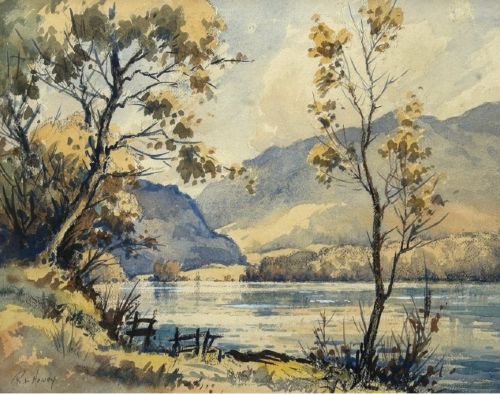
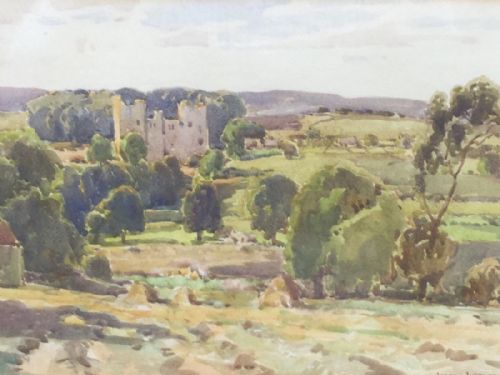
Signed english school art encompasses paintings created across multiple centuries, ranging from seventeenth-century copper portraits to mid-twentieth-century watercolours. The examples found here span diverse movements including Victorian realism, British impressionism, and twentieth-century British school.
Landscapes form a significant portion of these works, depicting scenes from Yorkshire to the Lake District using oil and watercolour. Portraiture is equally present, featuring Regency ladies and Victorian society figures rendered with distinct individual signatures or attributed hands.
How they were made
Artists worked primarily in oil paint and watercolour pigment, applying media to canvas, paper, wood panels, and copper plates. These traditional supports define the physical structure of the works, often framed by the period materials used in their construction.
Brushwork varies from the fine detail of portraiture to the broader strokes of landscape painting, reflecting the techniques taught within British artistic circles.
Signed English School Art Retail Price Guide 2026
Typical asking prices for signed english school art among the pieces listed under this phrase on Sellingantiques today, from the lower quarter to the upper quarter. They describe what is for sale here now, not the wider market.
Oliver Cromwell keeps watch from a seventeenth-century copper plate.
What varies in quality
Quality rests upon the confidence of the brushwork and the clarity of the composition, distinguishing accomplished studies from routine academic exercises. The preservation of the paint surface and the stability of the original support dictate the enduring integrity of each piece.
The significance of the signature and the strength of attribution also play a role, separating well-documented painters from lesser-known practitioners of the period.
Robert Leslie Howey·Reginald Grange Brundrit·Herbert Royle·Edith Alice Andrews·Rowland Henry Hill·George Graham
The Signed English School Art Glossary
- British School
- A term used to describe artists working within Britain, or influenced by British artistic traditions, across various centuries.
- Oil Paint
- Pigment suspended in a drying oil, allowing for rich colour depth and blended textures on canvas or wood.
- Watercolour
- A paint consisting of water-soluble pigments applied to paper, valued for its luminous and transparent quality.
- Panel
- A flat piece of wood used as a rigid support for painting, common in older works before canvas became dominant.
Signed English School Art: Frequently Asked Questions
What periods do these paintings cover?
The works span from the seventeenth century through the Victorian era into the mid-twentieth century, reflecting changing tastes in British art.
Each period brings distinct stylistic approaches to portraiture and landscape.
How should I display watercolour paintings?
Watercolours require placement away from direct sunlight to prevent the pigments from fading on the paper.
Framing behind conservation glass offers additional protection against environmental damage.
What is the difference between oil and watercolour?
Oils use an oil binder that sits on canvas or wood, creating heavy texture and deep colour saturation. Watercolours use a water-soluble binder on paper to achieve transparency and light effects.
How do I identify an indistinct signature?
Comparison with known regional artists, style analysis, and period framing clues help narrow down attribution. Fading over time often leaves signatures partially legible.