

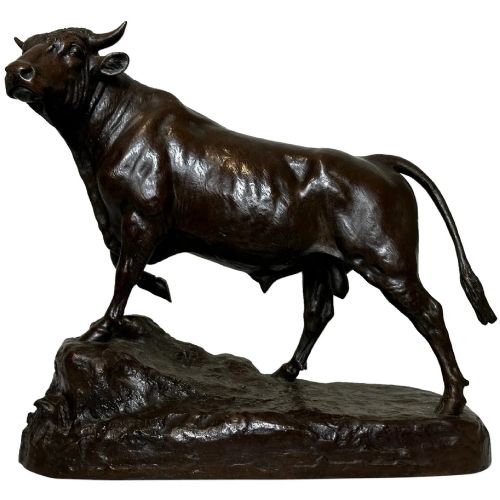

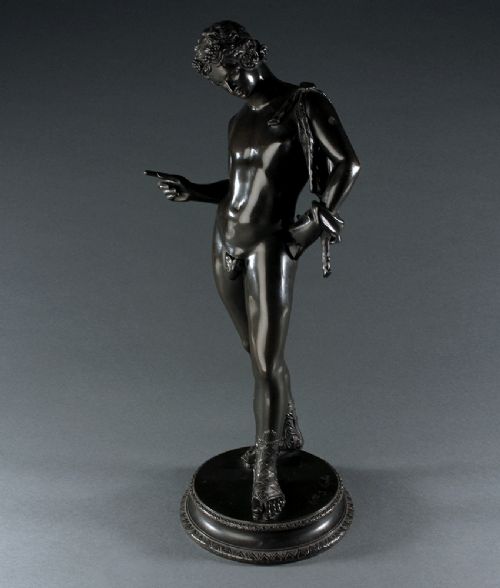
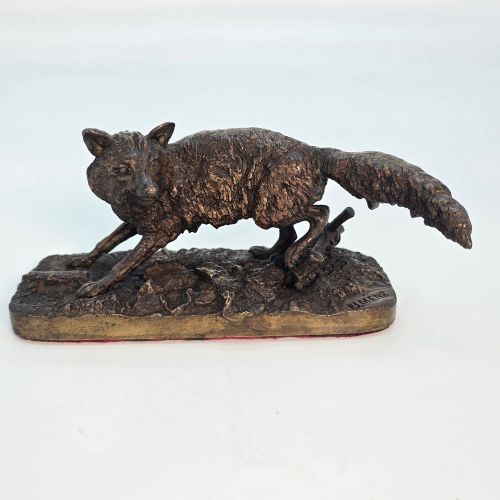
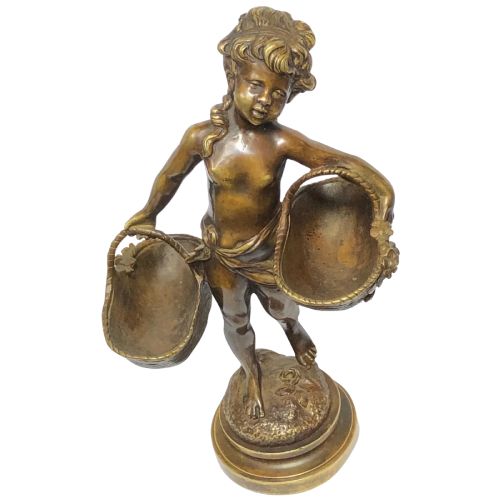




Signed Bronze Casting
These signed bronze casting pieces bring together skilled foundry work and recorded artist signatures, offering buyers genuine sculptural heritage.
Signed Bronze Casting
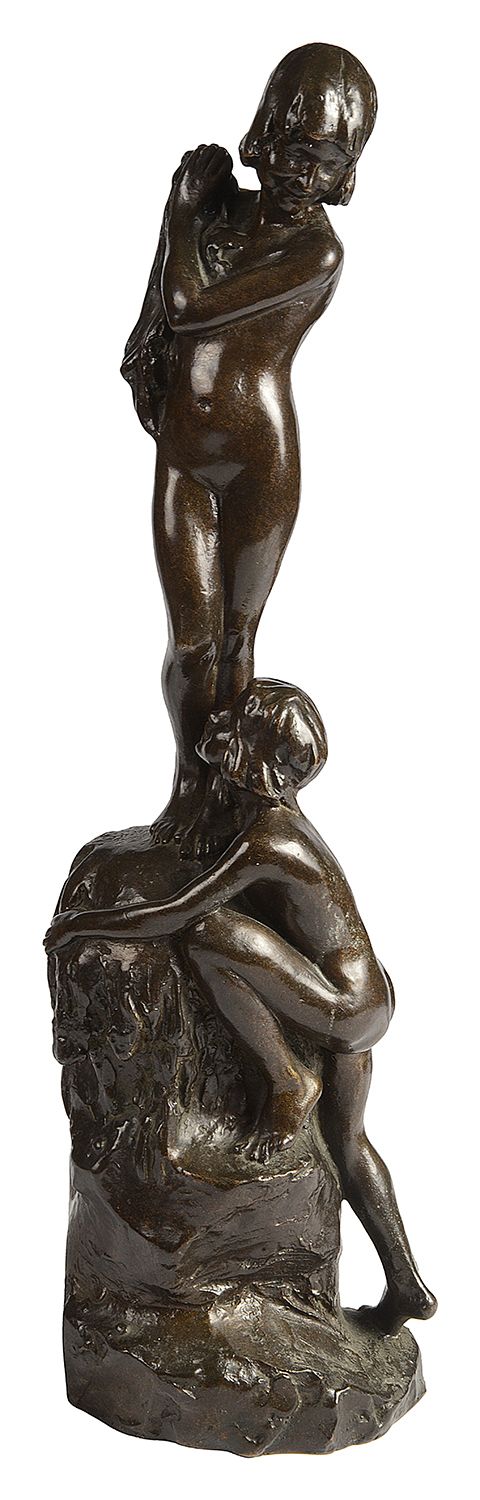
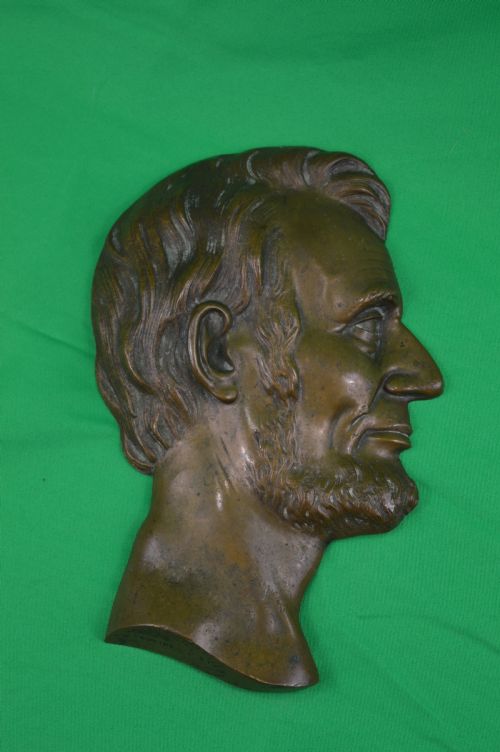
A signed bronze casting comprises solid bronze figures, animals, busts, and plaques bearing a maker or artist signature. These works include figures of animals, human portraits, mythological scenes, and architectural hardware.
The objects stem predominantly from the nineteenth century and the early twentieth century, spanning Victorian, Art Nouveau, and Art Deco styles. French workshops and international sculptors heavily populate the available pieces.
Buyers encounter both independent sculptures mounted on marble plinths and functional items such as door handles and vases. Each piece displays an artist mark or foundry signature embedded directly into the metal.
How they were made
Foundries produced these objects primarily through traditional hot cast bronze techniques, shaping molten metal into detailed moulds. Artisans utilised copper alloys to achieve durability and intricate surface detail.
Makers applied patinated bronze finishes and patinas to alter the surface colour and create depth in shadows and textures. Many figural works were subsequently mounted onto heavy marble plinths for stability.
Signed Bronze Casting Retail Price Guide 2026
Typical asking prices for signed bronze casting among the pieces listed under this phrase on Sellingantiques today, from the lower quarter to the upper quarter. They describe what is for sale here now, not the wider market.
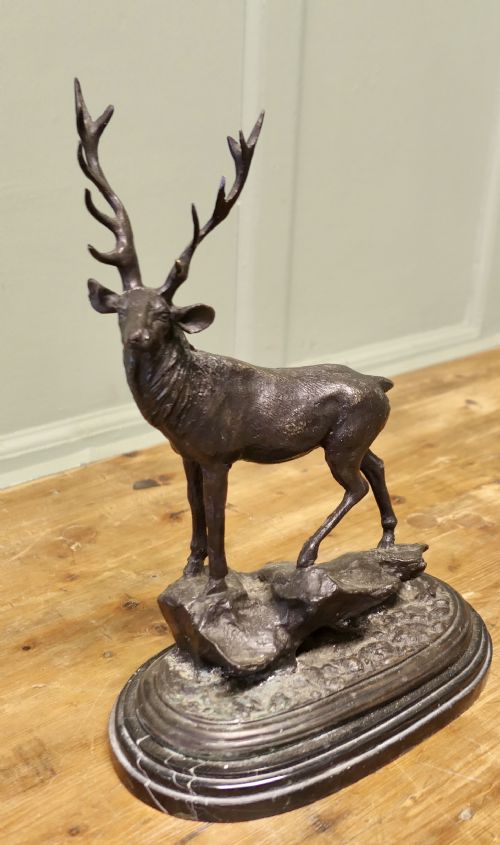
Even a panther or a stag needs a solid foundation, which is why sculptors frequently anchored wild beasts to heavy slabs of marble.
What varies in quality
The distinction between a finely hand-chased surface and a routine commercial production run determines the piece's sculptural merit. Original patination and substantial weight relative to size further elevate the standard.
Pierre-Jules Mêne·Auguste Moreau·Luigi Secchi·Alajos Strobl·G. Gardet·Antoine Bofill
The Signed Bronze Casting Glossary
- Patina
- A chemical or natural film on the surface of the bronze that alters its colour and tone. This layer protects the metal while accentuating sculptural details.
- Hot cast bronze
- A traditional method where molten bronze is poured into a mould. This technique captures fine details much more accurately than cold casting methods.
- Plinth
- A heavy base, often made of marble, supporting a sculpture. It provides physical stability and visual elevation for the artwork.
- Animalier
- A nineteenth-century artistic style focusing on the realistic depiction of animals. Sculptors in this tradition studied anatomy closely through life observation.
- Chasing
- The manual refinement of a raw bronze casting using punches and chisels. Artisans perform this step to sharpen details and remove casting flaws before applying a patina.
Signed Bronze Casting: Frequently Asked Questions
What is a signed bronze casting?
A signed bronze casting is a metal sculpture or decorative object bearing the physical signature or foundry mark of its creator. These pieces range from small animal studies to large human figures and portrait busts.
Creators stamped or cast their names directly into the metal during the manufacturing process, linking the physical object to a specific sculptor or workshop.
How do I identify the signature?
Signatures typically appear incised into the base, along the side of the bronze foot, or near the lower edge of the sculpture. You may need good lighting and a magnifying glass to read worn or cursive lettering.
Foundry stamps and artist monograms often accompany these signatures, providing additional clues to the origin of the casting.
How should I clean a bronze sculpture?
Bronze requires minimal intervention to preserve its original patina and historical surface. Dusting gently with a soft, dry cloth is usually sufficient for regular maintenance.
Avoid using water, chemical polishes, or abrasive cleaners, as these substances strip away the protective patina and damage the metal surface.