






Signed Architectural Painting
Signed architectural painting spans works on canvas, glass and iron panels that record historic buildings and civic spaces from the nineteenth and twentieth centuries.
Signed Architectural Painting
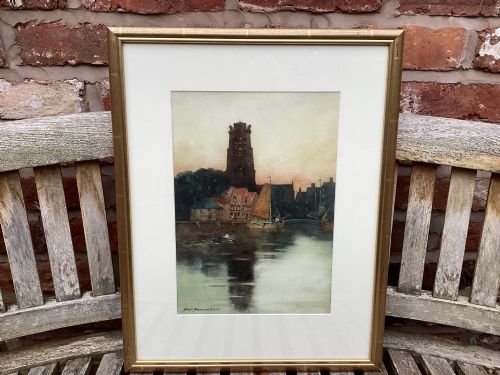
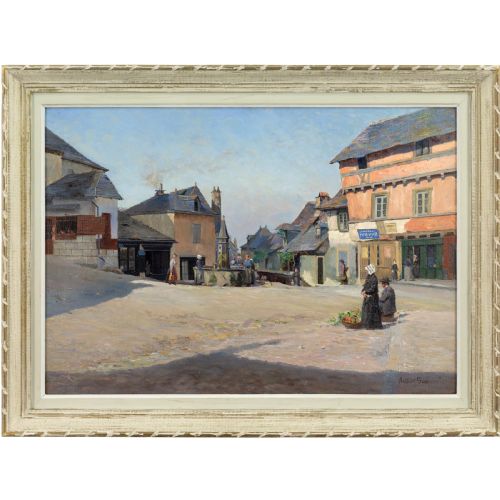
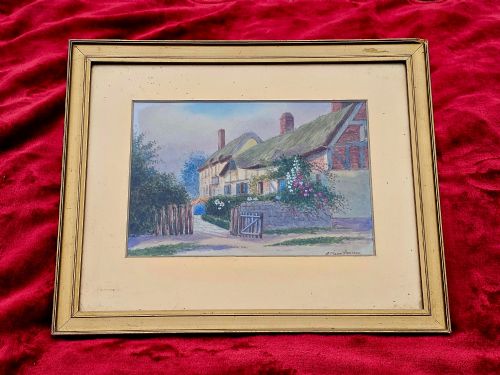
Signed architectural painting brings together framed watercolours, oil paintings on canvas and board, trade signs and painted metal plaques depicting structural subjects. When searching for signed architectural painting, buyers encounter works ranging from Georgian cast iron plaques to Mid-Century Modern industrial factory scenes and Edwardian glass shop panels.
The selection includes townscapes, abbey ruins, castle views and specific street locations rendered by named artists and regional makers. Pieces span the nineteenth century, the Edwardian era, the nineteen-twenties and nineteen-forties, capturing both grand European landscapes and local British landmarks.
Framed watercolours on paper and signed oils dominate the selection, often accompanied by carved wood shop signs and painted glass window panels. Each piece records a physical structure or urban view through the distinct hand of its creator.
Materials and technique
Makers utilised oil on canvas and board, watercolour on paper, cut and painted glass, and solid cast iron or carved wood. Pigments were applied to prepared panels, paper sheets or window glass to create durable structural records and commercial signage.
Metal plaques involved cast iron with painted highlights, while trade signs combined carved timber with gilding and paint. Paper works relied on watercolour washes and fine brushwork to delineate stonework and architectural detail.
Signed Architectural Painting Retail Price Guide 2026
Typical asking prices for signed architectural painting among the pieces listed under this phrase on Sellingantiques today, from the lower quarter to the upper quarter. They describe what is for sale here now, not the wider market.
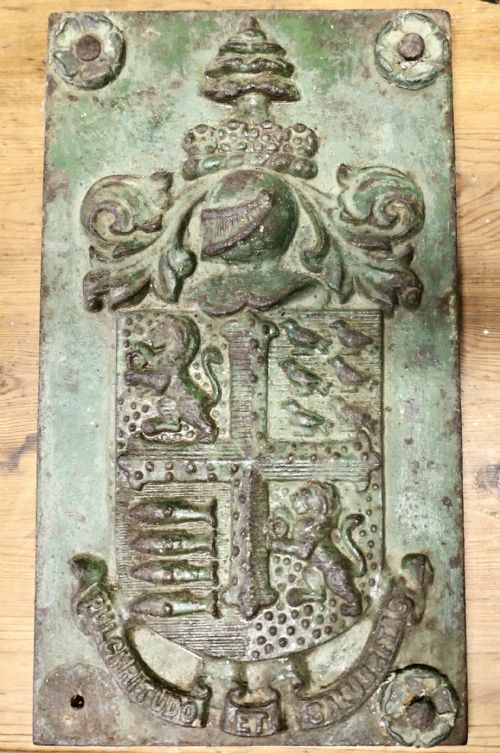
A nineteenth-century iron wall plaque proudly bears the official coat of arms of Bournemouth.
Defining quality
Quality rests upon the precision of the draughtsmanship and the stability of the medium, whether dealing with oil paint on canvas or cut glass panels. Stronger works demonstrate a confident handling of perspective and light across buildings and masonry.
The distinction between standard commercial pieces and superior examples lies in the fidelity of the architectural rendering and the subtlety of the colour palette. Artist signatures and dated inscriptions add a documented provenance that elevates the piece.
Muriel Metcalfe·A. Marie Parsons·Arthur Gué·Alfred George Morgan·Stanley Orchart·E A Minardo·Karl Herrle·Edith E Caswall·John Sowden·Fred Lawson·A Gilbert
The Signed Architectural Painting Glossary
- Watercolour
- A paint consisting of colour suspended in a water-soluble vehicle, frequently applied to paper for topographical and architectural views.
- Trade sign
- A board, glass panel or metal plaque created to advertise a business or profession, often incorporating architectural lettering and imagery.
- Constructivism
- An artistic and architectural style originating in Russia that emphasised abstract geometric forms and industrial materials, appearing in mid-century painting.
- Diptych
- A painting or artwork consisting of two flat plates or panels joined together, frequently seen in paired topographical watercolours.
Signed Architectural Painting: Frequently Asked Questions
What periods do these paintings cover?
The available selection spans from the Georgian era through the Victorian period, Edwardian times and into the mid-twentieth century. Works reflect the artistic styles and architectural preferences of each respective decade.
Examples range from early nineteenth-century canvas works to nineteen-fifties industrial constructivist scenes and post-impressionist townscapes.
How were glass trade signs used?
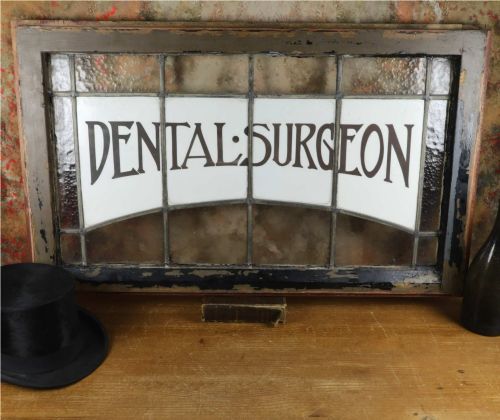
Cut and painted glass signs were installed in business windows during the Edwardian period to advertise specific trades, such as dental practices and tobacco shops. They served both a decorative and commercial purpose for high street premises.
These panels utilised specialised glass painting techniques to ensure visibility and durability within bustling retail environments.
Where should I hang an architectural oil painting?
These works suit studies, libraries and living spaces where their structural subjects and historic details can be appreciated up close. Proper placement avoids direct sunlight to protect watercolours on paper and oil pigments on canvas.
Pairing framed artwork with period interiors or neutral walls allows the composition and signature to remain the focal point.
How can I tell a watercolour from an oil painting?
Watercolours are executed on paper under glass, showing a translucent wash where the white of the paper illuminates the pigment. Oil paintings utilise thick or blended pigments on canvas or wooden boards, possessing a textured surface.
Examining the support beneath the medium clarifies whether the artist worked on paper, stretched canvas or solid board.