





Signed Vase
When you examine a signed antique vase, you connect directly with the individual hand that shaped, glazed, or painted it decades ago.
Signed Vase
A signed antique vase is a vessel bearing the personal mark, monogram, or signature of the artist, potter, or factory responsible for its creation. These pieces range from delicate porcelain vessels and earthenware to heavy crystal and bronze forms.
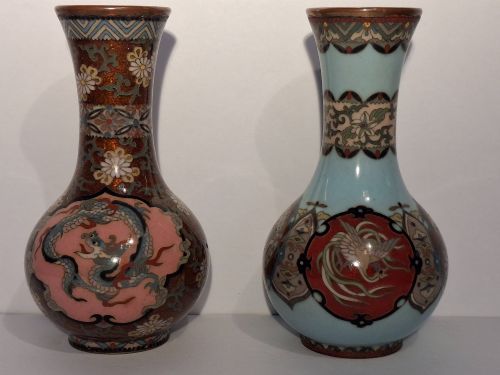
Buyers seeking a signed antique vase encounter examples spanning the late nineteenth century through the mid twentieth century, including Japanese Satsuma wares, British porcelain, and continental glass. The selection unites diverse global traditions under the common thread of traceable craftsmanship.
Makers and studios placed their signatures on ceramics, glass, and metalwork to denote pride in execution, whether through painted artist ciphers or impressed pottery marks. Each signed antique vase reflects the specific aesthetic movements of its period, from Art Nouveau curves to Meiji period complexity.
Materials and techniques
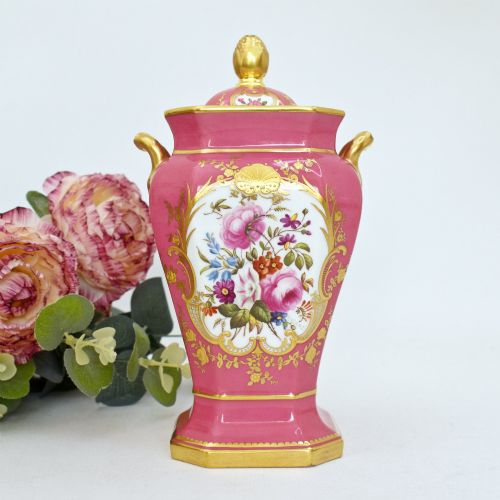
Porcelain and earthenware formed the structural foundation for many decorated vessels, shaped by hand or thrown on the wheel before receiving intricate overglaze enamels and gilding. Artisans applied gold leaf, oil paint, and coloured glazes to achieve rich surface textures and lustrous finishes.
Glass production utilised complex techniques such as acid etching, cameo carving, and the fusion of metallic oxides to create iridescent and multi-layered effects. Bronze and brass examples involved traditional casting methods, often paired with applied figures or patinated surfaces.
Signed Vase Retail Price Guide 2026
Typical asking prices for signed vase among the pieces listed under this phrase on Sellingantiques today, from the lower quarter to the upper quarter. They describe what is for sale here now, not the wider market.
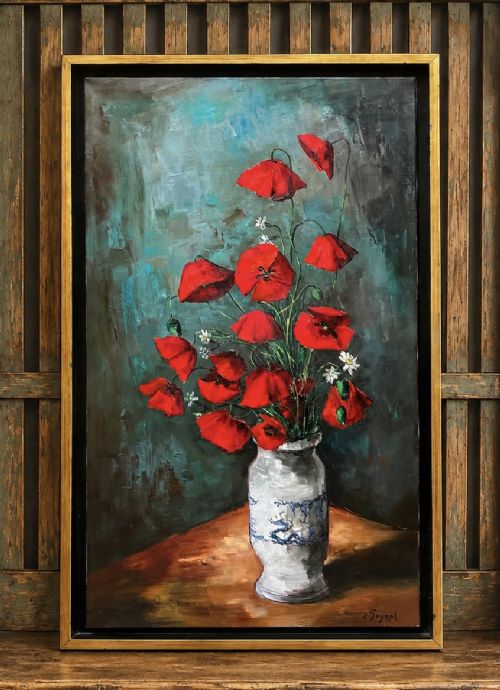
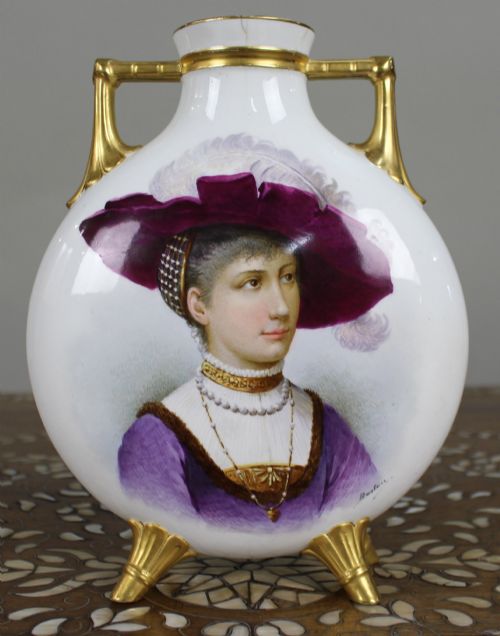
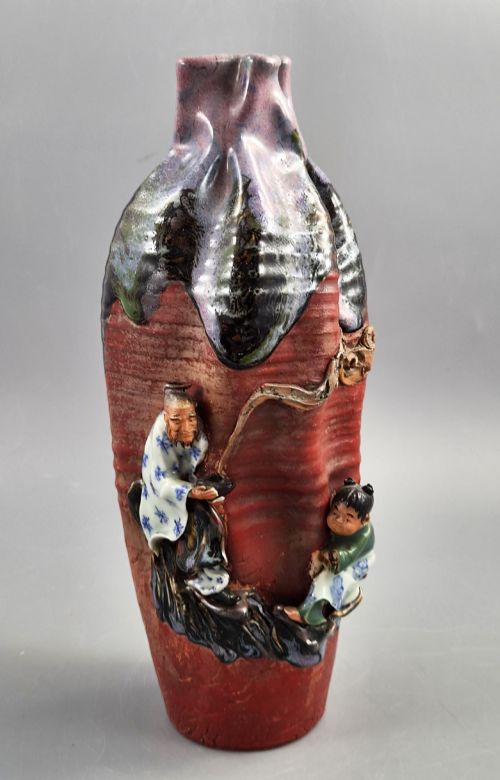
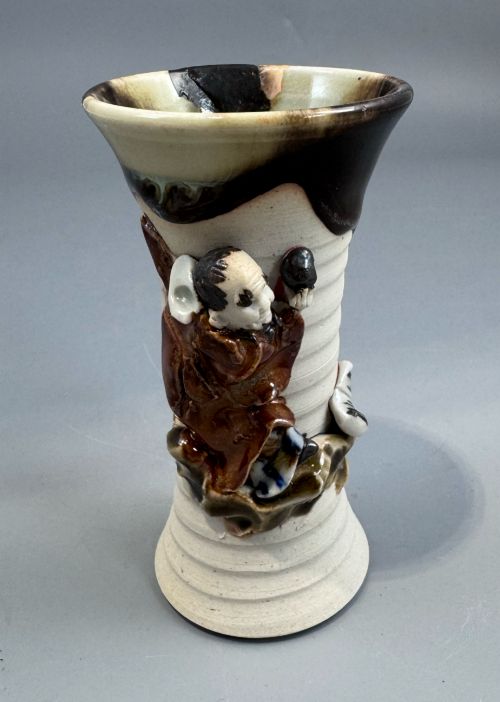
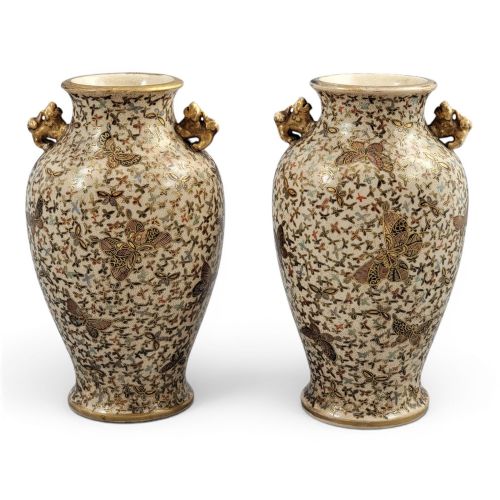
Some vessels wear their artists' signatures tucked modestly beneath painted butterflies and clinging children.
Distinctions in quality
Quality in these vessels rests upon the precision of the execution and the nuance of the hand-painted or modelled details. Master painters working for established potteries achieved subtle shading and anatomical accuracy that lesser decorators failed to match.
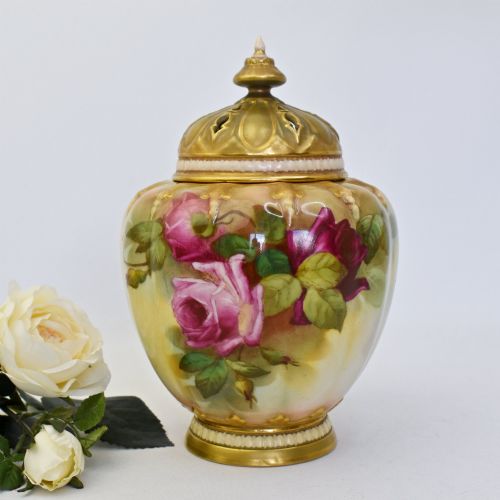
The complexity of the manufacturing process also dictates distinction, such as intricate pierced reticulation in porcelain or controlled chemical reactions in art glass. A superior example demonstrates complete harmony between the form of the vessel and the artistic application upon its surface.
Loetz Witwe·Royal Worcester·Royal Doulton·Royal Crown Derby·William Moorcroft
The Signed Vase Glossary
- Signature mark
- A painted, incised, or stamped identifier used by an artist or workshop to authenticate a piece. These marks range from elaborate calligraphy to simple initials.
- Overglaze painting
- A decorative technique where pigments are applied to a previously fired and glazed ceramic surface, requiring a subsequent lower-temperature firing to fix the colours.
- Reticulation
- An openwork pattern pierced through the clay body of a ceramic vessel before firing. This technique requires exceptional skill to prevent distortion or collapse in the kiln.
- Iridescence
- A lustrous optical effect displaying rainbow-like colours, often achieved in art glass by exposing the hot surface to metallic vapour.
- Baluster
- A vase form characterised by a swelling lower body that tapers towards a narrow neck, resembling an architectural pillar.
Signed Vase: Frequently Asked Questions
How do I identify a genuine signature?
Signatures on ceramics and glass typically appear as hand-painted ciphers, incised marks, or gold-script monograms embedded within or beneath the glaze. Examining the penmanship under magnification often reveals the fluid movement of the original artist's hand.
Compare the signature style and placement against authenticated records from the specific pottery or studio. Genuine marks correspond directly to the period materials and manufacturing techniques characteristic of that maker.
What periods do these pieces cover?
The available pieces largely span the late nineteenth century through the early decades of the twentieth century. This timeframe encompasses distinct stylistic movements including the Meiji period, Art Nouveau, and Art Deco.
Earlier nineteenth-century items and mid-century works also appear, showing the evolution of decorative arts. Each era introduced specific glazing methods, painting styles, and material compositions that help date individual items.
How were decorative vases displayed?
In period interiors, these vessels served as focal points on mantelpieces, central tables, and dedicated display cabinets. Large amphoras and monumental urns stood directly on the floor or on sturdy pedestals.
Smaller bud vases and spill vases held fresh or dried botanicals, while covered jars and pot pourri vessels contributed fragrance and visual colour to drawing rooms.
Are painted scenes hand applied?
The majority of fine examples feature entirely hand-painted decoration executed by specialist artists working for major manufactories or independent studios. Portraiture, floral studies, and landscapes required steady brushwork and deep familiarity with ceramic pigments.
Transfer printing sometimes augmented the base design, but master-signed pieces rely on individual artistic skill for their primary detail. This distinction accounts for the variation in visual depth across different examples.