



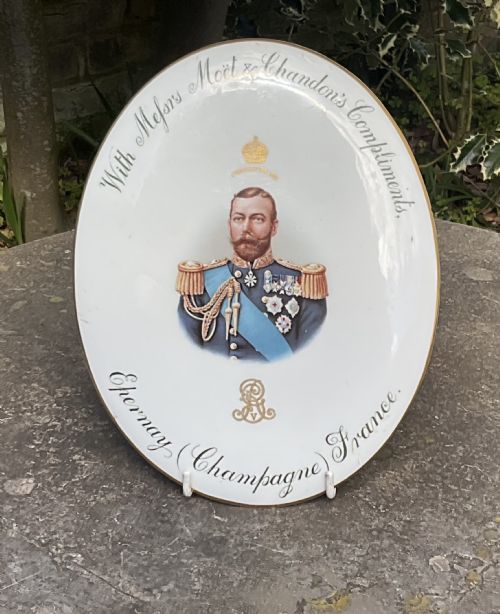

Signed Plate
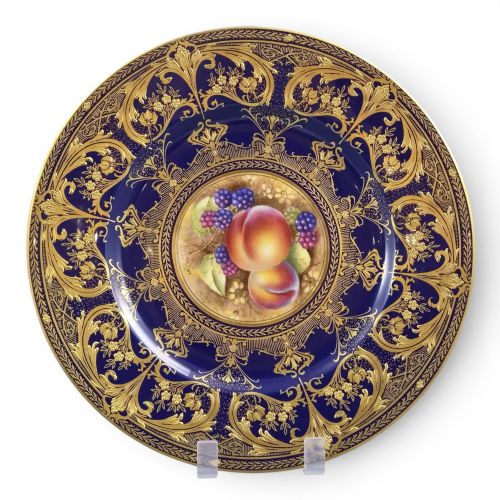
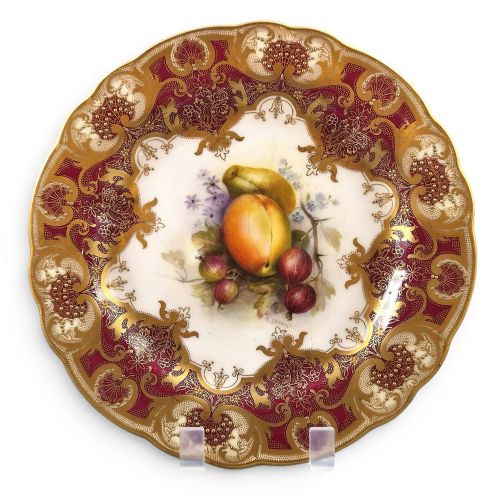
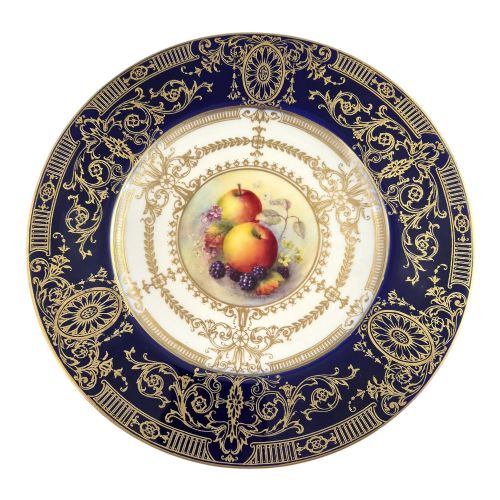
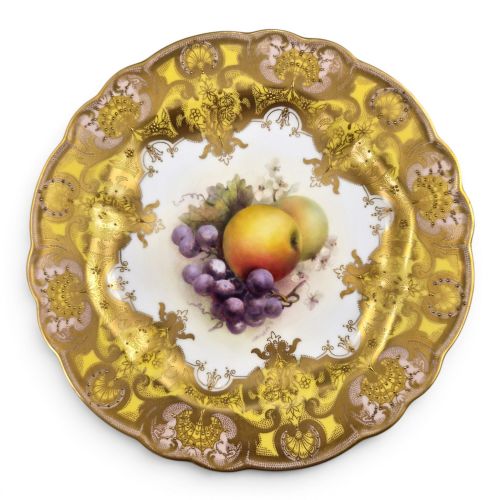
When you search for a signed antique plate, you enter a world of fine porcelain and hand-painted fruit panels that carry the brushmarks of master ceramicists.
Signed Plate
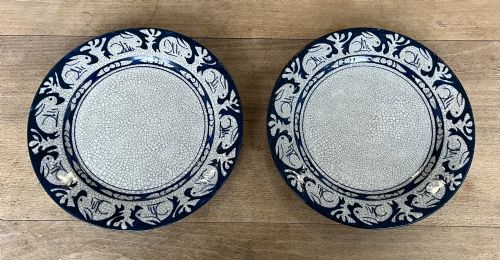
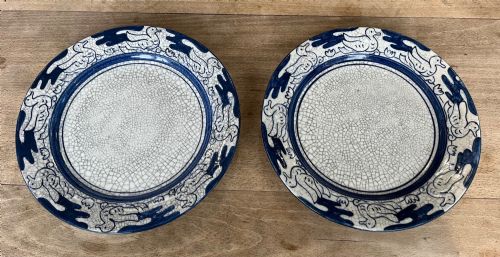
A signed antique plate is a decorative or cabinet display piece bearing the signature or mark of the artist, decorator, or potter who painted it. The pieces appearing here span from the mid-nineteenth century through the Edwardian era and mid-twentieth century, encompassing British porcelain factories, Japanese cloisonne workshops, and European studios. Buyers search for this phrase to acquire works of known authorship rather than anonymous factory output.
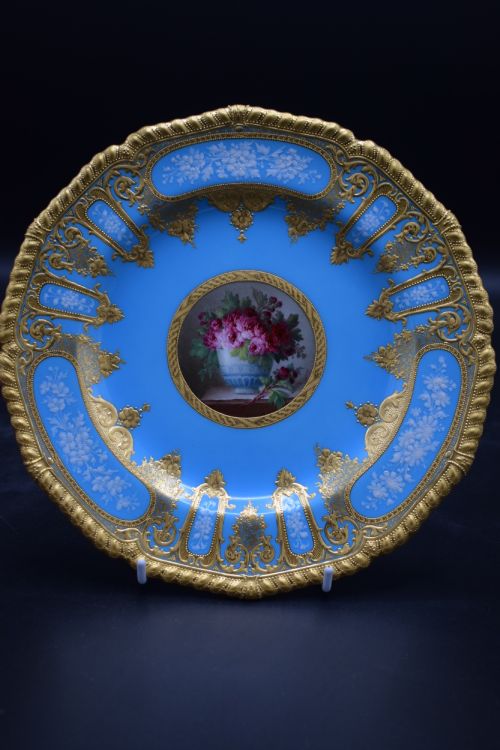
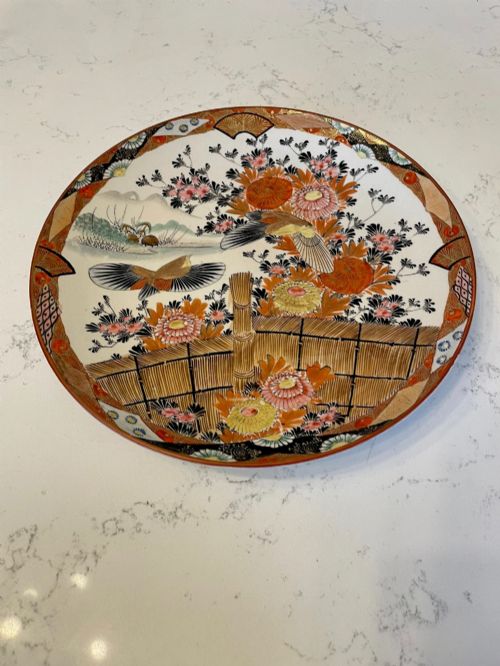
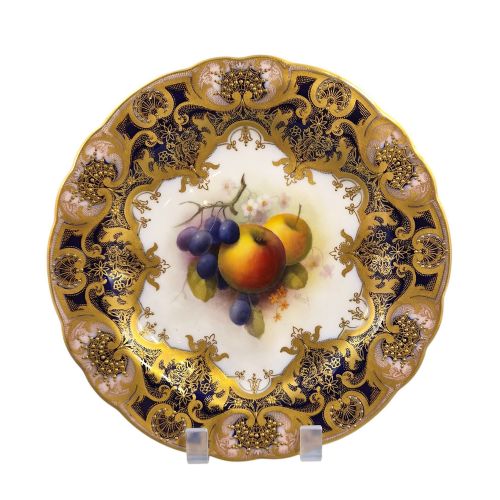
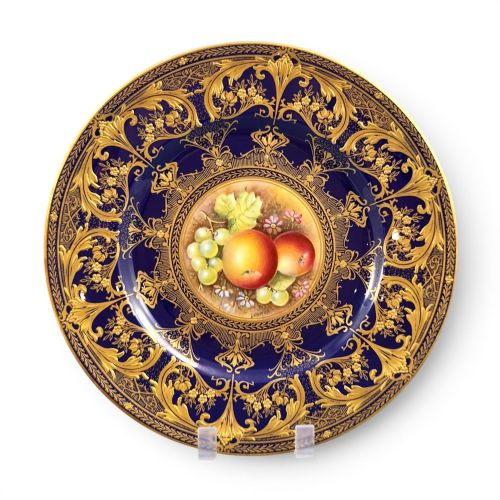
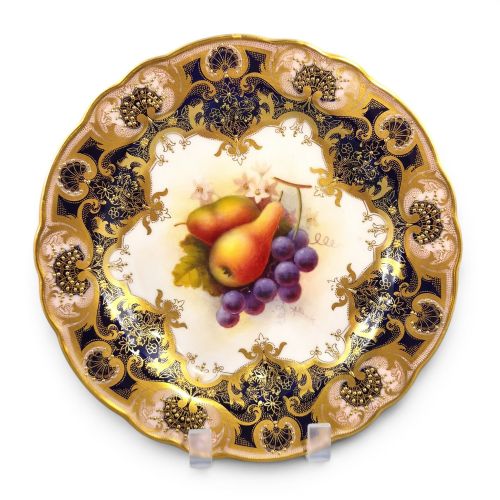
The most common examples on this page are cabinet plates and decorative dishes painted with botanical studies, fruit, or portraits. Names such as Royal Worcester and Royal Vienna dominate the ceramic entries, alongside Japanese chargers and metal plaques. Each form serves primarily for visual display rather than dining use.
How They Were Made
Makers utilised porcelain, bone china, ceramic, and metal as the foundation for these works, applying enamel, gold leaf, and hand-mixed paint to the surface. Porcelain bodies were fired at high temperatures before receiving intricate overglaze or underglaze decoration by specialist painters. Metal pieces employ brass, copper, and bronze, often combined with cloisonne wirework and enamel pastes.
Artists painted detailed fruit, floral arrangements, and figural scenes by hand, frequently firing the ceramic multiple times to fix the pigment. Signatures were brushed directly onto the glaze or painted into the composition before a final kiln cycle sealed the work. Gilding was added by hand using gold leaf or liquid gold preparations.
Signed Plate Retail Price Guide 2026
Typical asking prices for signed plate among the pieces listed under this phrase on Sellingantiques today, from the lower quarter to the upper quarter. They describe what is for sale here now, not the wider market.
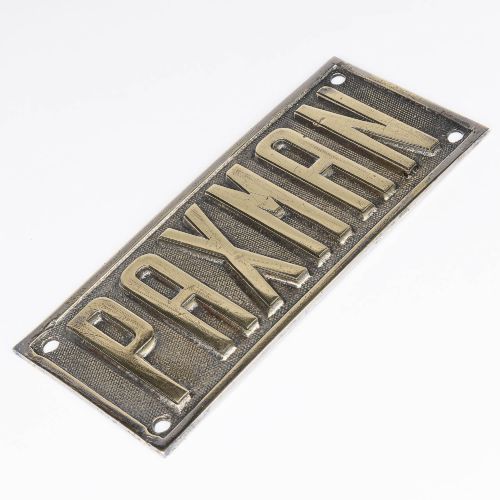
Object forms span cabinet plates, decorative chargers, plaques, and painted dishes alongside occasional advertising and street signs.
What Varies in Quality
The standing of the decorator dictates much of the value and distinction in these objects. Pieces painted by recognised studio artists command greater attention than those bearing standard factory cyphers alone. The complexity and density of the hand-painted subject matter, such as multi-layered fruit studies or detailed portraits, separate ordinary production from masterwork output.
Material quality and finishing also separate the ranges. Rich cobalt grounds, heavy raised gold leaf application, and crisp porcelain bodies denote higher workshop standards. The precision of the cloisonne wirework on Japanese chargers or the exactness of the enamel work similarly marks the upper tier of production.
Royal Worcester·Royal Vienna·Royal Crown Derby·Royal Doulton
The Signed Plate Glossary
- Cabinet plate
- A decorative ceramic plate intended for display in a cabinet or on a wall rather than for table service. These pieces usually feature elaborate painted scenes and gilt borders.
- Cloisonne
- A metalwork technique where thin metal wires are soldered to a base to form compartments, which are then filled with coloured enamel paste and fired. Japanese chargers frequently use this method.
- Totai shippo
- A specific Japanese cloisonne technique where enamel and wirework are applied directly over a porcelain body rather than a metal base. This creates a textured tree-bark effect across the surface.
- Gilt
- A thin layer of gold applied to the surface of porcelain or metal to create metallic highlights and borders. It is often burnished to achieve a bright shine.
Signed Plate: Frequently Asked Questions
What is a signed antique plate?
A signed antique plate is a decorative ceramic or metal object bearing the personal signature or cipher of the artist who painted or decorated it. These works were produced for display rather than everyday dining.
Collectors prize them for the direct link they provide to named painters from historic porcelain works and studios.
How do I identify the artist?
Artists usually signed their work directly on the front near the edge or within the painted scene, using initials or full surnames. Factory backstamps on the reverse can also help date the blank and narrow down the workshop.
Matching the signature to factory records confirms the decorator and the active period of production.
Where were these plates displayed?
Cabinet plates were historically kept inside glazed display cabinets to protect their painted surfaces and gilt edges from dust and damage. They were also mounted on walls using specialised wire hangers.
Today, they are still displayed on plate stands or hung securely on walls as focal points in a room.