

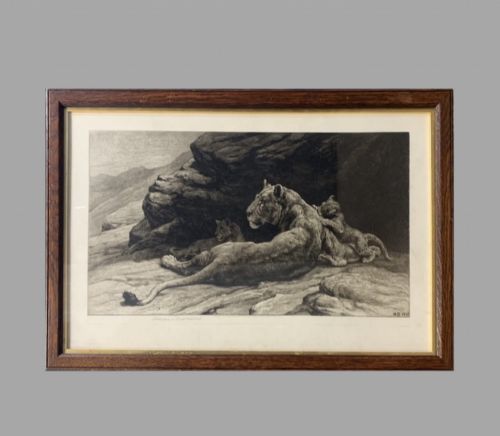


Signed Animal Art
Signed antique animal art brings together skilled handwork and natural subjects, offering everything from detailed etchings to oil paintings for your walls.
Signed Animal Art
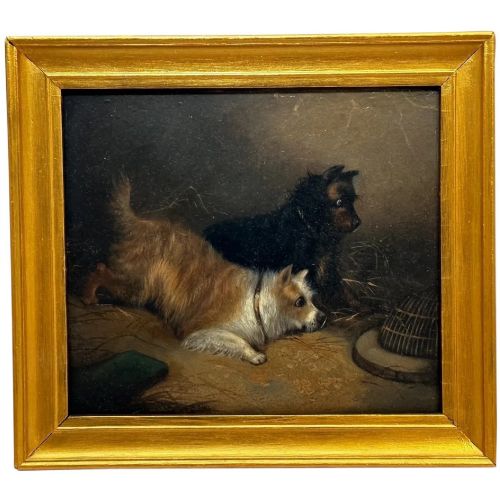
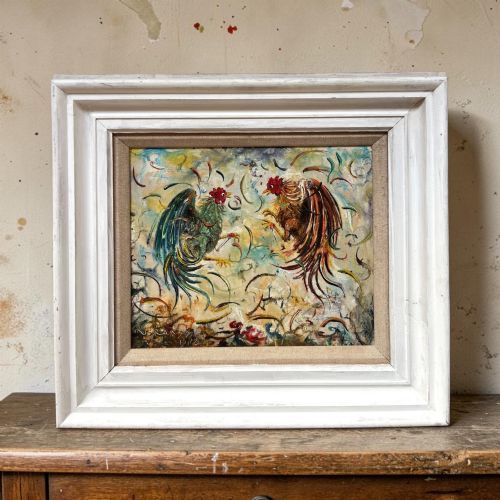
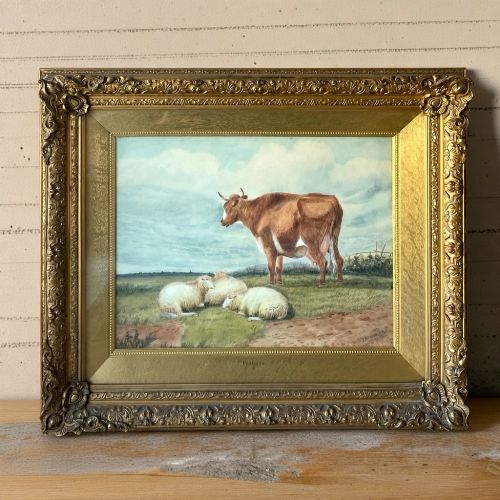
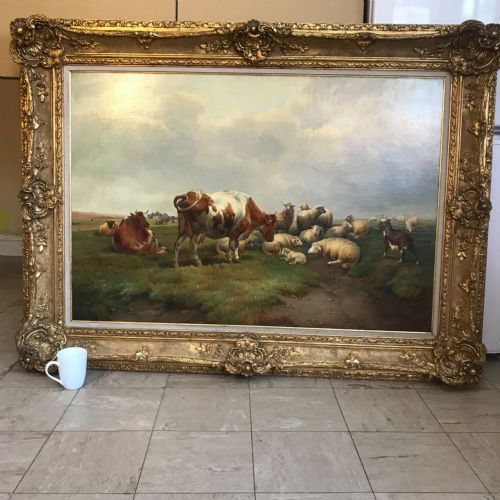
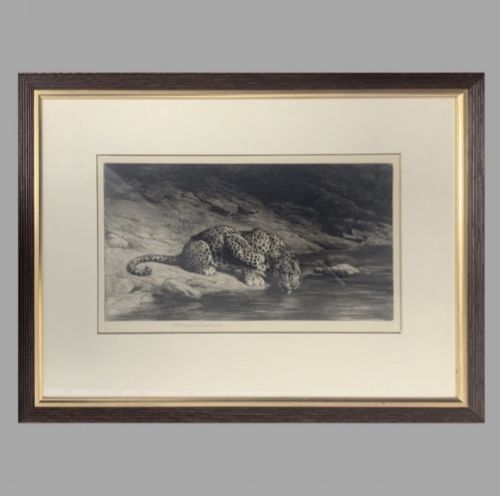
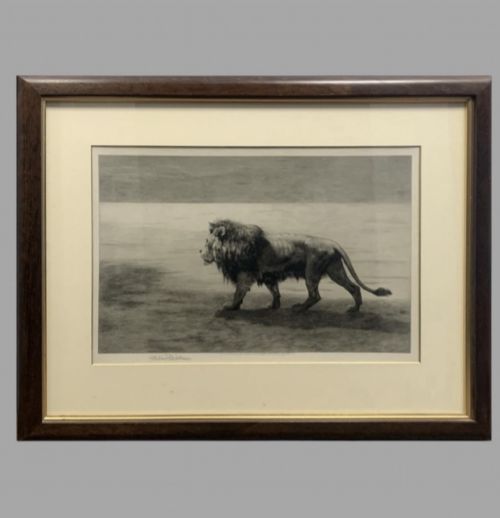
Signed antique animal art encompasses framed prints, oil paintings, etchings, and decorative sculptures depicting domestic animals and wildlife. When exploring signed antique animal art, you encounter works spanning the nineteenth century through the mid-twentieth century.
You find works originating from British and European hands, utilising mediums ranging from oil on canvas to carved wood. Each piece bears the signature or mark of the maker, establishing individual provenance.
Materials and construction methods
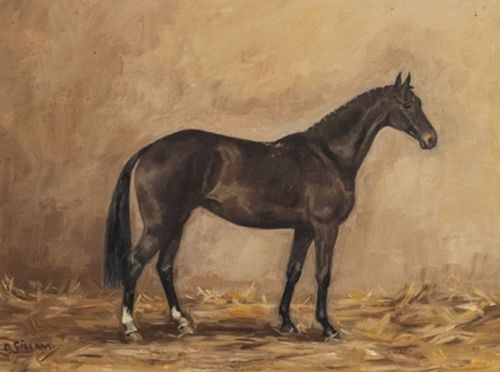
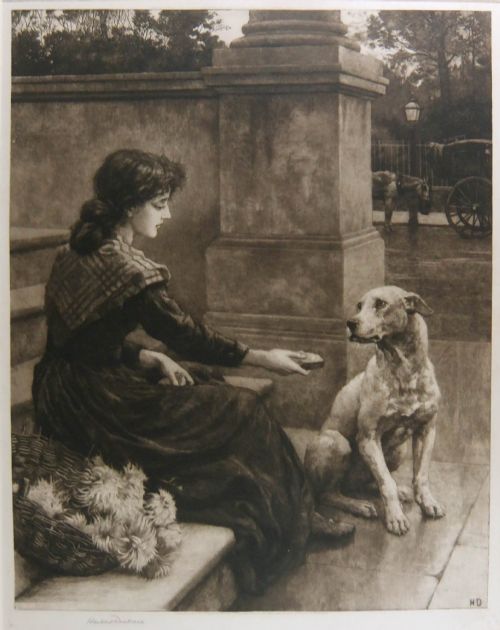
Painters applied oil pigments onto canvas, panel, and paper, frequently building rich textures for animal coats and natural landscapes. Printmakers produced limited edition etchings on paper and vellum, pulling impressions from carefully worked metal plates.
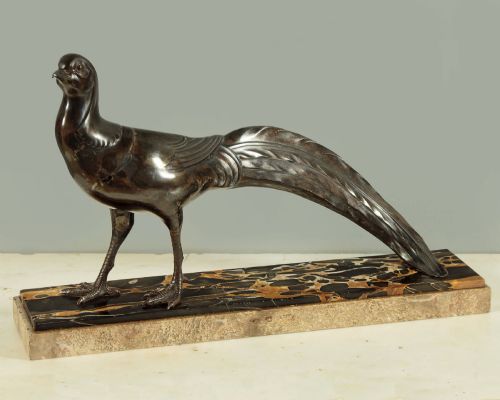
Sculptors carved figures from wood, such as traditional Black Forest pieces and intricate Japanese netsuke. Found bronze and metal sculptures utilise lost-wax casting methods to capture smooth muscle and athletic form in subjects like stags and bulls.
Signed Animal Art Retail Price Guide 2026
Typical asking prices for signed animal art among the pieces listed under this phrase on Sellingantiques today, from the lower quarter to the upper quarter. They describe what is for sale here now, not the wider market.
A rustic French butchers shop once displayed the large wooden cow trolley now repurposed as decorative folk art.
Distinctions in quality and execution
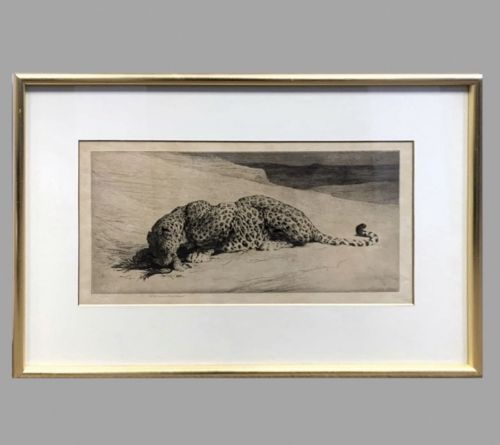
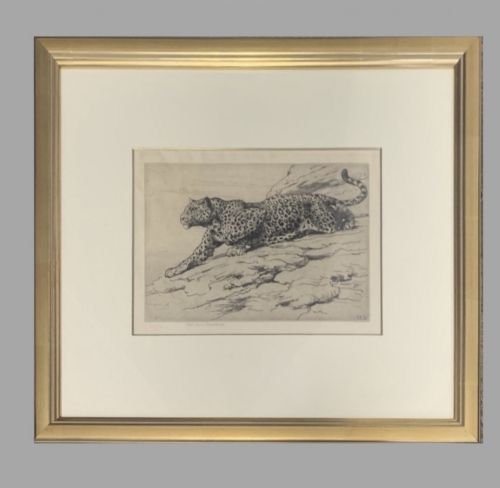
The primary distinction lies in the accuracy of anatomical drawing and the expressive handling of the subject. Master hands convey the weight of a heavy Shorthorn bull or the alert tension of a leopard with economy and precision.
Material preparation and preservation dictate longevity, from the tight stretch of canvas and stability of oil paint to the crispness of ink pulled from an etched plate on vellum. Finer carvings reveal deep undercut details in wood, whereas simpler folk pieces rely on bold outline and rustic utility.
Edgar Hunt·Herbert Dicksee·John Emms·Thomas Sidney Cooper·Albert Hussmann·Florence Mabel Hollams·I. Rochard
The Signed Animal Art Glossary
- Etching
- A printmaking technique where lines are bitten into a metal plate with acid before ink is applied and pressed onto paper or vellum.
- Vellum
- A fine parchment prepared from calfskin, prized by printmakers for its smooth surface and ability to hold fine inked detail.
- Artists Proof
- An impression of a print taken before the main edition is printed, retained by the creator and often bearing a signature.
- Netuske
- A small carved toggle traditionally worn in Japan, fashioned from wood or ivory to secure small pouches.
- Animalier
- A nineteenth-century artistic genre focused specifically on the realistic portrayal of animals.
Signed Animal Art: Frequently Asked Questions
How do I identify a genuine etching?
Examine the paper surface under magnification to check for a plate mark, which is the indented border pressed into the paper by the metal printing plate.
Genuine etchings display raised ink lines where the burr caught the ink, distinguishing them from flat photographic reproductions.
How should I hang oil paintings?
Position oil paintings away from direct sunlight and fluctuating heat sources to prevent the canvas and paint layers from cracking over time.
Ensure sturdy wall fixings support the weight of the original wooden frames, which can be surprisingly heavy.
What periods do these pieces cover?
The available works stretch from the nineteenth century through the Victorian era and into the interwar Art Deco period of the nineteen-thirties.
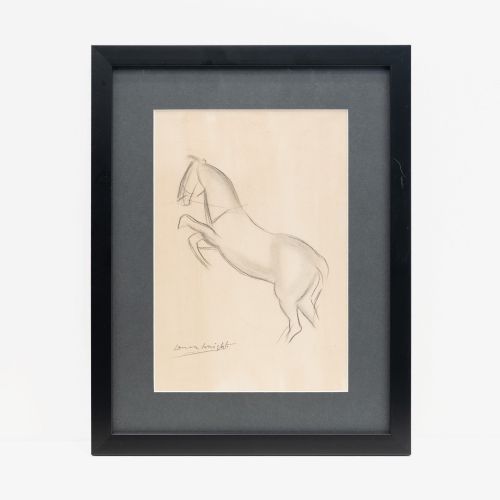
Later examples extend into mid-century pencil drawings and nineteen-fifties studies.