


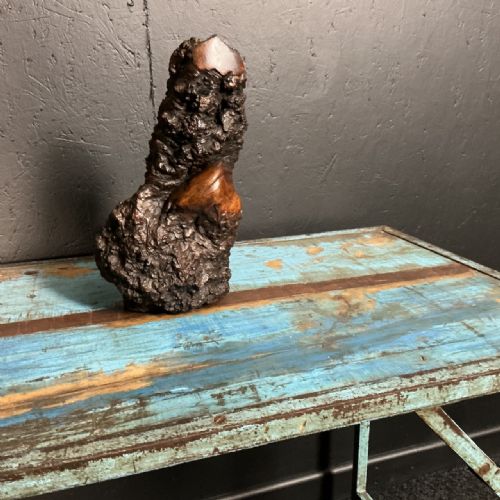


Shop Counter Advertising Display
Shop counter advertising display pieces are functional merchant showcases and figures designed to catch the eye of the customer, built to last through decades of retail trade.
Shop Counter Advertising Display
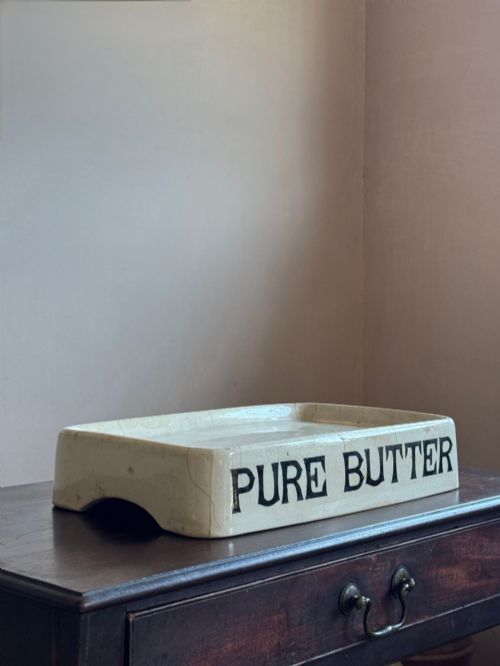
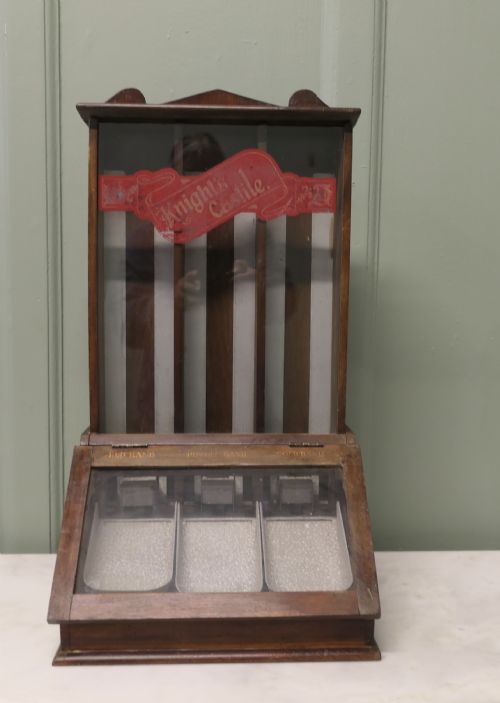
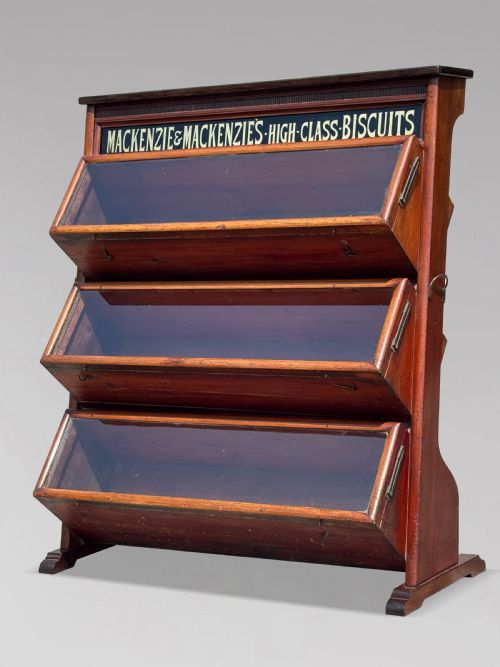
When searching for a shop counter advertising display, a buyer encounters a diverse range of merchant fittings spanning from the Victorian period through to the Art Deco era of the 1930s. These items range from glazed wooden cabinets built for confectionery, tea, and tobacco to plaster figures, mannequin busts, and specialised tabletop cases.
The most common forms met on this page are hardwood and mahogany display cabinets, often associated with prominent confectioners like Cadbury and Fry, alongside French lingerie mannequins and apothecary boxes. These pieces served the dual purpose of protecting stock while actively promoting specific brands directly to the public across the counter.
How They Were Made
Makers utilised sturdy timbers such as mahogany, oak, walnut, and general hardwood to construct frames capable of withstanding daily retail use, incorporating glazed panels to display contents clearly. Brass hardware frequently secured doors and hinges on desktop and countertop cabinets.
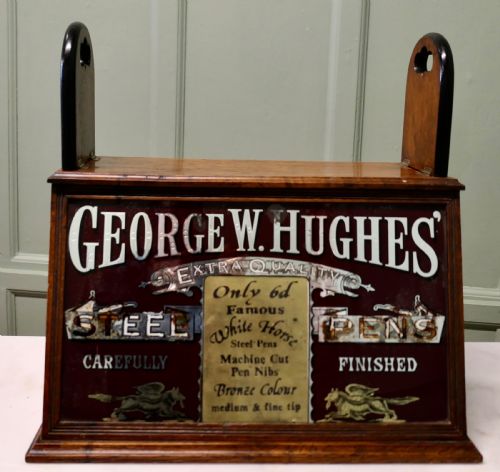
Plaster, paint, and gold leaf formed the primary materials for figures, mannequin busts, and advertising signs, allowing workshops to model intricate shapes and apply striking lettering. Some surfaces received later sign-written decoration to update branding for commodities like cocoa and tea.
Shop Counter Advertising Display Retail Price Guide 2026
Typical asking prices for shop counter advertising display among the pieces listed under this phrase on Sellingantiques today, from the lower quarter to the upper quarter. They describe what is for sale here now, not the wider market.
Listings feature pieces spanning the 19th Century, Victorian, Edwardian, and 1930s periods, constructed from glass, mahogany, brass, and plaster.
What Varies in Quality
The distinction between standard commercial units and superior examples rests upon the integrity of the original materials, the sophistication of the glazing, and the presence of authentic brand detailing. Cabinets constructed from dense hardwoods with original signage display greater character than plain utility boxes.
Figural pieces and mannequin busts vary according to the precision of the moulding and the preservation of the painted surface or gold leaf decoration. Original maker attribution on cabinets and signs elevates the piece from general shop salvage to a defined merchant artefact.
Mackenzie's Biscuits·Charmereine·GBD·Fry’s·Ermen & Roby·Cadbury’s·Terry’s of York·Rowntree’s·OXO·Venus Pencil
The Shop Counter Advertising Display Glossary
- Countertop cabinet
- A small glazed showcase designed to sit upon a retail shop counter for the close inspection of goods. These units kept delicate items secure while remaining at eye level for customers.
- Advertising sign
- A board or sculptural piece created to promote a specific commercial brand or product within a store. They utilise materials like briar pipe wood or painted surfaces to draw attention.
- Mannequin bust
- A sculptural representation of the upper body used by merchants to display clothing, hosiery, or accessories. French examples from the early twentieth century often exhibit refined modelling.
Shop Counter Advertising Display: Frequently Asked Questions
What were shop counter advertising displays used for?
Merchants utilised these glazed cabinets, figures, and boxes to present goods directly to customers while promoting specific commercial brands such as chocolate, tea, and tobacco on the retail counter.
They kept delicate merchandise secure and visible, turning everyday items into prominent focal points within Victorian and Edwardian shops.
How do I date a counter display cabinet?
Dating relies on observing the timber species, construction methods, and the stylistic cues of the period, such as Victorian mahogany framing or 1930s Art Deco lines.
Original branding, sign-writing, and hardware also provide clear indicators of whether a piece originates from the nineteenth century or the interwar decades.
Are later sign-written decorations common?
Many hardwood and glazed display cabinets feature sign-written decoration added later in their working lives to update the advertised goods for brands like Cocoa or OXO cubes.
These subsequent layers reflect the practical reuse of sturdy shop furniture as retailers changed their stock over time.