



Ship Lamp Light
A ship lamp light brings industrial maritime history into a room, offering robust construction and authentic nautical character.
Ship Lamp Light
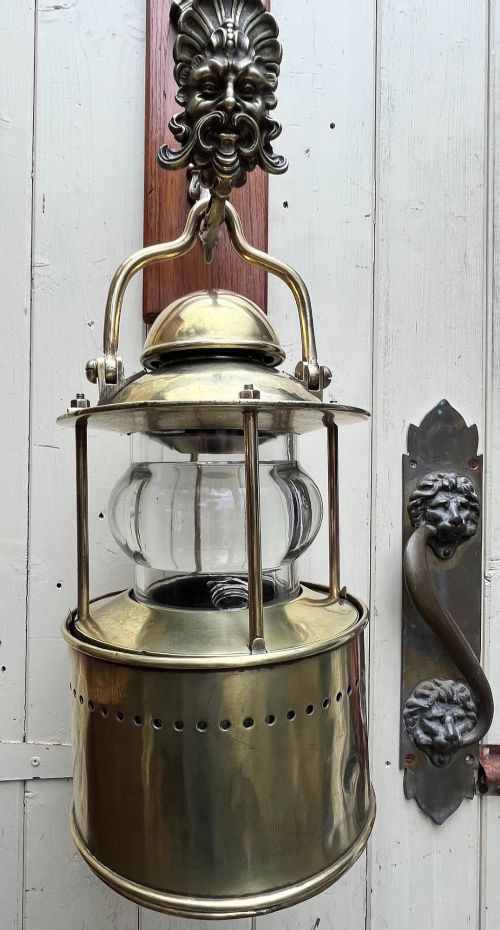
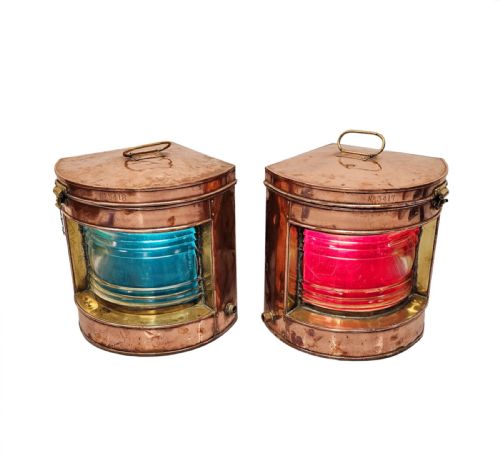
A ship lamp light encompasses a varied selection of functional marine lighting, including port and starboard lanterns, gimbal lamps, wall lanterns, and pendant lights. Buyers examining this category will frequently encounter solid brass and copper examples dating from the Victorian era through the early twentieth century. These items originated as essential navigational or interior equipment aboard vessels and galleons.
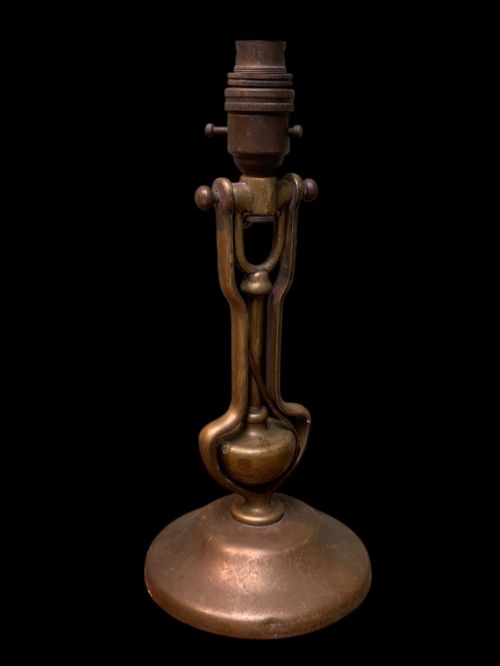
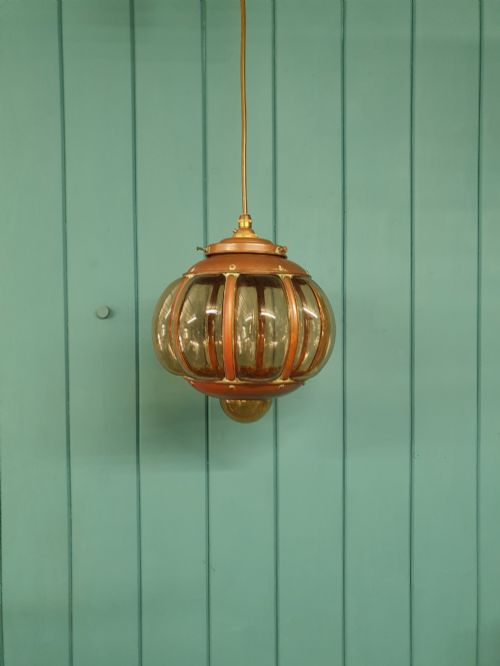
The assortment on this page ranges from utilitarian naval gimbal lamps in black enamelled iron to decorative Italian Venetian galleon chandeliers. Edwardian copper and smoked glass pendant lights appear alongside nineteenth-century brass table lamps and heavy-duty lanterns. This mix reflects both the practical needs of maritime service and the later domestic adoption of nautical styling.
How they were made
Construction relies heavily on durable metals such as brass, copper, and nickel plating, which resisted the corrosive marine environment. Makers incorporated heavy glass lenses and smoked glass panels to protect flames or early electric bulbs from wind and sea spray. Gimbal mechanisms utilised pivoting rings to keep the lamp level despite the rolling motion of a ship.
Assembly often involved riveting and soldering sheet copper and brass, paired with cast iron bases for stability in naval lighting. Surface treatments range from polished brass finishes to naturally patinated copper and black enamelled iron. Fabric elements occasionally supplement the metalwork in pendant and table configurations.
Ship Lamp Light Retail Price Guide 2026
Typical asking prices for ship lamp light among the pieces listed under this phrase on Sellingantiques today, from the lower quarter to the upper quarter. They describe what is for sale here now, not the wider market.
Some gimbal lamps served double duty, specified as suitable for mounting aboard either a rolling ship or a swaying train.
What varies in quality
Quality differences emerge in the weight of the metal gauge, the precision of the gimbal balancing mechanism, and the integrity of the original glass components. Heavy-duty cast brass and thick copper display superior structural resilience compared to lighter domestic adaptations. Maker involvement, such as pieces produced by established metalworkers, elevates the standing of an item.
The character of the surface finish also dictates value, with honest patination and intact manufacturer stampings preferred over over-polished or stripped surfaces. Complex configurations like multi-light chandeliers and matched pairs demonstrate higher tiers of period craftsmanship.
Alderson and Gyde Ltd·William McGeoch and Co
The Ship Lamp Light Glossary
- Gimbal lamp
- A lamp mounted on a pivoting ring system designed to remain upright regardless of vessel movement. This mechanism was essential for stable illumination aboard nineteenth and early twentieth century ships and trains.
- Port and starboard lanterns
- Navigational signal lights denoting the left and right sides of a vessel respectively. They typically feature coloured glass panels and robust copper or brass housings.
- Smoked glass
- Darkened or translucent glass used to diffuse light glare and soften the output of maritime lanterns. It appears frequently in Edwardian pendant variations.
- Chandeliers
- Hanging light fixtures with multiple branches, represented here by Italian galleon forms. These decorative pieces translate maritime themes into interior lighting.
Ship Lamp Light: Frequently Asked Questions
How do ship gimbal lamps work?
A gimbal lamp uses concentric pivoting rings that allow the light fixture to swing freely and maintain a vertical position. This engineering counteracts the pitch and roll of a ship at sea.
Such mechanisms ensured that oil or paraffin flames remained stable and safe inside cabins and mess halls during rough weather.
Where were copper ship lanterns used?
Copper ship lanterns were mounted on the exterior decks, bridge wings, and masts of vessels for navigation and signalling. Their metal construction withstood harsh saltwater exposure.
Later adaptations brought these robust fixtures into domestic hallways and maritime-themed interiors.
What is a port and starboard light?
Port and starboard lights are directional navigational markers placed on opposite sides of a ship. Port indicates the left side with a red signal, while starboard denotes the right with green.
Antique examples retain thick Fresnel lenses designed to project light across long distances at sea.
How do I style a nautical pendant light?
A nautical pendant light works well suspended over kitchen islands, dining tables, or in high-ceilinged hallways. Their industrial metal hoods and glass shades anchor rustic or transitional interiors.
Pairing them with warm vintage-style filament bulbs enhances the historic character of the copper or brass metalwork.