



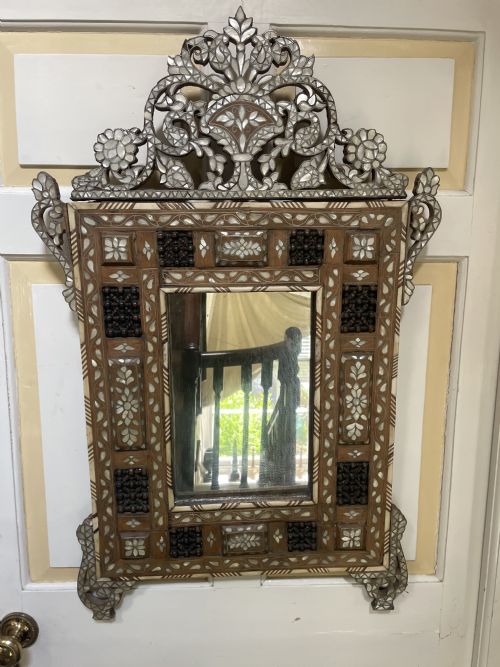


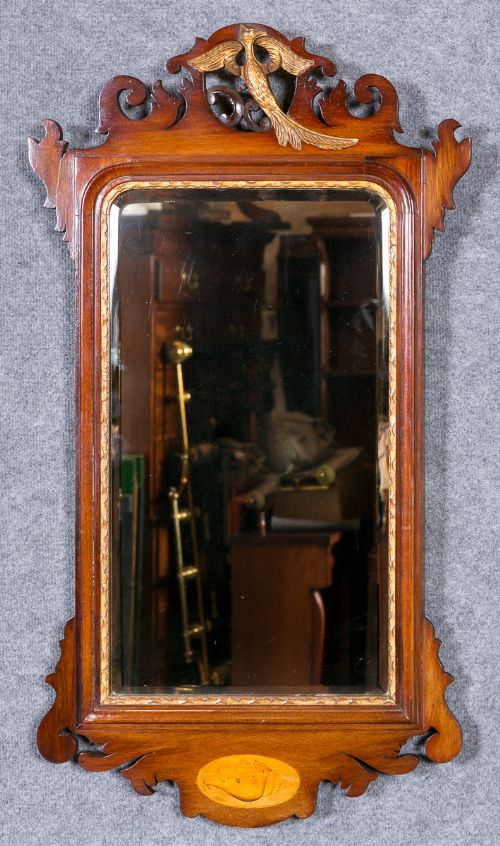
Shell Inlaid Frame
A shell inlaid frame brings extraordinary texture and shimmering nacre to any interior wall.
Shell Inlaid Frame
A shell inlaid frame combines carved timber with shimmering marine elements to create striking decorative wall art and mirrors.
The pieces on this page span several distinct periods including the Georgian era, the nineteenth century, and the Edwardian period.
How they were made
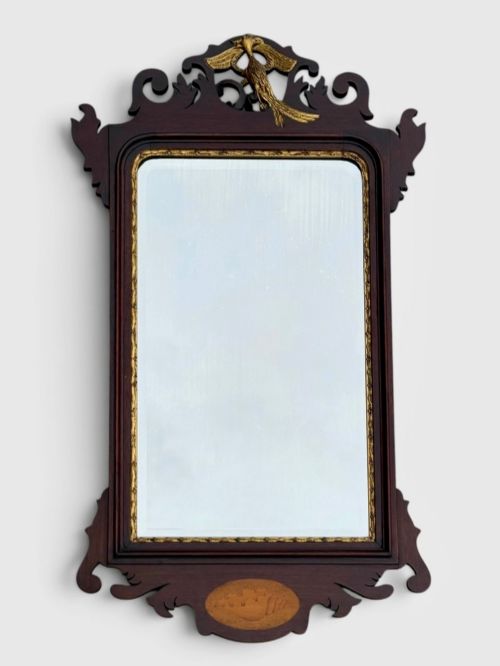
Craftsmen built these frames using traditional timbers like mahogany, walnut, and fruitwood, often shaping them with fretted or carved details.
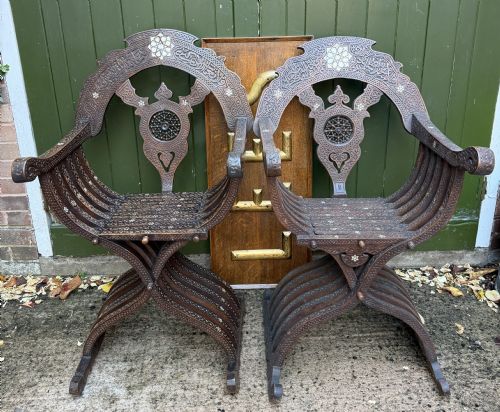
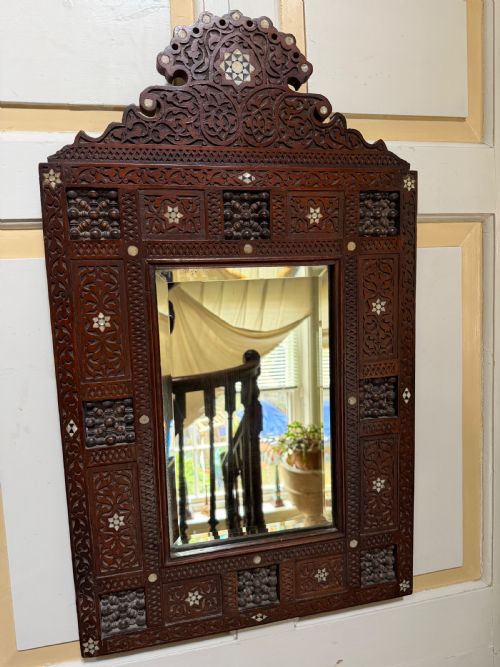
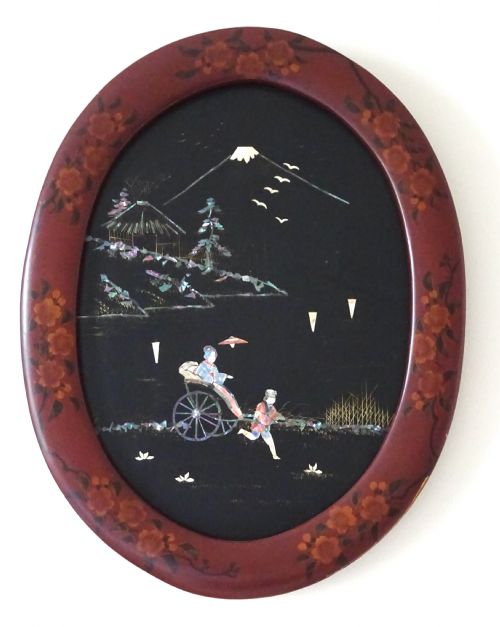
Makers applied intricate mother of pearl, abalone, and nacre-shell inlay into the timber and lacquer surfaces, sometimes combining them with bone or mashrabiya turned panels.
Shell Inlaid Frame Retail Price Guide 2026
Typical asking prices for shell inlaid frame among the pieces listed under this phrase on Sellingantiques today, from the lower quarter to the upper quarter. They describe what is for sale here now, not the wider market.
One unusual survivor on this page combines mother of pearl with an oak frame and the uplifting message Stayed Upon Jehovah.
What varies in quality
Quality rests in the precision of the timber carving and the complexity of the shell inlay work, from simple borders to elaborate pictorial scenes.
The integration of materials dictates the standard, where tightly fitted nacre and balanced proportions elevate an ordinary mirror into a refined piece of craftsmanship.
The Shell Inlaid Frame Glossary
- Mother of Pearl
- An iridescent inner layer of shells used for decorative inlay. It creates a shimmering effect that catches the light from different angles.
- Nacre
- Another term for mother of pearl, frequently used in Levantine and Syrian woodworking. This organic material adds depth and varied colour to wooden frames.
- Mashrabiya
- An architectural element of turned wooden lattice panels found on Levantine frames. These intricate geometric lattices frame mirrors and panels with traditional craftsmanship.
- Fretwork
- Openwork carving cut into wood with a fretsaw, common on Georgian style and Edwardian frames. This technique provides delicate silhouette patterns around the edge of a glass.
- Abalone
- A marine mollusc shell yielding colourful, highly lustrous inlay material. It displays deep blues and greens alongside traditional silvery tones.
Shell Inlaid Frame: Frequently Asked Questions
What periods do these frames come from?
The pieces span multiple eras, including Georgian style revivals, the nineteenth century, and the Edwardian period.
Craftsmanship styles range from British mahogany fretwork to Levantine and Syrian nacre-inlaid woodwork.
What materials are used in the inlay?
Makers utilised mother of pearl, abalone, and nacre-shell, occasionally combining them with bone on walnut or fruitwood.
Some Asian examples incorporate shell inlay set directly into red lacquer panels.
How do I clean a shell inlaid frame?
Dust the timber gently with a dry, soft cloth to protect the delicate shell and bone elements.
Avoid chemical polishes or excessive moisture, which can damage the lacquer and natural nacre.