





Sheep Landscape Art
Sheep landscape art captures the pastoral calm of rural life, offering buyers a serene window into nineteenth and early twentieth-century countryside scenes.
Sheep Landscape Art
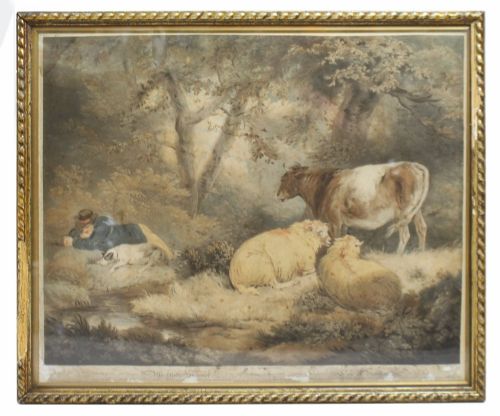
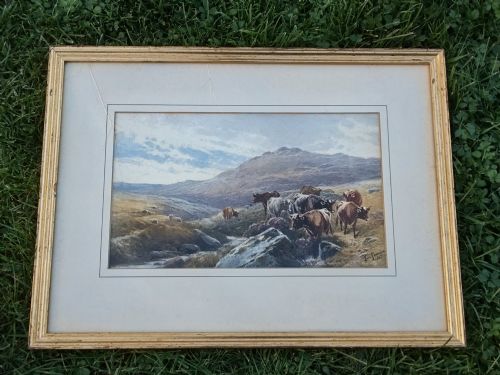
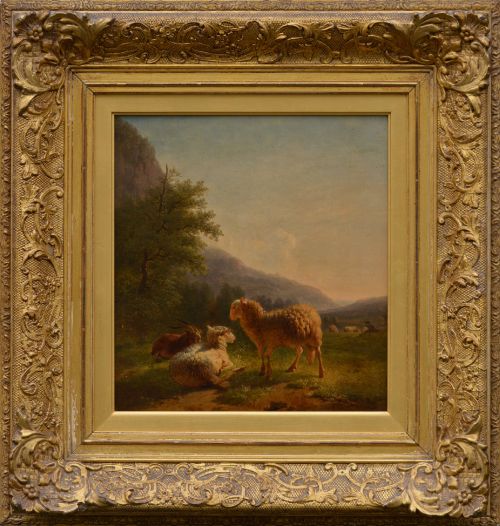
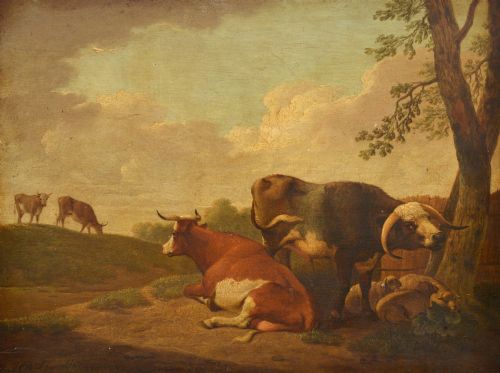
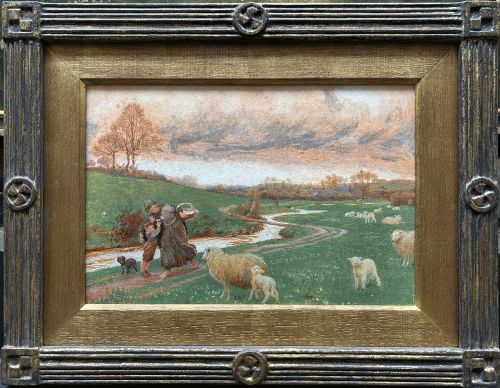
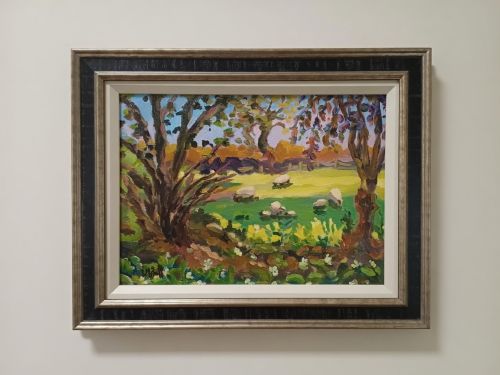
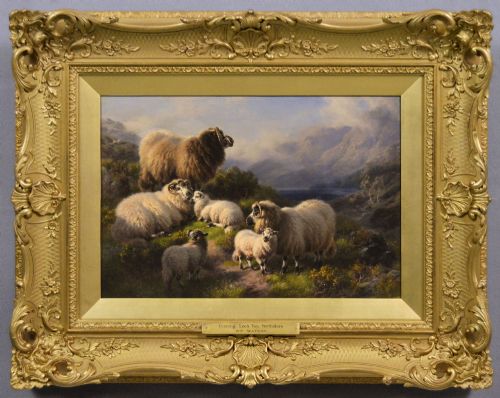
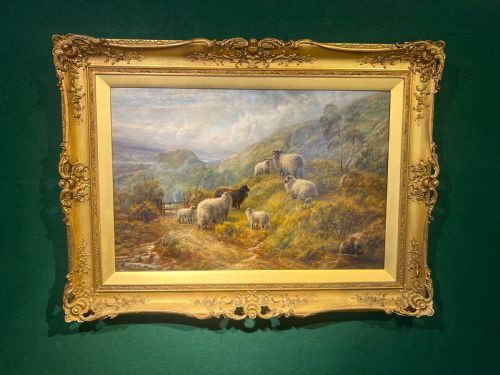
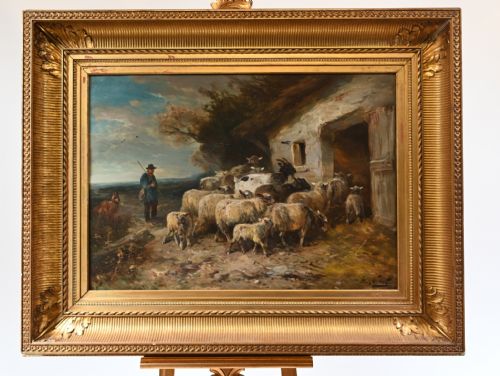
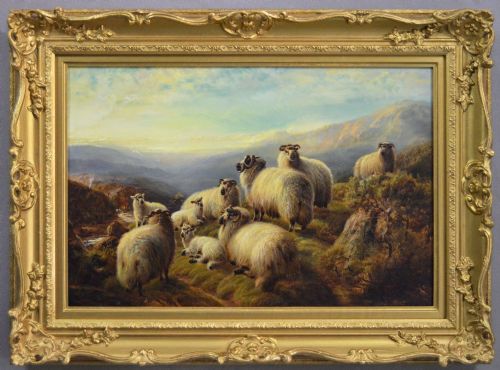
When you search for sheep landscape art, you find pastoral oil paintings and watercolours depicting flocks grazing across British, Scottish, and European countryside settings. These works range from intimate studies on wood panels to large canvases framed in ornate wood and gesso.
The selections span the nineteenth century through the Edwardian period, often capturing specific rural regions like the Scottish Highlands, Welsh valleys, and English farmland. Painters of this era focused heavily on atmospheric daylight, whether rendering quiet evening pastures or brisk winter snow scenes.
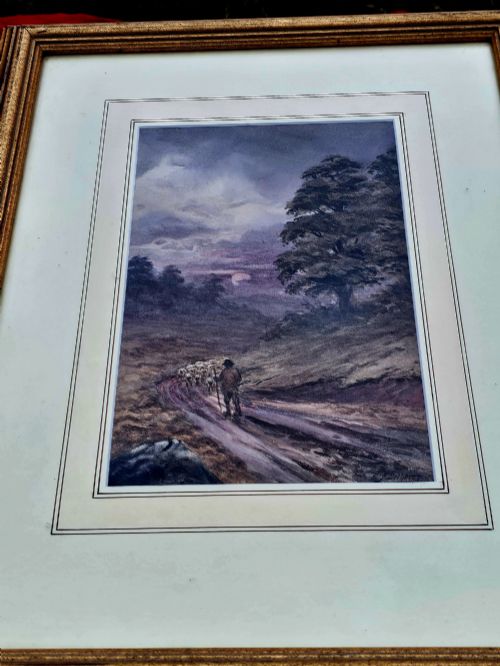
Most pieces show animals tended by shepherds or resting near coastal paths, rivers, and moorland cottages. Buyers encounter both accomplished works by named artists and expressive pieces originating from broader regional art schools.
How they were made
The majority of these works employ oil on canvas or delicate watercolours applied to paper. Artists built up their compositions using traditional brushwork, often layering oils to capture the texture of wool and the changing light of rural skies.
Support materials vary from stretched canvas and heavy paper to timber panels, frequently housed within period giltwood or gesso frames under glass. These framing choices reflect the standard presentation methods of the Victorian and Edwardian eras.
Sheep Landscape Art Retail Price Guide 2026
Typical asking prices for sheep landscape art among the pieces listed under this phrase on Sellingantiques today, from the lower quarter to the upper quarter. They describe what is for sale here now, not the wider market.
Listings feature oil on canvas, watercolour, and wood panel, spanning nineteenth-century realism to British Impressionism.
What varies in quality
The distinction between standard works and finer examples lies in the artist's ability to render anatomical realism in the animals alongside atmospheric depth in the landscape. Superior paintings demonstrate confident brushwork that defines the texture of fleece and the specific qualities of morning or evening light.
Compositional balance also dictates distinction, where master hands integrate figures, livestock, and topography into a unified narrative rather than a rigid backdrop. The integrity of the original backing materials and period frames further distinguishes museum-grade survivals from later restorations.
George Morland·Eugène Verboeckhoven·Tom Campbell·Hendrik Willem Schweickhardt·Robert Watson·Henry Schouten·Cornelius Pearson·Henry Charles Fox·Franz van Severdonck·Owen Bowen·William Sydney Cooper·James de Rijk·Herbert Royle·Charles Jones·George Turner
The Sheep Landscape Art Glossary
- Gesso
- A plaster-like mixture applied to wood frames before gilding or painting. It provides a smooth surface for intricate moulded decorative details.
- Mezzotint
- A printmaking process where the copper plate is roughened to achieve rich tonal gradations. It allows for subtle transitions between light and dark areas.
- Giltwood
- Timber carved and coated with a thin layer of gold leaf. This material defines the ornate frames typical of nineteenth-century salon paintings.
- Pastoral
- A genre of art celebrating rural life and shepherd scenes. These works idealise the simplicity and peace of the countryside.
Sheep Landscape Art: Frequently Asked Questions
What periods do these paintings date from?
The available works primarily date from the nineteenth century through the early twentieth century. This encompasses Victorian, Edwardian, and British Impressionist movements.
Artists during this era frequently returned to rural subjects, recording traditional farming methods and landscapes before widespread industrialisation altered the countryside.
How should I care for an antique oil painting?
Keep paintings away from direct sunlight and dramatic fluctuations in temperature or humidity. These environmental safeguards protect both the canvas and the wooden stretcher from warping.
Dust the surface gently with a soft, dry brush and avoid applying any liquid cleaners to the paint or the giltwood frame.
Are watercolours framed differently than oils?
Watercolours are painted on paper and require protective glass and mount boards to prevent moisture damage. Oil paintings on canvas or wood panels are typically displayed open to the air within a heavy frame.
Framing choices for both mediums generally reflect the aesthetic preferences of their original period of creation.
How do I identify a Scottish Highland scene?
Scottish scenes often feature rugged mountainous topography, misty lochs, and distinctive long-woolled Highland sheep. Artists utilised these elements to evoke a dramatic and romantic atmosphere.
Inscriptions on the reverse of the canvas or within the title frequently specify locations such as Loch Tay or the Scottish borders.