




Shaped Sterling Picture Frame
A shaped sterling picture frame brings unmistakable silver weight and distinctive curves to a desk or mantelpiece.
Shaped Sterling Picture Frame
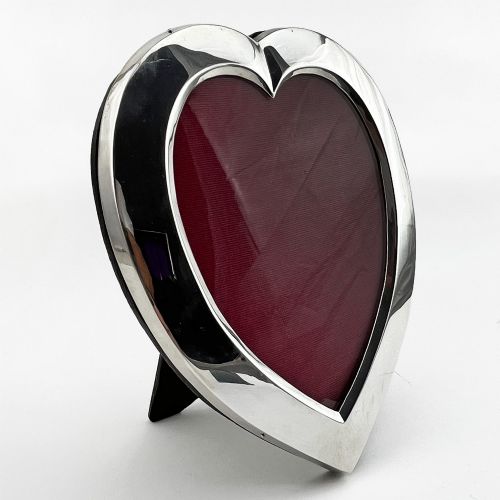
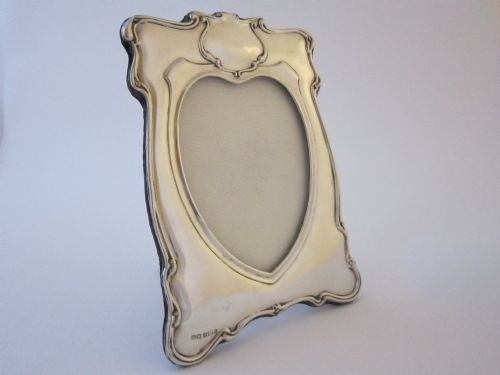
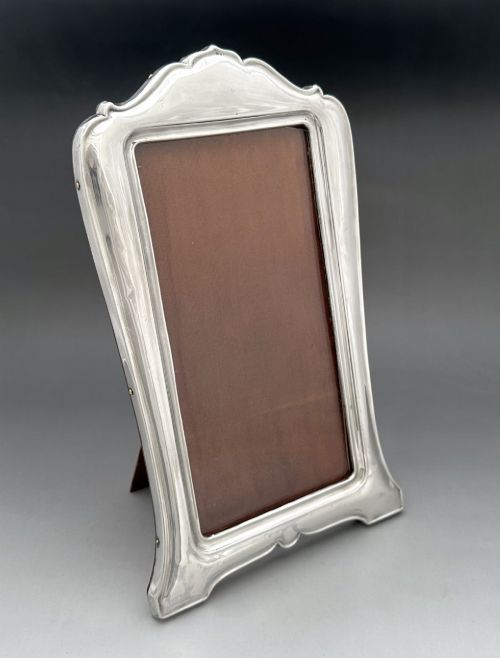
A shaped sterling picture frame is a domestic object designed to display a photograph while adding a decorative silver accent to a room. Buyers searching this phrase will find pieces dating from the late nineteenth century through to the reign of George V, spanning the Victorian, Edwardian, and Art Nouveau periods.
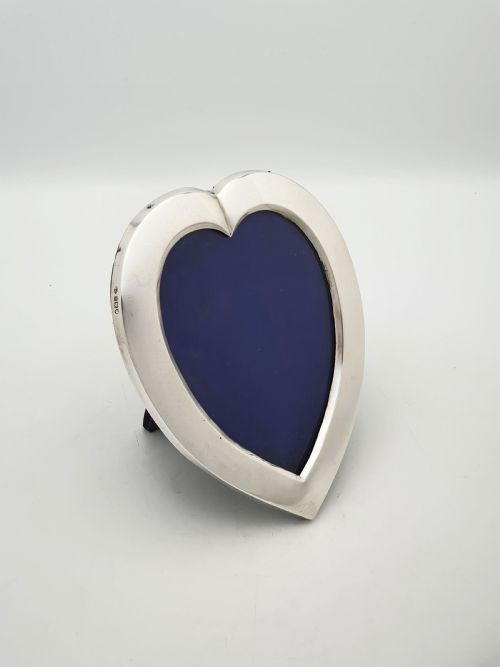
Heart-shaped examples recur frequently among the listings, alongside unusual curved silhouettes and embossed designs. These frames typically combine sterling silver fronts with backing materials such as wood, velvet, and fabric, protected by a glass front panel.
The objects originate from British makers working in towns and cities like Birmingham, utilising traditional silversmithing methods of the era. Most surviving examples retain their structural integrity while showing the gentle patination expected of genuine antique silver.
How they were made
Silversmiths constructed these frames using sterling silver sheet, which they shaped by hand or pressed with dies to create hearts, curves, and embossed floral or organic motifs. The metalwork was then mounted onto a wooden or card core to give the frame rigidity.
A fabric backing, frequently plush velvet, was applied to the reverse to conceal the inner construction and protect the surface where the frame rests. Glass was fitted behind the silver aperture to shield the photograph, held securely by small metal tabs or bezels.
Victorian sweethearts clearly loved a heart-shaped frame, leaving behind a legacy of romantic silver curves that still outlasted the photographs they originally held.
What varies in quality
Quality in a shaped sterling picture frame rests upon the crispness of the silversmith's decoration and the weight of the metal used. Finer pieces maintain deep, sharp embossing across curves and hearts without thinning of the silver plate at stress points.
The integrity of the original backing and support strut also distinguishes better examples from heavily restored ones. Frames that retain their original wooden foundations, fabric linings, and glass panels command greater interest from collectors.
William Comyns·Syner & Beddoes
The Shaped Sterling Picture Frame Glossary
- Sterling silver
- A silver alloy containing 92.5 percent pure silver by mass and 7.5 percent other metals, usually copper. This standard composition provides the durability required for domestic items like picture frames.
- Embossed decoration
- A technique where the silversmith raises a design in relief from the reverse side of the metal. This adds texture and visual depth to the surface of the frame.
- Aperture
- The opening in the frame through which the photograph is viewed. In these pieces, apertures often follow the curved or heart outline of the outer silver border.
- Strut
- The hinged support attached to the back of the frame that allows it to stand upright on a flat surface. Original struts add authenticity to antique pieces.
- Hallmark
- A series of official marks stamped on precious metals indicating the maker, assay office, and year of manufacture. British silver hallmarks help date these frames precisely.
Shaped Sterling Picture Frame: Frequently Asked Questions
How do I date a silver frame?
British silver frames carry hallmarks that identify the assay office, standard, and exact year of manufacture. Examining these tiny stamped symbols remains the most reliable method for dating an antique piece.
Stylistic clues also help narrow down the period. Pieces featuring fluid, organic lines typically date to the Art Nouveau era, while heart shapes span both late Victorian and Edwardian decades.
Can I replace the glass easily?
Most antique frames use simple retaining tabs to hold the glass and photograph in place. Care is needed when bending these aged silver tabs to avoid snapping the metal.
Replacement glass should be cut to match the exact dimensions of the aperture. Using thin, clear glass ensures the historic backing and inner mount fit together correctly without extra pressure.
How should I clean the silver?
Silver requires gentle cleaning with a specialist cloth to remove tarnish without scrubbing away fine embossed details. Harsh dips should be avoided, as they can damage velvet and wood backings.
Keep cleaning agents away from the fabric and paper components on the reverse. A soft brush helps lift dust and polish residue from deep embossed crevices.
Are heart-shaped frames rare?
Heart-shaped frames appear frequently in Victorian and Edwardian silver production, driven by popular romantic sentiments of the period. While common enough to find, well-preserved examples remain sought after.
Maker attribution often elevates a heart frame's desirability. Pieces bearing the marks of prominent workshops command particular attention from collectors.