





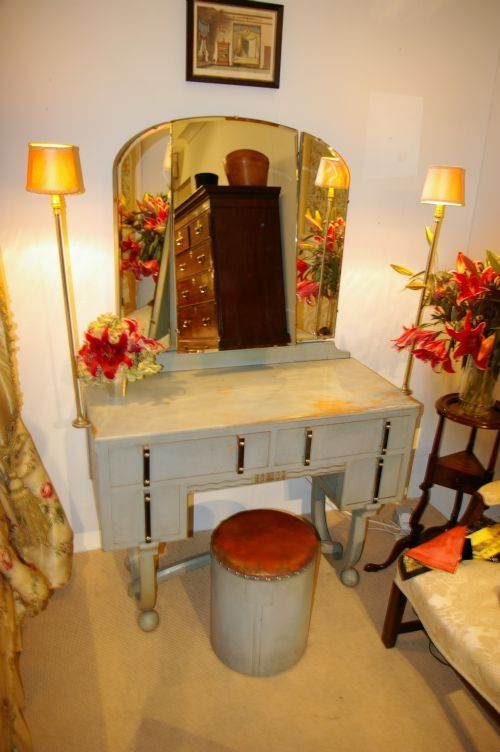
Set of Wooden Stools
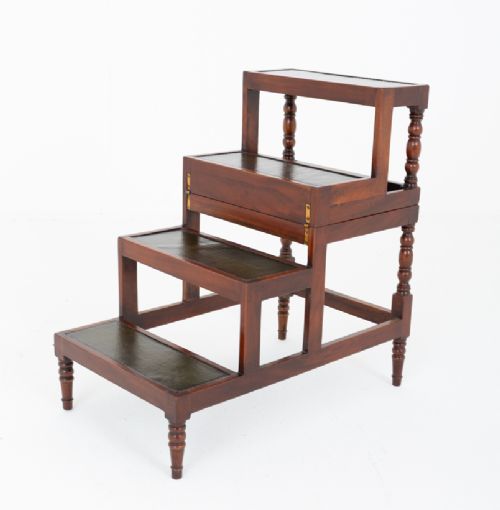
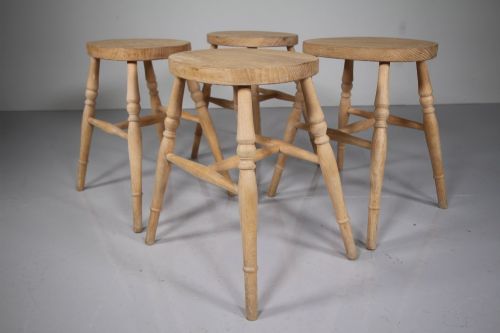
A set of wooden stools brings enduring utility to a room, ranging from robust country seating to architectural library steps.
Set of Wooden Stools
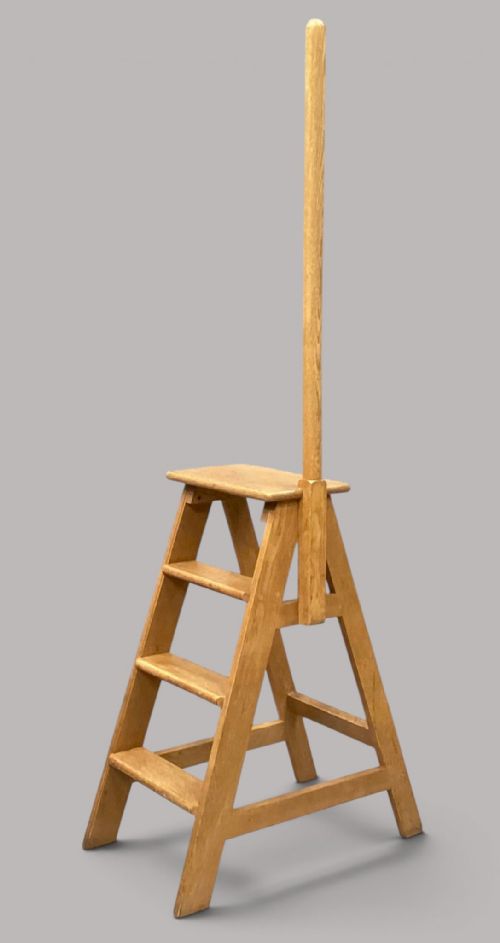
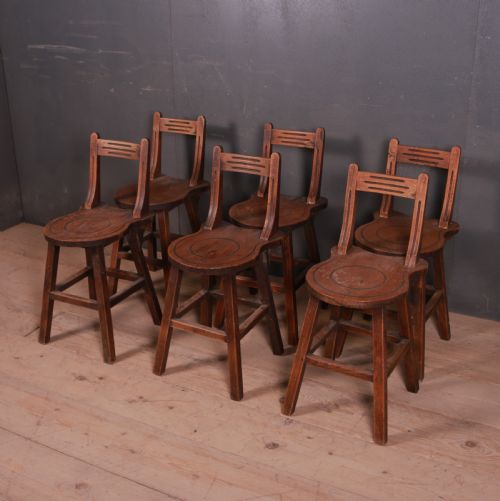
A set of wooden stools encompasses varied forms across multiple periods, including Edwardian dining variants, sturdy country examples, and tiered library steps. Buyers searching for a set of wooden stools encounter configurations ranging from three matched pieces to extensive suites designed for domestic or commercial utility.
The selections span the eighteenth, nineteenth, and early twentieth centuries, drawing on distinct regional traditions such as French country, Cotswold School, and Vienna bentwood. These items serve functional roles as seating or elevation while displaying the structural characteristics of their respective eras.
Library steps frequently appear alongside traditional seating within this category, constructed with multiple treads and supporting rails. Other variations include high stools intended for bars or dressing rooms, reflecting diverse historical applications.
Materials and construction
Construction relies primarily on hardwoods such as oak, mahogany, elm, and fruitwood, selected for structural load and durability. Timber components are frequently joined using traditional carpentry methods suited to heavy daily use.
Secondary materials like brass, leather, fabric, and giltwood appear on specific forms, providing functional hardware or upholstered seating surfaces. These elements complement the primary wooden frames across Victorian, Edwardian, and earlier designs.
Set of Wooden Stools Retail Price Guide 2026
Typical asking prices for set of wooden stools among the pieces listed under this phrase on Sellingantiques today, from the lower quarter to the upper quarter. They describe what is for sale here now, not the wider market.
Listings feature timber varieties including oak, mahogany, elm, and fruitwood across the eighteenth, nineteenth, and early twentieth centuries.
Assessing quality
Quality is determined by the selection of timber and the precision of the joinery, distinguishing utilitarian items from finer cabinetwork. Superior examples display thoughtful grain matching and robust construction that withstands centuries of handling.
The integrity of the original surfaces and any integrated hardware, such as brass fittings on library steps, influence the overall standing of a piece. Finer items retain their structural stability without excessive modern intervention.
The Set of Wooden Stools Glossary
- Library steps
- Portable wooden staircases designed for accessing high bookshelves. These pieces often feature multiple folding or stationary treads.
- Bentwood
- Wood softened by steam and bent into curved shapes. This technique defines lightweight nineteenth-century seating designs.
- Cotswold School
- An early twentieth-century design movement focused on traditional craftsmanship and exposed construction. Pieces from this tradition emphasise honest material use.
- Fruitwood
- Timber derived from fruit-bearing trees such as pear or apple. Cabinetmakers utilised it for its fine grain and warm tone.
Set of Wooden Stools: Frequently Asked Questions
How were library steps used?
Library steps provided access to elevated bookshelves in large private and institutional collections. They were positioned where volumes sat beyond normal reach.
Many examples were designed to fold away or function as console tables when not in active service. Their dual utility suited grand domestic interiors.
Where do bentwood stools originate?
Bentwood manufacturing gained prominence in nineteenth-century Austria through the innovation of steam-bending solid timber. This method allowed workshops to produce light yet durable seating frames.
These pieces found widespread use in cafes and domestic settings across Europe. Their minimal silhouette remains distinct from heavier vernacular furniture.
What defines Cotswold School furniture?
The Cotswold School emerged in the early twentieth century, championing hand-tooling and traditional joinery over industrial manufacturing. Makers within this circle focused on the natural qualities of solid timber.
Objects from this movement display visible construction details like pegged joints and adzed surfaces. They represent a deliberate return to vernacular craft methods.
How do I care for antique wooden seating?
Maintain these items by keeping them away from direct heat sources and extreme humidity fluctuations. Consistent environmental conditions protect timber and glued joints from splitting.
Apply traditional wax sparingly to nourish the polished surface without building up residue. Regular dusting with a soft cloth preserves the existing finish.