


Sepia Dog Print
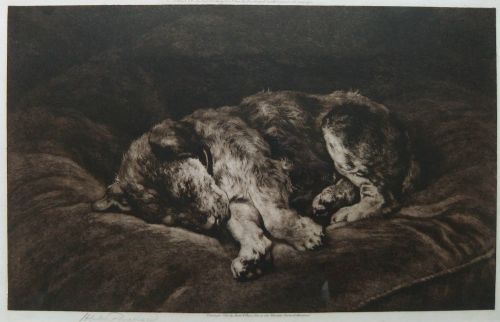
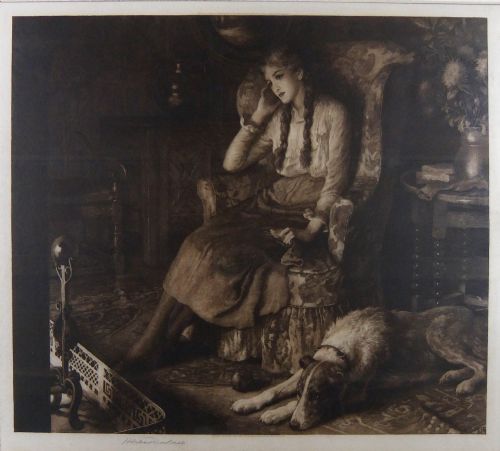
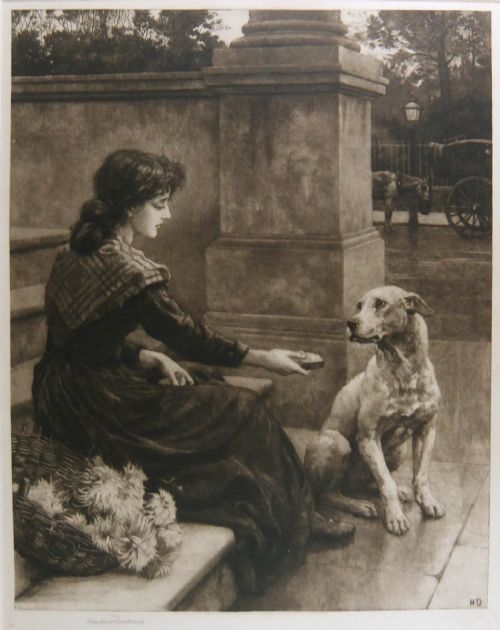
A sepia dog print brings the distinct monochromatic warmth of nineteenth and early twentieth-century domestic portraiture into a room.
Sepia Dog Print
When you search for a sepia dog print, you encounter framed works on paper that capture canine subjects in rich brown tones. These pieces span the Victorian and Edwardian eras, reflecting a period when animal portraiture held a prominent place in the English country house.
The selections on this page are predominantly original etchings and engravings, alongside period prints. Subjects range from named bull bitches and Scottish terriers to finely rendered studies by notable artists working in monochrome ink.
Such pieces offer a tangible connection to historical printmaking techniques, framed traditionally in oak and glass to preserve the paper. They suit spaces that favour traditional British interiors and historical animal studies.
How they were made
The physical objects rely upon ink applied to paper through traditional printmaking methods such as etching and engraving. Artists worked metal plates to capture fine lines, producing textured impressions that held monochrome tones across decades.
Framing materials typically comprise oak and glass, protecting the paper surface from environmental damage while maintaining the period aesthetic. These traditional housings are integral to the presentation of nineteenth and early twentieth-century wall art.
Even century-old terriers maintain an air of stern watchfulness from behind their glass.
What varies in quality
Quality rests upon the clarity of the printed line and the depth of the sepia ink tones across the paper surface. Strong impressions reveal intricate details in the fur and expression, whereas weaker examples lose definition in the shadows.
The condition of the paper and the integrity of the original oak frame and glass also influence the overall character. Pieces that retain their historical mounting alongside a crisp plate mark stand apart from later, less defined reproductions.
The Sepia Dog Print Glossary
- Engraving
- A method of cutting directly into a metal plate with a sharp tool to create an image. It yields precise, clean lines well suited to detailed historical portraits.
- Plate mark
- The indentation left on the paper by the edge of the printing plate under pressure. Its presence confirms the use of a traditional intaglio printing process.
- Monochrome
- Working in a single colour, in this case sepia brown ink. It creates a unified tonal range that emphasises form and texture over bright hues.
Sepia Dog Print: Frequently Asked Questions
What is a sepia dog print?
A sepia dog print is a historical work on paper executed in brown monochrome ink, depicting canine subjects from the Victorian and Edwardian periods.
These pieces capture dogs ranging from named bull bitches to terriers, created through traditional printmaking techniques like etching and engraving.
How should I frame these prints?
These works are traditionally housed behind glass in oak frames that complement their nineteenth and early twentieth-century origins.
Keeping the original framing intact helps preserve the paper and maintains the historical aesthetic of the piece.
How do I identify a period print?
Period pieces display the characteristics of nineteenth and early twentieth-century paper, ink, and plate marks.
Examining the materials under the glass often reveals the subtle textures of an original etching or engraving rather than a modern reproduction.
Where do these prints originate?
The pieces originate from the Victorian and Edwardian eras, frequently reflecting the taste of the English country house.
They represent a time when detailed animal art was a prominent feature of domestic interior decoration.