


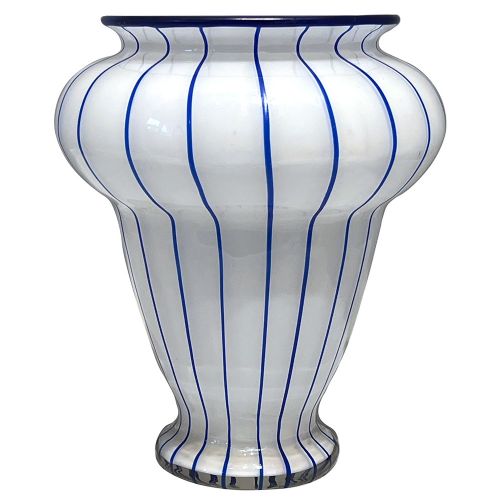

Secessionist Art Glass
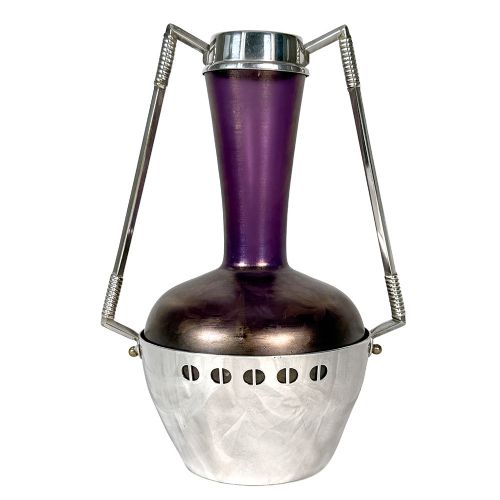
Secessionist art glass brings together fluid organic forms and strict geometric mounts, offering a striking centrepiece for any table.
Secessionist Art Glass
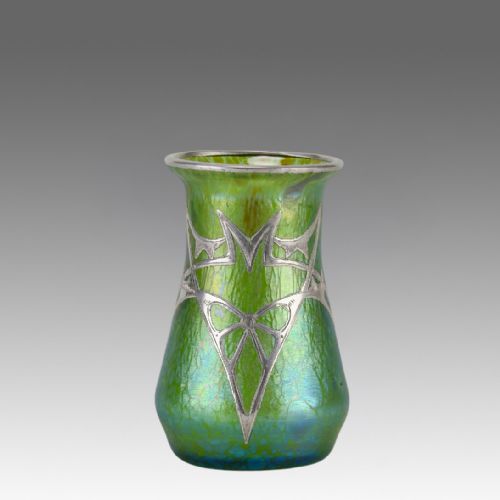
Secessionist art glass encompasses vibrant iridescent vessels, opal glass vases, and drinking vessels shaped by early twentieth-century Continental design movements.
Buyers seeking secessionist art glass will encounter pieces associated with the Vienna Secession, Jugendstil, and Arts and Crafts aesthetics.
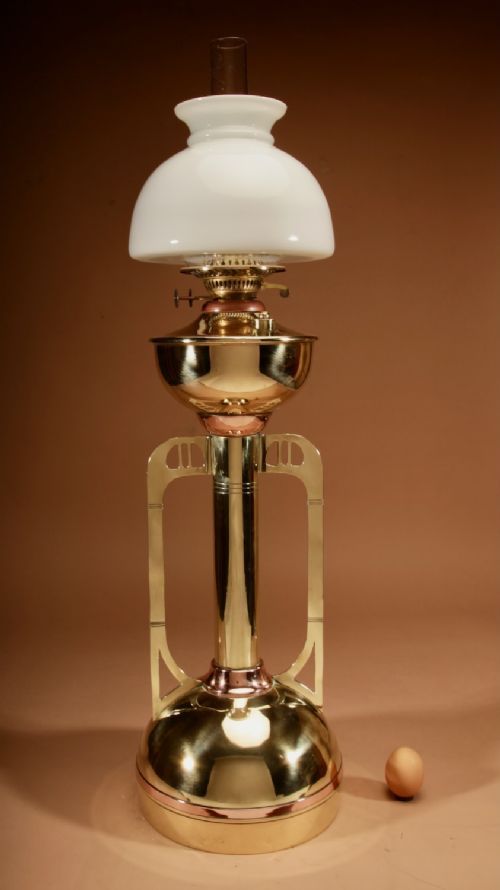
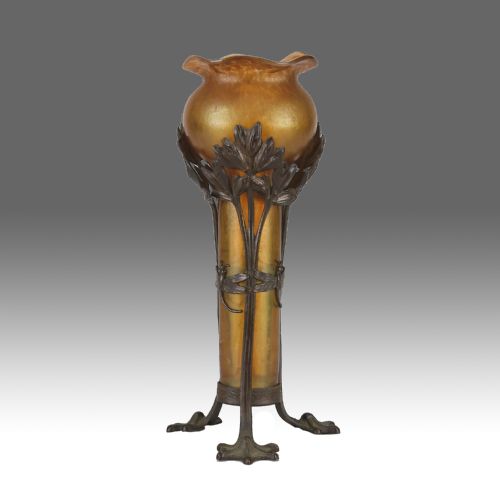
Vases and jugs dominate the selection, often elevated by metal mounts in silver plate, brass, bronze, and copper.
Materials and Construction
Glassmakers utilised specialised blowing techniques to achieve crackle textures, opal finishes, and swirling iridescent surfaces.
Metalworkers framed and mounted the delicate glass bodies in patinated bronze, silver plate, and pewter to create striking structural contrasts.
Listings feature glass materials alongside patinated metal, brass, and silver plate from the Victorian and early twentieth-century periods.
Assessing Quality and Execution
The sophistication of the metal mount relative to the glass vessel determines the distinction between standard production and masterwork execution.
Execution of specific decors, such as applied blue stripes on opal glass or complex silver overlay, dictates the refinement of the piece.
Johann Loetz·Gustave Serrurier Bovy·Otto Prutscher·Koloman Moser·W M F·Adelbert Niemeyer
The Secessionist Art Glass Glossary
- Iridescent Glass
- Glass treated with metallic salts while hot to produce a shimmering, rainbow-like sheen on the surface. This technique was widely utilised by Austrian makers.
- Silver Overlay
- A decorative technique where sterling silver is bonded directly onto the glass surface in intricate patterns. It creates a tactile contrast with the smooth glass underneath.
- Ausfuehrung
- A German term meaning execution or version, frequently used to categorise specific colourways and decorative decors produced by glass houses like Loetz.
- Taza
- A shallow cup or chalice raised on a stem and foot, often used for display or serving. These metal and glass items reflect modernist decorative arts.
- Jugendstil
- The continental German-language variant of Art Nouveau, characterised by flowing natural lines and flat ornamentation. It heavily influenced secessionist design.
Secessionist Art Glass: Frequently Asked Questions
What defines secessionist art glass?
Secessionist art glass combines the organic, flowing forms of the Art Nouveau movement with the clean, geometric lines favoured by the Vienna Secession. These pieces often feature iridescent finishes or opal glass paired with metal mounts.
Makers utilised techniques like applied glass trails and metallic overlays to create striking contrasts between the glass body and the structural framework.
How do I care for mounted glass?
Mounted glass requires gentle handling to protect the delicate junction between the glass vessel and its metal frame. Avoid submerging mounted pieces in water, as moisture can become trapped beneath silver plate or bronze mounts.
Clean the glass body with a soft, dry cloth and avoid harsh chemical cleaners that might strip the original iridescence or patina from the metal.
How are periods identified?
Period identification relies on stylistic markers, framing techniques, and specific glass decors associated with turn-of-the-century workshops. Pieces from this era often bridge Victorian ornamentation and early twentieth-century modernism.
Documentation of specific designers and glasshouses provides reliable benchmarks for dating individual vases, jugs, and table accessories.
Where were these pieces made?
The majority of secessionist art glass originates from Continental workshops, particularly in Austria, Germany, and the Netherlands. Major glass houses and metalwork studios operated in centres like Vienna during the height of the Secessionist movement.
Collaborations between prominent designers and established manufacturers resulted in distinct regional aesthetics that define the genre today.