





Seated Nude Figure
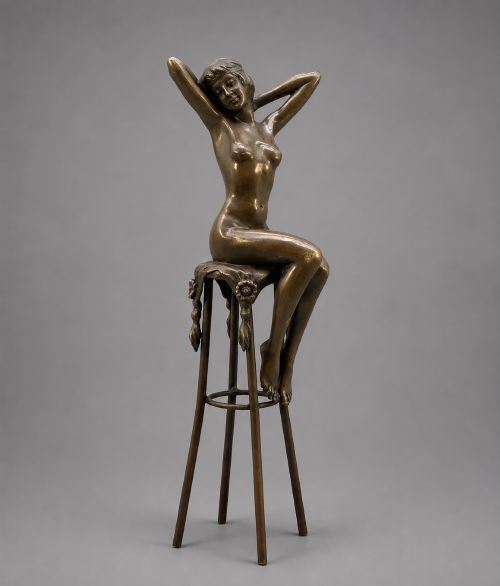
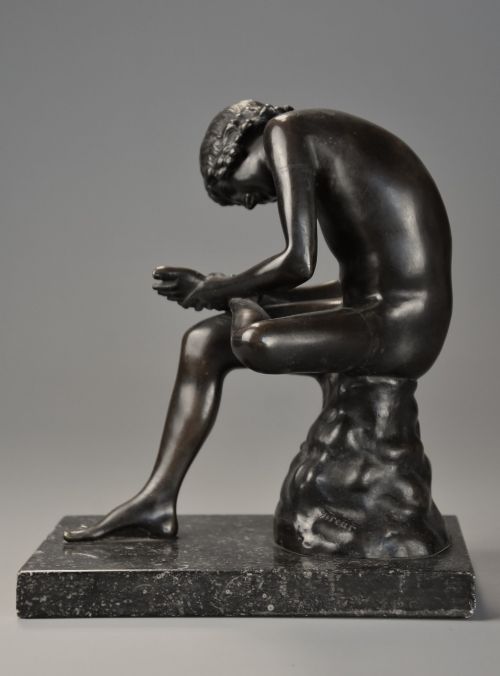
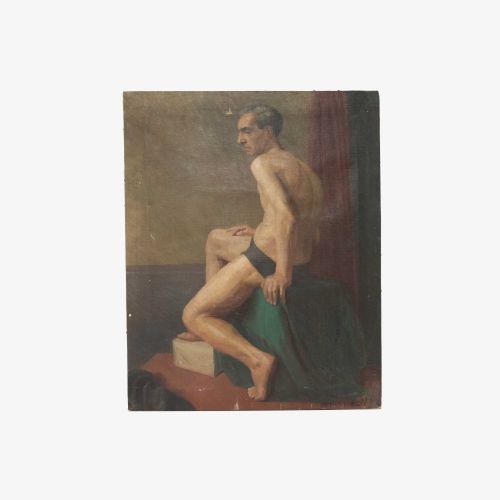
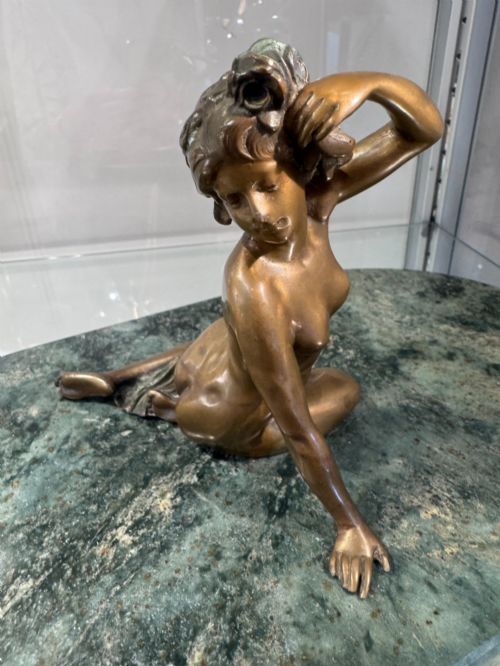
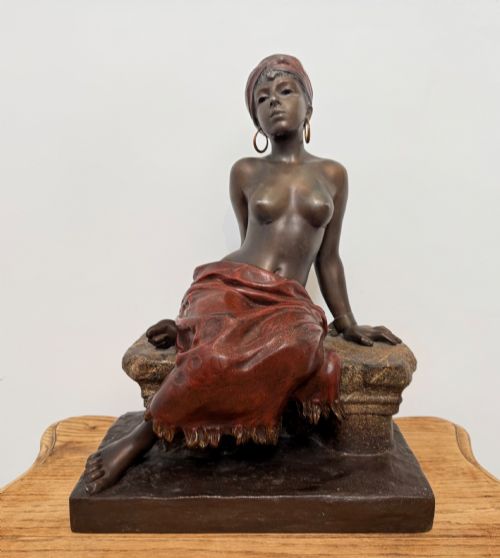
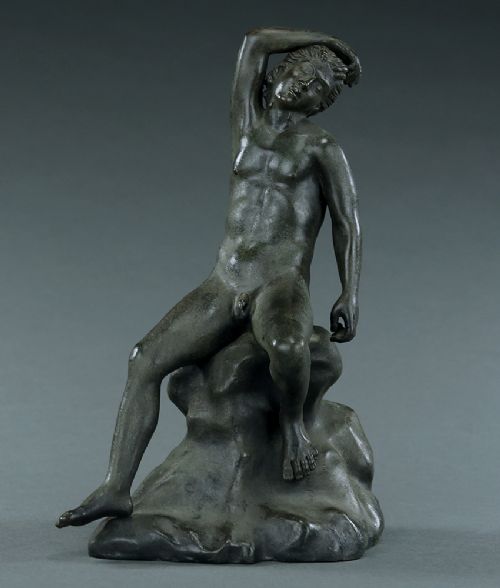
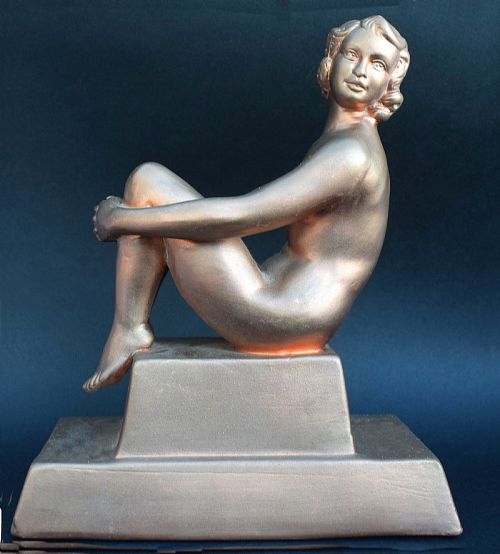
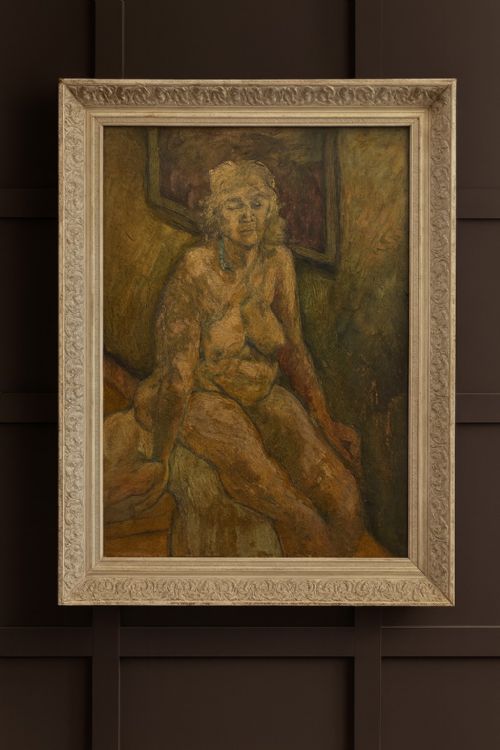
A seated nude figure captures the human form in repose, offering collectors a striking study in balance and physical expression through sculpture and painting.
Seated Nude Figure
A seated nude figure represents a foundational artistic subject executed across diverse mediums from the nineteenth century through the mid-twentieth century. Buyers encounter everything from classical bronze castings to modernist oil paintings and delicate paper drawings.
The selections span distinct historical movements including Art Nouveau, Art Deco, and Mid-Century Expressionism. Pieces range from grand academic studies to intimate domestic sketches.
Sculptural interpretations frequently utilise marble bases or verdigris patinas, while two-dimensional works capture the subject through oil on canvas and pastel on paper. Each medium offers a different perspective on the seated form.
Materials and technique
Bronze casting forms the backbone of the sculptural works, often finished with verdigris or paired with marble plinths. Wood carving and terracotta modelling provide alternative textural depths for the three-dimensional pieces.
Paintings utilise oil on canvas or board, capturing light and shadow across the human body with layered brushwork. Pastel and drawing mediums on paper offer a more immediate, linear approach to the study of the figure.
Seated Nude Figure Retail Price Guide 2026
Typical asking prices for seated nude figure among the pieces listed under this phrase on Sellingantiques today, from the lower quarter to the upper quarter. They describe what is for sale here now, not the wider market.
Listings feature works spanning the nineteenth century through the 1960s, executed in bronze, oil paint, marble, terracotta, and wood.
Judging quality and execution
Quality rests in the handling of anatomical proportions and the fluidity of the composition within its chosen medium. Stronger works demonstrate a sure grasp of posture and weight distribution, whether rendered in paint or cast in metal.
The fidelity of the casting in bronze or the precision of the chisel work in wood distinguishes superior craftsmanship. In paintings, the modulation of tone and the confidence of the brushwork separate casual sketches from accomplished studies.
E Villanis·Augustus John·Allan Douglas Davidson·Hector Lemaire·Hans Müller·Peter Jackson·Pinchus Krémègne·Raymond Arthur Roadnight
The Seated Nude Figure Glossary
- Verdigris
- A green patina that forms naturally or through chemical treatment on copper, brass, or bronze surfaces. This weathered finish frequently appears on antique outdoor or Grand Tour bronzes.
- Terracotta
- Fired clay used for sculptural modelling before glazing or painting. It allows artists to capture immediate tactile impressions.
- Biscuit
- Unglazed porcelain with a matte, marble-like texture. This finish highlights fine sculptural detail without the distraction of a glossy sheen.
- Academic realismus
- A style of painting and sculpture produced under the influence of European academies of art. It emphasises conventional techniques and rigorous anatomical study.
- Impressionism
- An art movement characterised by relatively small, thin, yet visible brush strokes and an emphasis on accurate depiction of light. Works in this style prioritize overall visual effect over fine detail.
Seated Nude Figure: Frequently Asked Questions
How do I display a seated nude figure?
Sculptural pieces require stable placement on a dedicated pedestal, mantelpiece, or heavy table where the surrounding space allows for viewing from multiple angles.
Framed paintings and works on paper need controlled lighting to prevent fading while anchoring the focal point of a room's wall arrangement.
How should I clean antique bronze sculptures?
Dust bronze surfaces gently with a soft, dry cloth to remove particle accumulation without disturbing the underlying patina.
Avoid chemical polishes and liquid cleaners entirely, as these substances strip away the historic finish that collectors value.
What defines Art Deco nude studies?
Art Deco pieces display stylised geometries and streamlined forms that depart from classical naturalism.
These works embrace modern materials and confident postures that reflect the aesthetic shifts of the interwar period.
How do I care for oil paintings on canvas?
Keep canvas works away from direct sunlight and fluctuating humidity levels to prevent cracking in the paint layer.
Dust the surface very lightly with a soft brush, leaving deep conservation work to professional restorers.