

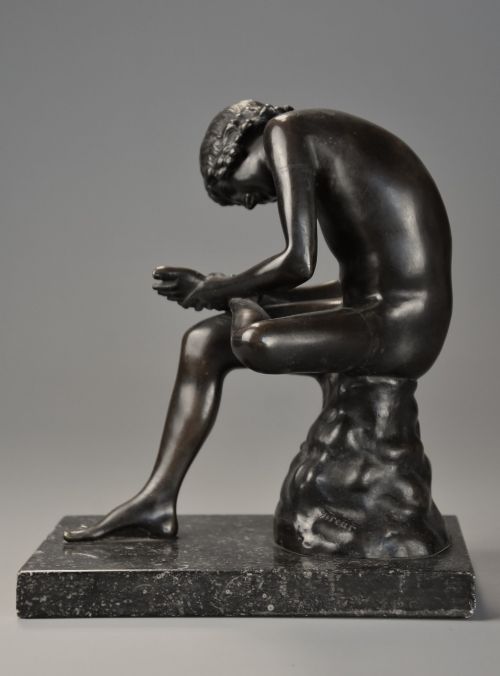
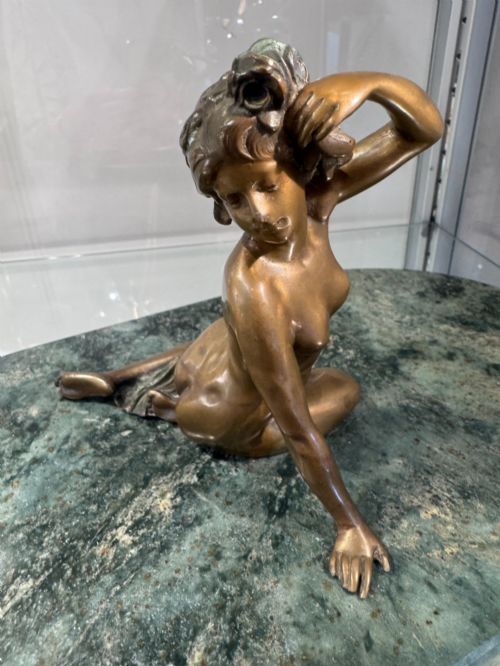
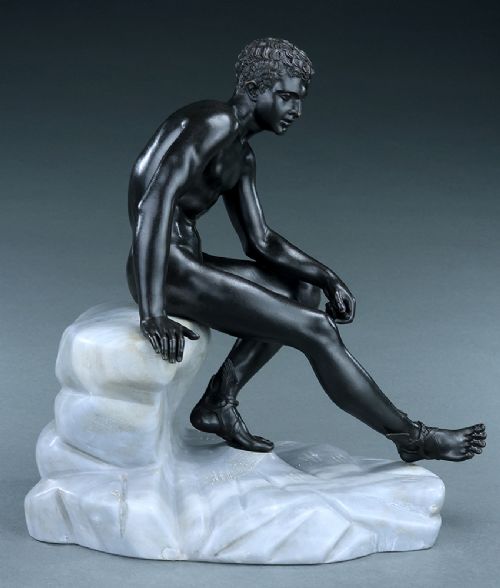

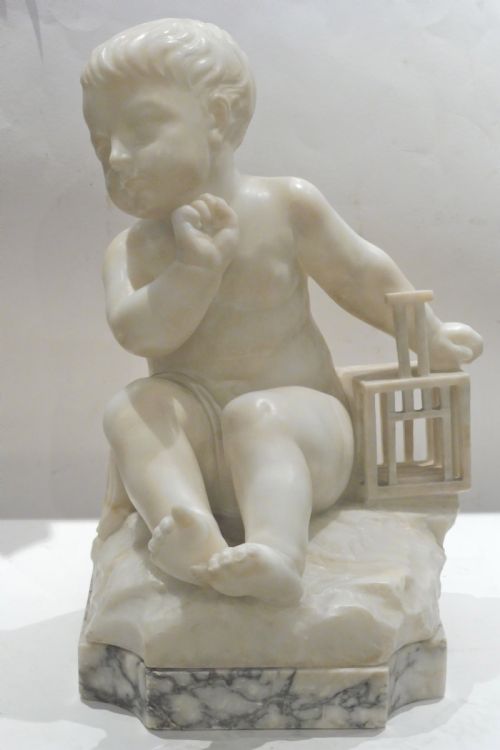


Seated Marble Statue
A seated marble statue brings heavy stone and classical form into a room, offering the permanence of carved figures.
Seated Marble Statue
A seated marble statue brings carved stone into domestic spaces, capturing figures in repose from various eras. These pieces range from classical subjects to nineteenth century interpretations, often depicting mythical figures or young subjects.
The versions most likely to appear on this page reflect nineteenth century neoclassical taste and Grand Tour traditions. Sculptors employed solid stone to render seated forms, frequently pairing white or grey marble with cast bronze elements.
Makers shaped these seated figures in materials spanning traditional marble through to alabaster and stone. The resulting sculptures capture subjects seated upon rocks or architectural plinths, maintaining a quiet presence in any interior.
Materials and construction
Artisans carved these sculptures directly from solid blocks of marble and alabaster, utilising chisels and rasps to shape the stone. The work required precise reduction from rough blocks to smooth, finished surfaces that mimic human musculature and draped cloth.
Many works combine carved stone bases or seating elements with cast bronze figures, uniting two distinct mediums. Workshops utilised traditional foundry methods for the metal components before mounting them securely onto marble or stone plinths.
Seated Marble Statue Retail Price Guide 2026
Typical asking prices for seated marble statue among the pieces listed under this phrase on Sellingantiques today, from the lower quarter to the upper quarter. They describe what is for sale here now, not the wider market.
Listings feature works in marble, alabaster, stone, and bronze, spanning from the seventeenth century through to the 1920s.
Assessing quality
Quality rests upon the precision of the carving, where master sculptors rendered hands, feet, and facial expressions with anatomical accuracy. Lesser examples often display softer contours and less detailed drapery folds.
The choice of stone dictates the visual depth of the piece, with finer translucent alabaster and pure marble commanding greater appreciation than coarse stone. The integration between seated figures and their carved or cast rock bases also marks the distinction between standard workshop output and superior work.
P. Emilio Fiaschi·Pugi
The Seated Marble Statue Glossary
- Grand Tour Neoclassical
- A style reflecting eighteenth and nineteenth century travels through Italy, where wealthy collectors acquired classical reproductions. These pieces echo ancient Greek and Roman prototypes.
- Alabaster
- A fine-grained, translucent stone used by sculptors for delicate carving work. It allows light to penetrate slightly beneath the surface.
- Neoclassical
- An artistic movement drawing inspiration from the classical art and culture of ancient Greece and Rome. It emphasises severe lines and heroic subject matter.
- Bisque Porcelain
- Unglazed ceramic material fired to a matte, tactile finish that resembles smooth marble. It captures fine sculptural details without surface gloss.
Seated Marble Statue: Frequently Asked Questions
What periods do these statues come from?
The pieces span from the seventeenth century through to the early twentieth century, with a strong representation of nineteenth century production.
Craftsmen created these works across various European schools, notably incorporating Italian carving traditions and Grand Tour souvenir culture.
How heavy are these stone sculptures?
Solid stone and marble statues carry substantial weight due to the density of the material. Larger works require sturdy furniture or dedicated pedestals for safe display.
Mixed media pieces that combine bronze figures with heavy marble bases also demand secure placement.
Where should I place a heavy marble sculpture?
These pieces suit mantelpieces, heavy sideboards, or dedicated stone pedestals where the weight is adequately supported. Placing them away from high traffic areas prevents accidental knocks.
Stable surfaces ensure the safety of both the furniture and the dense stone object.
How do I care for carved marble and alabaster?
Dust the stone regularly with a soft, dry cloth to prevent particulate buildup on porous surfaces. Avoid using wet cleaners or chemical agents that might damage the polished finish.
Alabaster is particularly sensitive to moisture, so keep these pieces in dry indoor environments.