


Seated Lady Painting
A seated lady painting captures the quiet poise of a figure at rest, offering a glimpse into past lives through skilled portraiture.
Seated Lady Painting
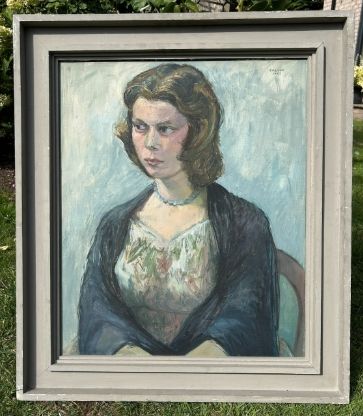
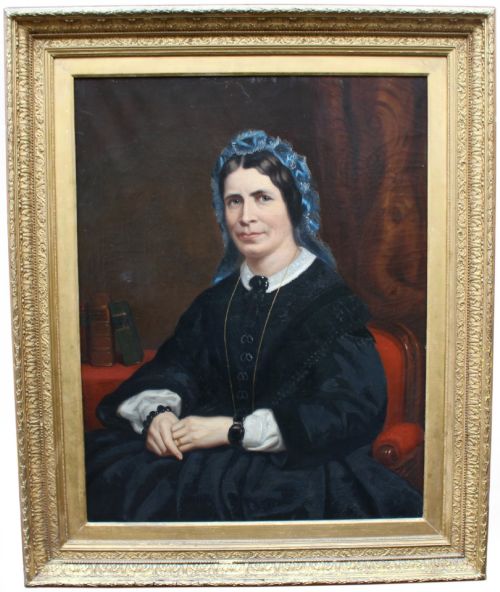
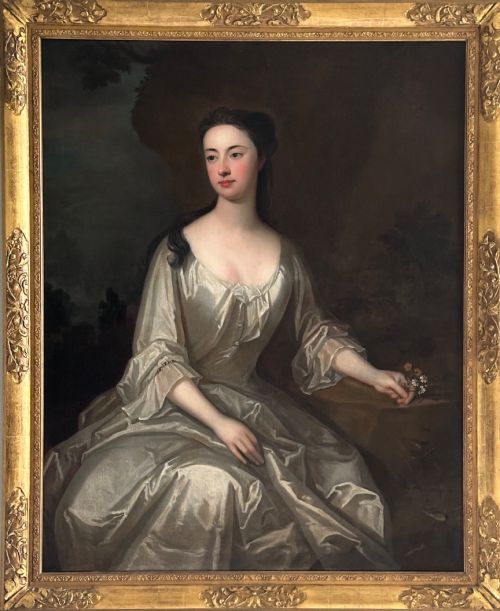
A seated lady painting represents a focused tradition of portraiture, capturing female subjects at rest, in thought, or within domestic and pastoral settings. These works range from intimate early portraits to broader compositions from later centuries, reflecting shifting social roles and artistic conventions.
The versions most frequently met on this page belong to the eighteenth and nineteenth centuries, rendered primarily as oil paintings on canvas or wooden panel. Portrait miniatures and works on paper also appear, offering smaller-scale studies of gesture and expression.
Subjects appear in diverse contexts, from grand landscapes and garden terraces to quiet drawing-room interiors. Whether executed by known practitioners or anonymous hands, each piece preserves a specific historical moment through the depiction of dress, setting, and posture.
How they were made
Artists built these works using oil paint applied to prepared canvas, wooden panels, or paper supports. Pigments were layered to achieve depth in drapery and flesh tones, often framed by carved wooden structures finished with gesso and gold leaf.
The listings show oil on canvas as the dominant medium, complemented by wooden panels, paper supports, and traditional gilt wood frames.
What varies in quality
The integration of the sitter within their environment distinguishes the finer examples, where landscape or interior details support the focal portrait rather than serving as mere backdrop. Material preservation of the canvas, panel, and original gesso frame also influences the standing of an individual piece.
Kenneth Cozens·Adriana Verelst·Honore Cavaroc·John Raphael Smith·William Owen·Caspar Netscher·Carl Ljungberg
The Seated Lady Painting Glossary
- Oil on Canvas
- A traditional painting medium where pigments are suspended in drying oils and applied to a woven fabric support. This combination allowed artists to achieve rich colour saturation and subtle blending.
- Gesso
- A plaster-like mixture applied to wood panels or frames as a smooth base for painting or gilding. It provides a stable surface that accepts both paint and gold leaf.
- Portrait Miniature
- A small, highly detailed painting, often executed on paper, vellum, or card, designed for intimate viewing or personal transport. These works require precise brushwork due to their diminutive scale.
- Gilt Wood
- Timber surfaces coated with a thin layer of gold leaf or metallic powder, frequently used on decorative picture frames. This finish enhances the visual weight and period character of the artwork.
Seated Lady Painting: Frequently Asked Questions
What defines a seated lady painting?
These artworks focus entirely on female subjects portrayed in seated poses, capturing individual likenesses alongside period costume and interior or landscape backdrops.
They span multiple centuries of European fine art, documenting changes in portraiture styles from early formal compositions to later Impressionist and mid-century interpretations.
How were these portraits displayed originally?
Portraits of this scale typically hung in drawing rooms, private libraries, or country house reception rooms to display family lineage, social standing, or personal connections.
Their heavy gilt wood frames were designed to complement period interior architecture and reflect candlelight effectively in domestic spaces.
How do I care for an oil painting?
Paintings on canvas or panel require stable environmental conditions, avoiding direct sunlight and excessive humidity fluctuations that can cause paint cracking or wood warping.
Dust should be removed gently with a soft, dry brush, avoiding any liquid cleaners or abrasive cloths on the painted surface or gesso frame.
How can I tell different periods apart?
Clothing styles, hairstyles, and framing techniques offer immediate clues to a work's era, shifting from formal Georgian attire to Victorian crinolines and twentieth-century modern dress.
Canvas preparation, stretcher construction, and panel types also help date a piece alongside any visible signatures or historical inscriptions on the reverse.