


Seamaster Watch
A seamaster watch delivers robust mid-century engineering paired with classic dress styling, making it a reliable daily timepiece for the discerning collector.
Seamaster Watch
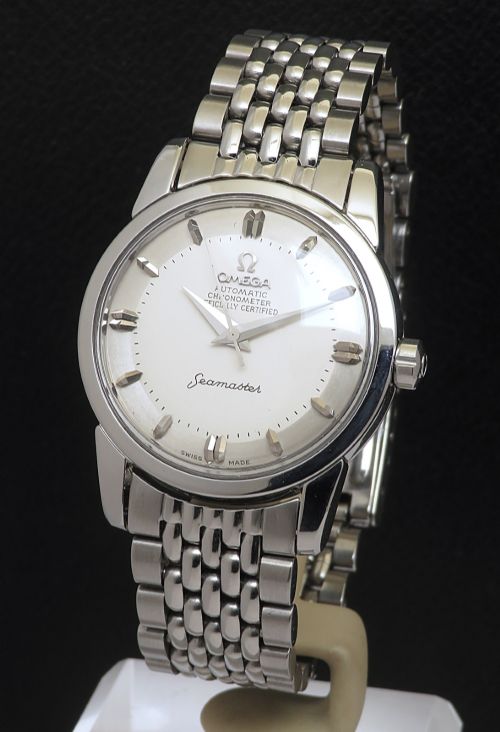
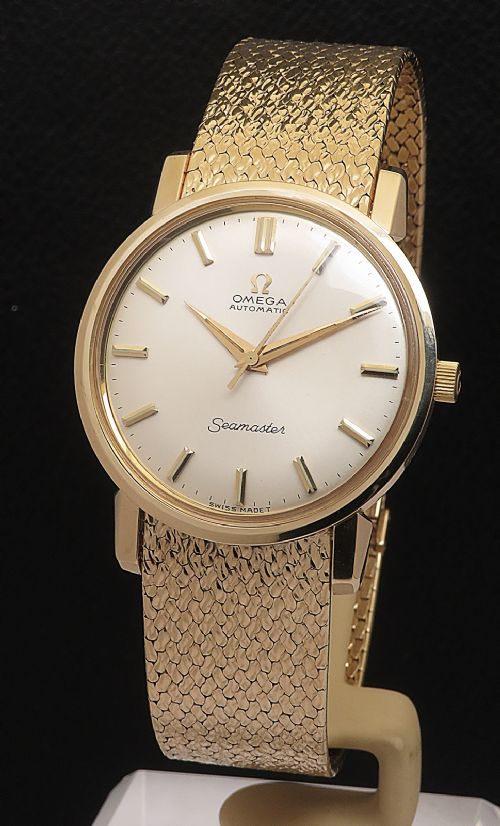
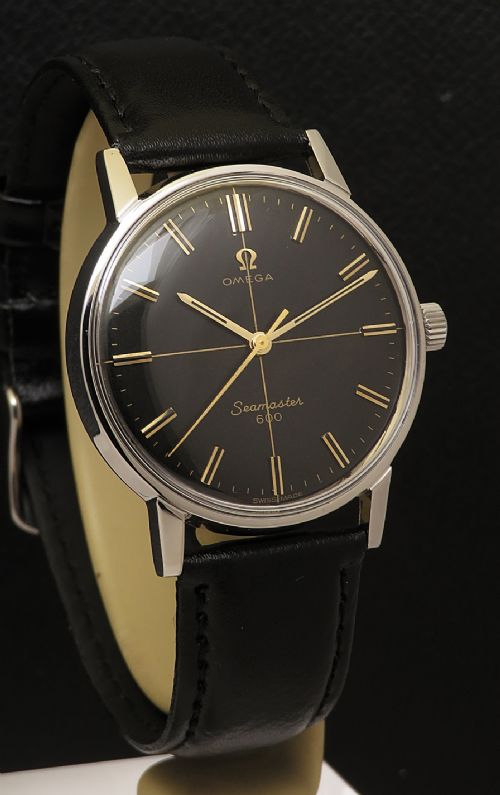
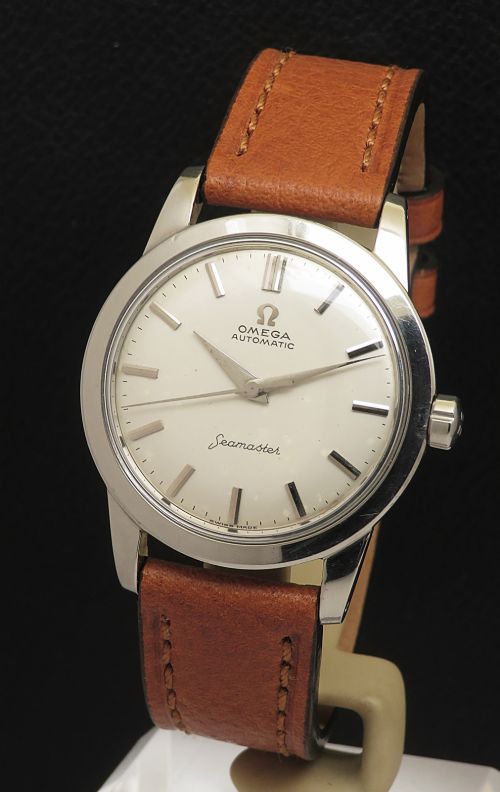
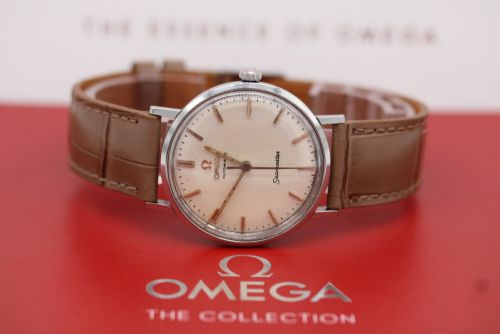
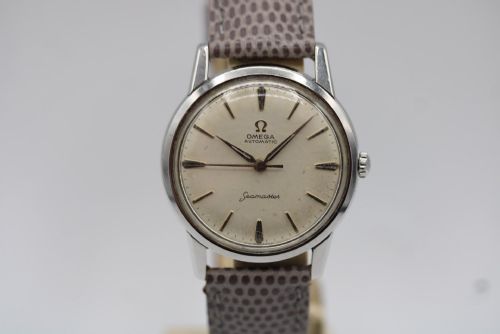
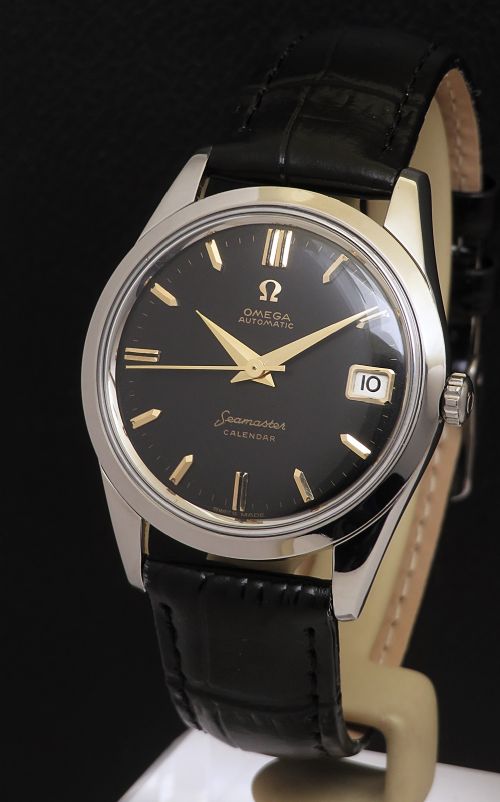
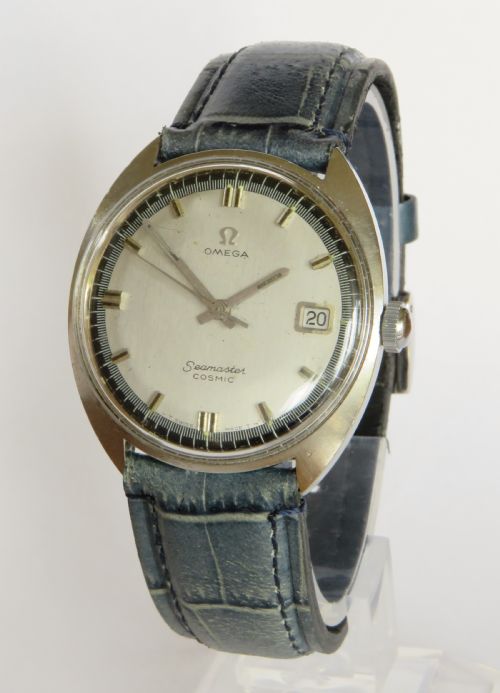
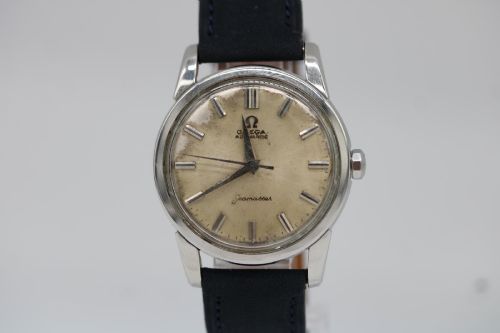
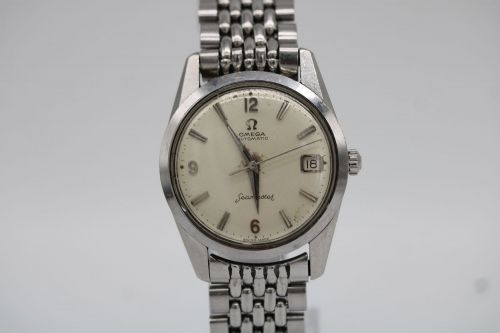
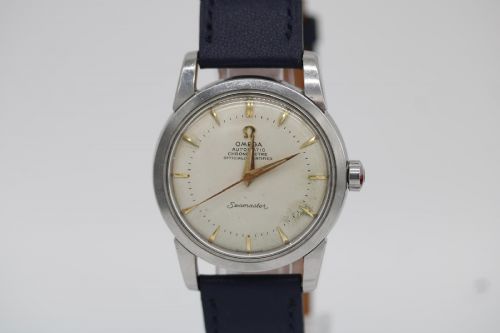
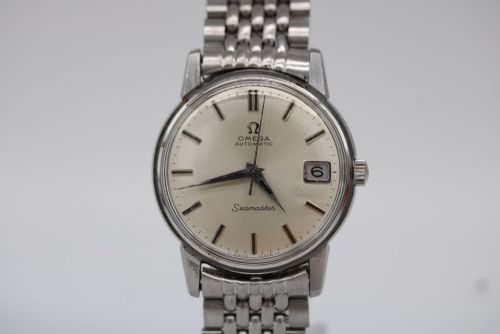
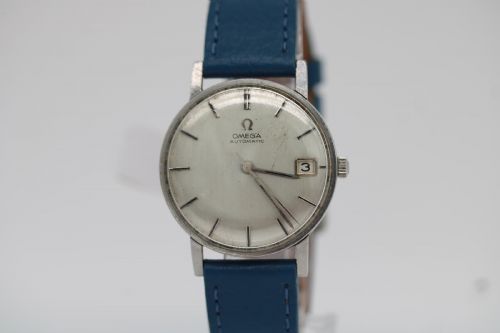
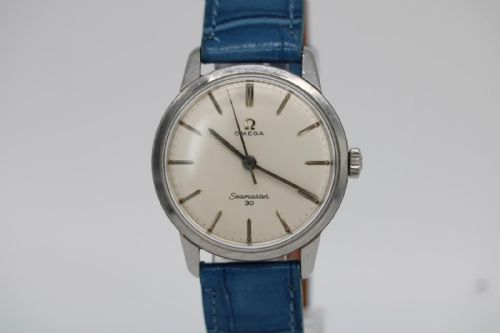
A seamaster watch represents a significant lineage of water-resistant timepieces introduced during the mid-twentieth century. When searching for a seamaster watch, buyers encounter wristwatches originating primarily from the nineteen-fifties, nineteen-sixties, and the years immediately following. These pieces span standard automatic movements, calendar complications, and chronostop variants.
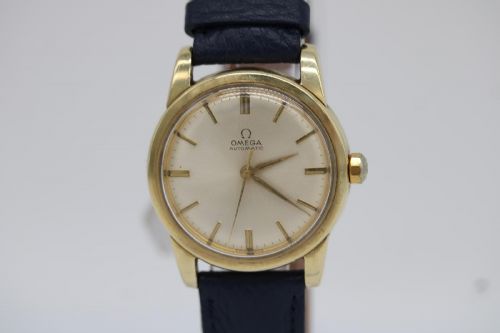
The most common examples on this page are mid-century automatic wristwatches housed in stainless steel or gold plate. Forms range from utilitarian steel models to solid nine-carat gold dress editions with matching acrylic crystals and leather straps. Mid-century modern design sensibilities govern the clean dials and case proportions of these pieces.
How they were made
Cases of a seamaster watch were forged from stainless steel or cast in yellow gold and gold plate, protecting the internal mechanical movements. Acrylic and acrylic glass formed the durable, curved crystals fitted above the dials. Leather straps complemented the metallic cases, secured by traditional pin buckles.
Movements relied on intricate brass and steel mechanical parts, incorporating automatic winding rotors, bumper mechanisms, or manual wind configurations. Dials featured applied markers and printed scales beneath the crystal, often showcasing distinctive honeycombs, patinated surfaces, or date windows.
Seamaster Watch Retail Price Guide 2026
Typical asking prices for seamaster watch among the pieces listed under this phrase on Sellingantiques today, from the lower quarter to the upper quarter. They describe what is for sale here now, not the wider market.
What varies in quality
The preservation of the dial and case geometry separates standard examples from exceptional pieces. Original untouched finishes and crisp case edges indicate minimal intervention over the decades, whereas heavy polishing rounds the sharp lines intended by the maker.
Internal mechanical integrity and the presence of original components dictate the standing of a seamaster watch. Editions retaining factory-correct calibres, original boxes, and documented service histories sit at the peak of the range compared to examples with mixed replacement parts.
Omega
The Seamaster Watch Glossary
- Automatic
- A self-winding mechanical movement that uses a weighted rotor to wind the mainspring through the natural motion of the wrist.
- Calibre
- The specific internal mechanical movement designation given by the manufacturer to identify the design and size of the mechanism.
- Acrylic crystal
- A lightweight, shatter-resistant plastic material used historically to cover and protect the watch dial.
- Chronometer
- A precision timepiece certified to meet strict accuracy standards over various temperatures and positions.
- Bumper movement
- An early type of automatic winding mechanism where the rotor swings back and forth against spring bumpers rather than rotating fully.
Seamaster Watch: Frequently Asked Questions
Are these watches suitable for daily wear?
A seamaster watch was originally designed as a robust, water-resistant timepiece intended for everyday use. Modern daily wear is entirely feasible provided the mechanical movement receives regular servicing and proper care.
Water resistance seals degrade over decades, so vintage examples require caution around moisture despite their robust origins. Pairing the watch with a supple leather strap ensures comfortable wrist wear throughout the day.
How do automatic and manual movements differ?
Automatic variants wind themselves using the natural motion of the wearer's arm via an internal rotor. Manual wind versions require the crown to be turned by hand each day to tension the mainspring.
Both systems drive the hands reliably, though automatic models offer the convenience of continuous winding during active wear. Manual wind calibres often allow for a slimmer case profile.
What does a patinated dial mean?
Patinated refers to the natural ageing process of the dial surface over many decades of exposure to light and air. This gentle colour shift or spotting is viewed by collectors as an authentic sign of history.
Unlike damage caused by moisture ingress, attractive patination adds individual character to the watch face. Each aged dial tells a unique story of the timepiece's longevity.
How do I identify the production year?
Production years can be estimated by cross-referencing the movement calibre number and the unique serial number engraved inside the case back. Reference numbers also point towards specific manufacturing eras.
Archival records or manufacturer documentation provide precise dating for individual watches. Original paperwork accompanying the piece offers definitive confirmation.