

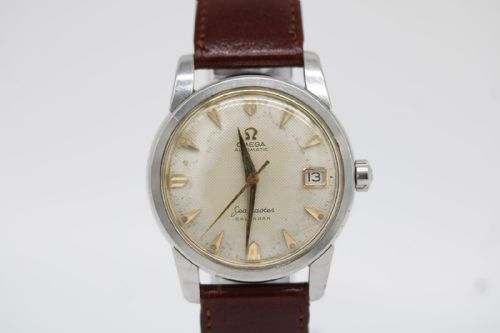
Seamaster Automatic Watch
A seamaster automatic watch is a dependable mid-century wristwatch offering robust engineering and classic styling that collectors prize.
Seamaster Automatic Watch
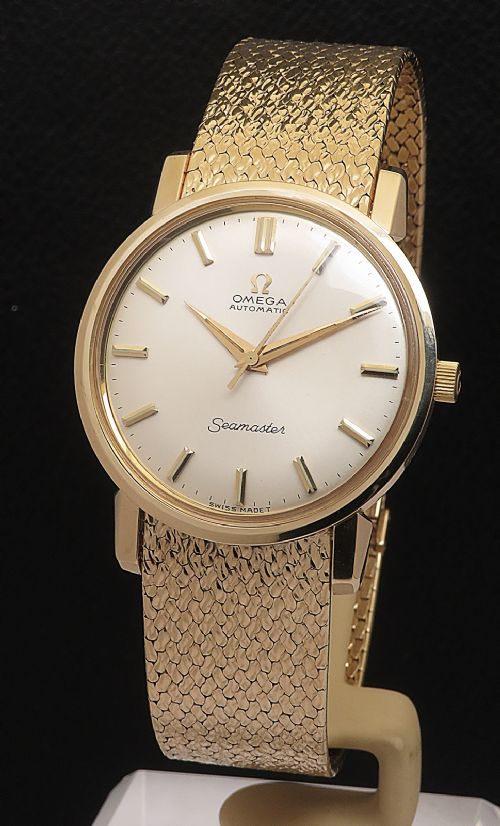
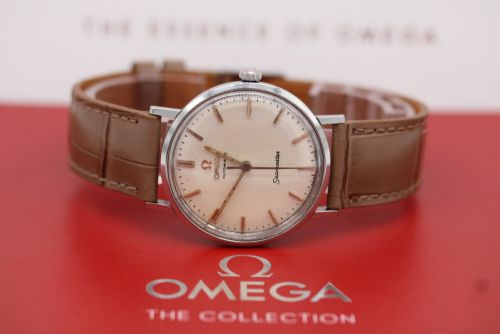
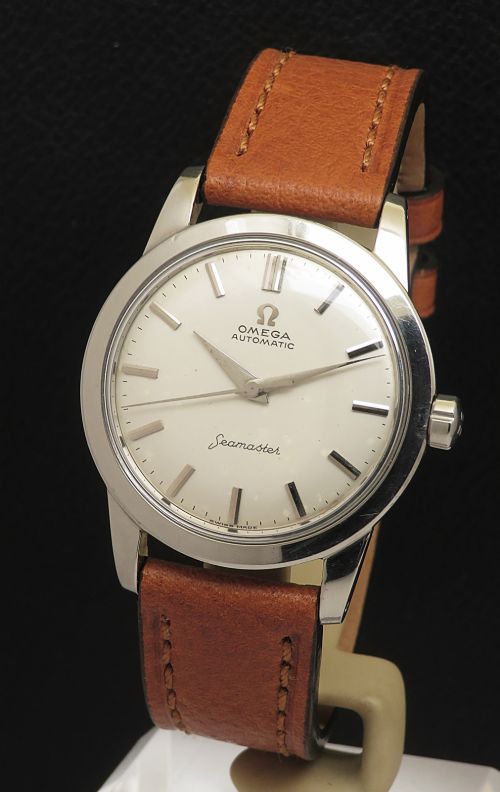
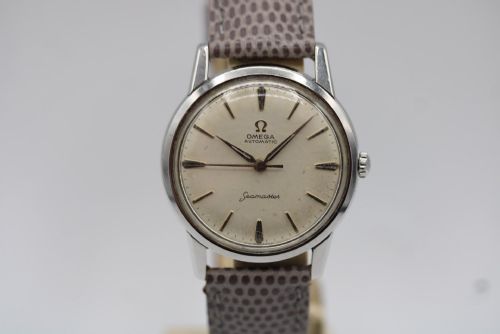
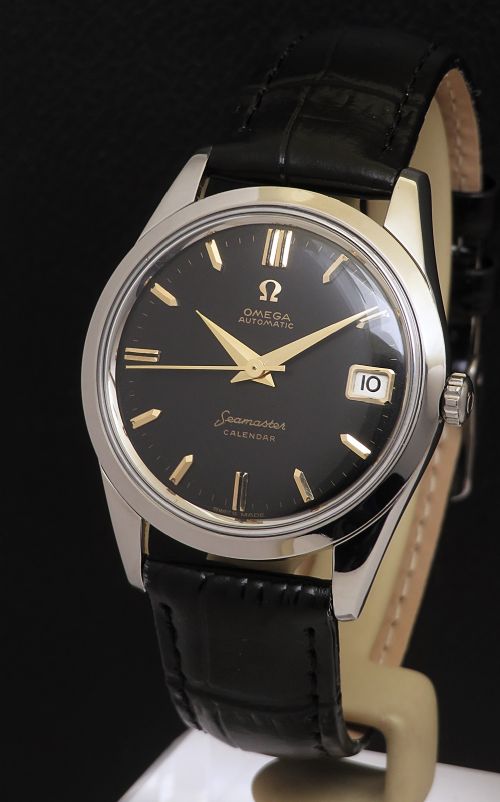
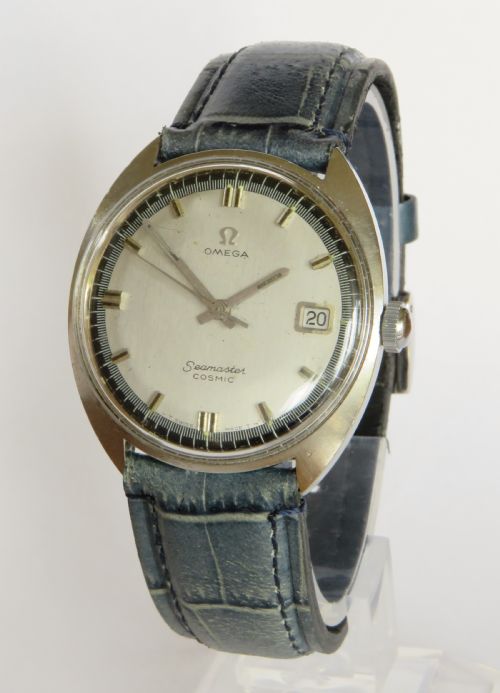
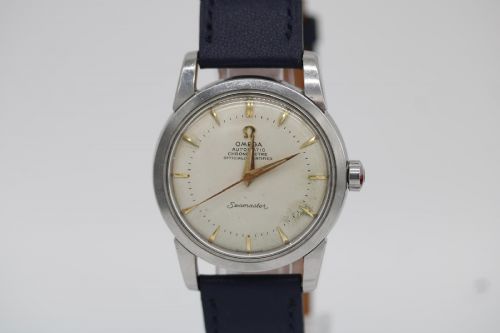
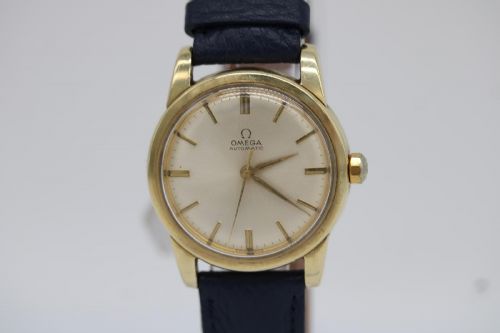
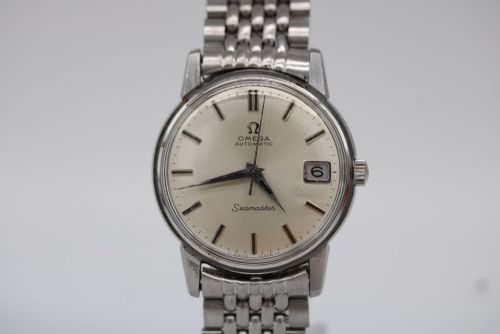
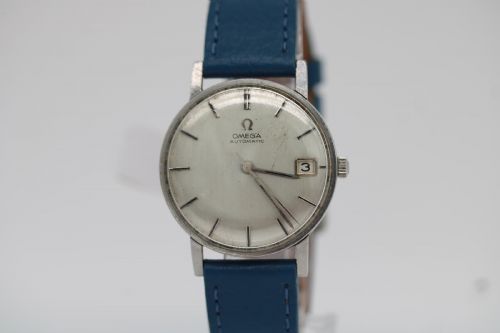
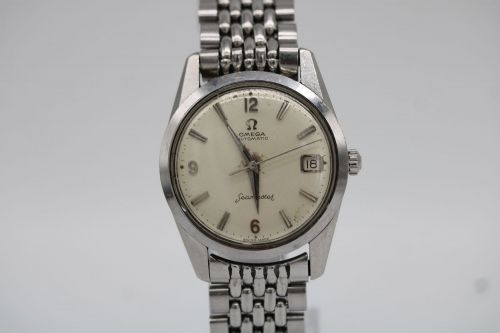
A seamaster automatic watch represents a cornerstone of mid-century horology, spanning the 1950s and 1960s with distinct mechanical movements. These pieces range from standard time-only wristwatches to models featuring date windows and chronometer certification.
The version most commonly encountered on this page is the mid-century steel or gold-plated wristwatch measuring between thirty-four and thirty-five millimetres. These wristwatches frequently display specific reference numbers and calibres such as the calibre five hundred and fifty-two or calibre five hundred and sixty-two.
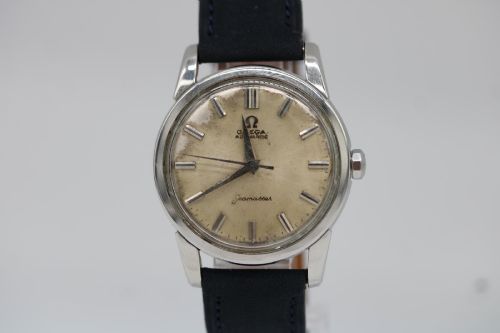
Originating from a period of significant design evolution, these wristwatches incorporate styles typical of mid-century modern craftsmanship. Buyers find variants with specialised dials, including honeycomb patterns and patinated surfaces.
How they were made
Casings utilise stainless steel, gold plate, and heavy solid nine-carat yellow gold, paired with protective acrylic glass or acrylic crystals over the dial. Leather straps frequently complement the metal cases to complete the assembly.
Movements rely on automatic winding mechanisms, including early bumper movements alongside later rotor-driven calibres. This internal architecture provides the self-winding capability characteristic of these mid-century timepieces.
Seamaster Automatic Watch Retail Price Guide 2026
Typical asking prices for seamaster automatic watch among the pieces listed under this phrase on Sellingantiques today, from the lower quarter to the upper quarter. They describe what is for sale here now, not the wider market.
Early bumper movements gently tap the wrist, letting the wearer feel the watch wind itself with every gesture.
What varies in quality
The degree of original preservation distinguishes different examples, with untouched and unrestored pieces offering a different appeal compared to fully restored specimens. Factory originality in components such as dials and crowns influences the overall standing of a wristwatch.
Material selection creates a clear tier in the range, moving from stainless steel and gold-plated versions up to heavy solid nine-carat gold models accompanied by box and papers. The inclusion of original documentation and specialised packaging marks the upper echelon.
Omega
The Seamaster Automatic Watch Glossary
- Calibre
- The specific internal mechanical movement manufactured for a wristwatch. This term identifies the exact design and series of the mechanism housed inside the case.
- Bumper
- An early automatic winding mechanism where the rotor swings back and forth within a restricted arc rather than rotating fully. Collectors feel a gentle tap on the wrist as the weight strikes internal springs.
- Chronometer
- A high-precision wristwatch that has successfully passed rigorous accuracy tests conducted by an official rating organisation. These movements are adjusted for various temperatures and positions.
- Honeycomb dial
- A textured dial face featuring a raised grid pattern resembling a bee hive. This decorative surface creates subtle light reflection across the watch face.
- Acrylic glass
- A lightweight, shatter-resistant form of transparent plastic utilised for crystals during the mid-century period. It can be polished to remove minor surface scratches.
Seamaster Automatic Watch: Frequently Asked Questions
How do I wind an automatic watch?
An automatic watch winds itself autonomously using the natural motion of the wearer's wrist throughout the day. The internal rotor pivots with movement to tension the mainspring.
When a piece has rested for days and stopped, give the crown a few manual rotations to jumpstart the mechanism before wearing it.
What size are vintage watches?
Most mid-century wristwatches measure between thirty-four and thirty-five millimetres in case diameter. These dimensions reflect the standard proportions favoured during the nineteen-fifties and nineteen-sixties.
Despite measuring smaller than contemporary timepieces, the slim bezel design allows these watches to wear with a strong presence on the wrist.
How do I identify the production year?
Determining the production year typically involves cross-referencing the movement serial number with established manufacturing records. Specific reference numbers stamped inside the case back also help pinpoint the era.
Some examples include original paperwork that records the exact date of initial purchase.
Can I wear my vintage watch daily?
Daily wear is suitable for well-maintained mechanical wristwatches that have undergone recent servicing by a professional watchmaker. Regular use keeps the internal oils distributed properly across the moving parts.
Vintage models generally lack modern water resistance ratings, meaning caution is required around moisture and heavy impacts.